How Many Owners Is Too Many for a Used Car? What Buyers Should Know
How Many Owners Is Too Many for a Used Car? What Buyers Should Know
A vehicle history report can reveal accidents, title changes, mileage records, and the number of people who previously owned a car. That owner count often raises an immediate question: how many owners is too many for a used car?
No fixed number automatically makes a vehicle a poor purchase. A one-owner car may have been neglected, while a car with several previous owners may have received regular maintenance throughout its life. The number matters most when it is considered alongside the vehicle’s age, mileage, service history, title status, condition, and reason for each ownership change.
Six previous owners may seem excessive on a relatively new car, especially if the vehicle changed hands several times within a few years. The same number may be less concerning on a 15-year-old vehicle with detailed records and a clean inspection. Buyers should focus on whether the ownership timeline makes sense and whether the documentation supports the seller’s description.
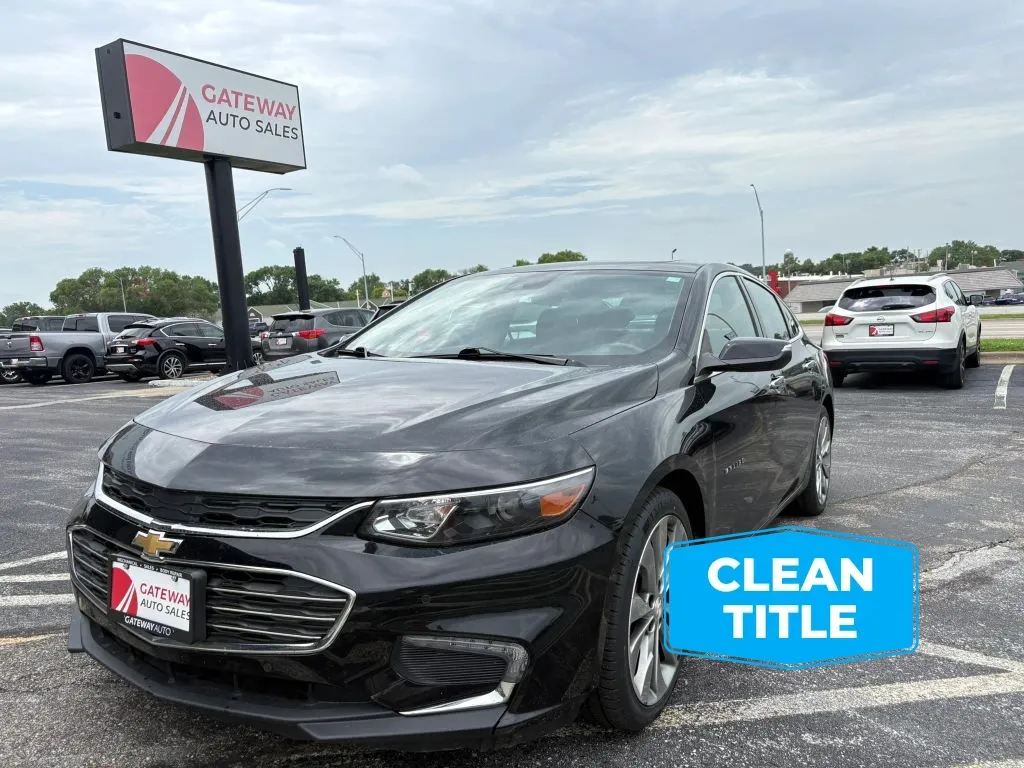
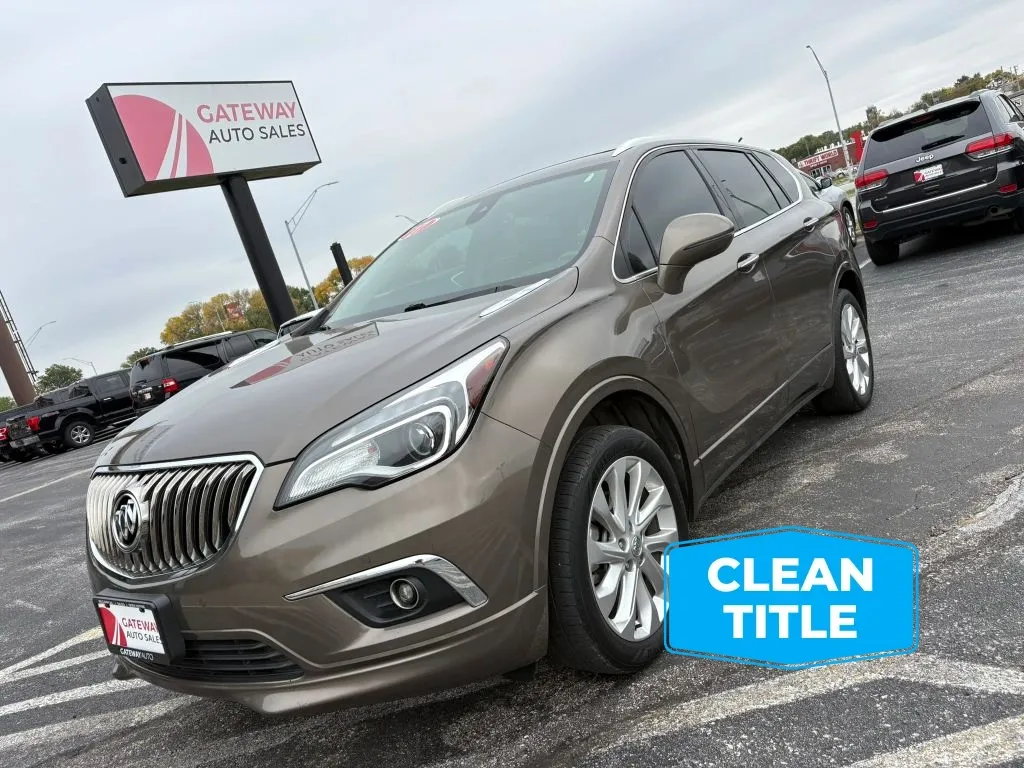
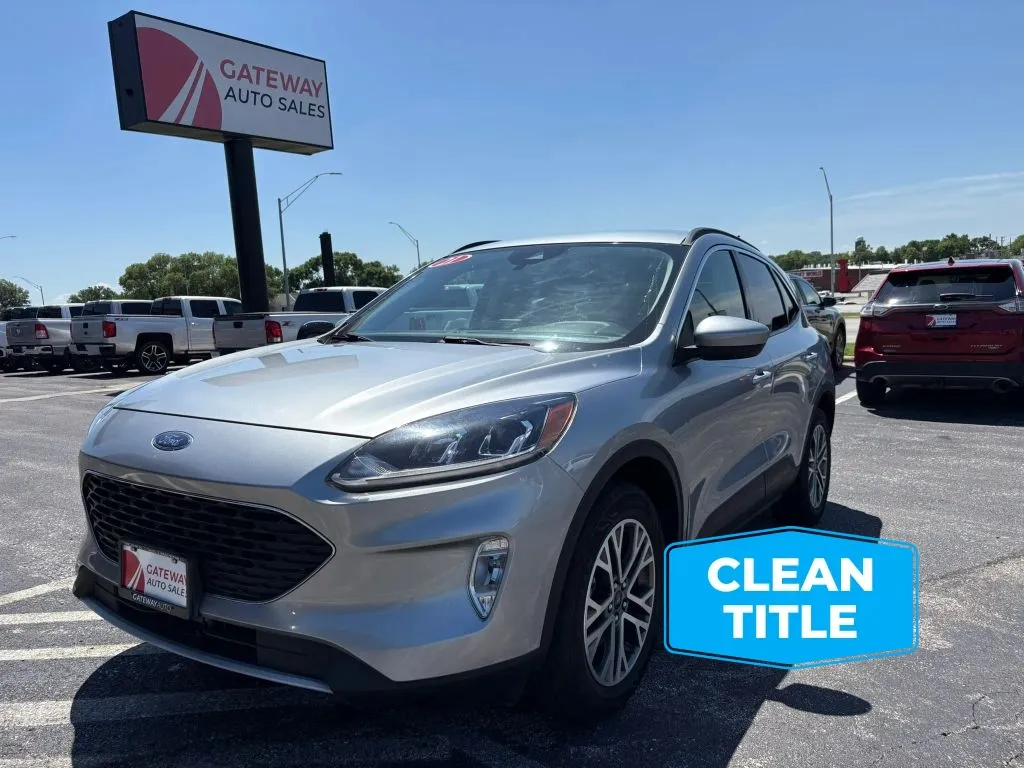
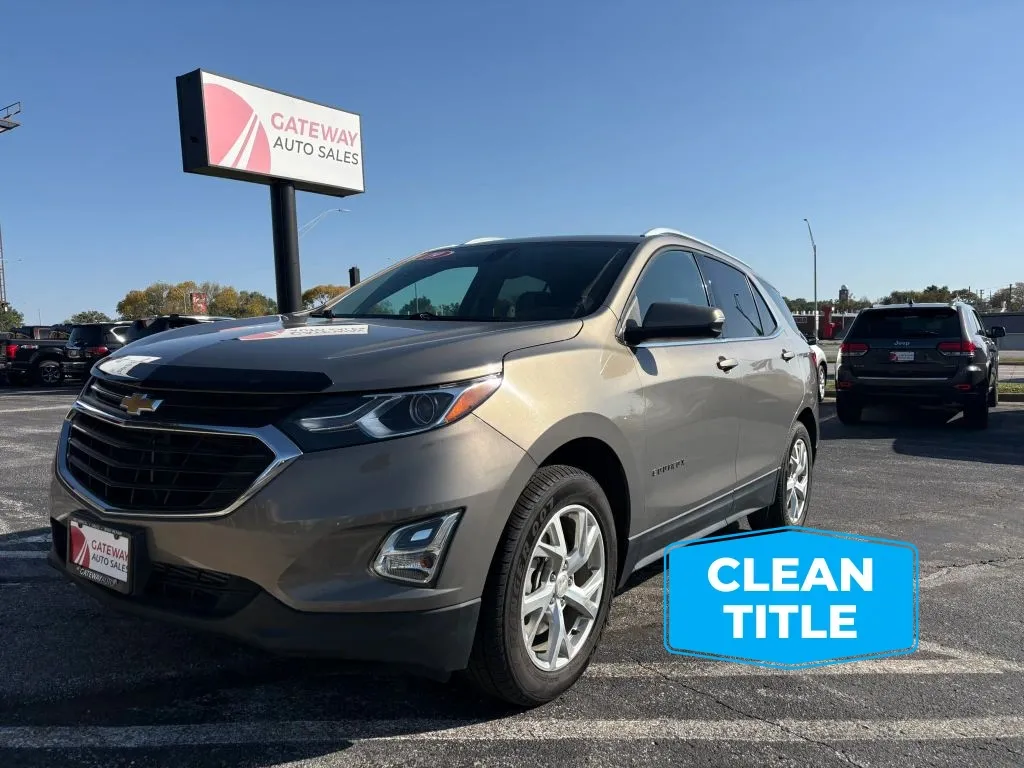
Gateway Auto Sales helps Omaha-area shoppers review clean-title used vehicles in a relaxed setting. Buyers can compare vehicle histories, ask questions about available records, arrange financing, and consider mechanical or collision support through the Gateway Auto family.
Why Previous Owners Matter When Buying a Used Car

Every car owner affects how a vehicle ages. Driving habits, maintenance schedules, storage conditions, climate, and repair decisions can all influence the condition of a used car.
A single owner may have followed every recommended service interval and kept detailed receipts. Another may have delayed oil changes, ignored warning lights, or driven the car under demanding conditions. When a vehicle has had multiple owners, its care may have varied each time it changed hands.
Owner count can provide clues about:
- Whether maintenance was likely consistent
- How often the car was resold
- Whether recurring problems may have influenced previous sales
- How complete the available service records may be
- How future buyers may view the car at resale
More owners do not automatically mean more problems. People sell vehicles for many ordinary reasons, including relocation, changing family needs, new jobs, lease returns, financial changes, or a desire for a different model.
The timing of those ownership changes deserves attention. A car that had three owners over 12 years may have a normal history. A car that had three owners in three years may require closer review. Frequent short ownership periods can suggest dissatisfaction, costly repairs, or another issue that caused owners to move on quickly.
Commercial registrations, dealership transfers, auctions, and lease arrangements can also affect the reported count. A history report may list a change that did not involve a typical retail buyer. Review the entire timeline rather than treating the number alone as proof of a problem.
One-Owner Cars Compared With Multiple-Owner Used Cars
One-owner cars are attractive because their histories are usually easier to follow. There may be one long maintenance record, one primary driving pattern, and fewer gaps between service documents.
That does not make every single-owner vehicle the better choice. A multiple-owner used car with consistent maintenance and a strong inspection may offer better value than a neglected one-owner model.
| Ownership Pattern | What It May Suggest | What Buyers Should Check |
|---|---|---|
| One owner with complete records | Consistent care and a straightforward history | Confirm mileage, maintenance intervals, title status, and current condition |
| One owner with limited records | Care may have occurred without documentation, or maintenance may have been skipped | Request an inspection and look for signs of deferred service |
| Two or three owners over many years | A common ownership pattern for an older vehicle | Compare ownership dates with mileage and service entries |
| Several owners with organized records | The car may still have received regular care | Verify that maintenance continued during each ownership period |
| Several owners in a short time | Possible dissatisfaction, recurring repairs, or rapid resale | Ask why it changed hands and inspect it closely |
| Many owners with missing records | Greater uncertainty about maintenance and prior use | Consider an independent inspection and factor the uncertainty into the price |
One-owner status may support resale value because future buyers often view a simple history favorably. However, condition and documentation still carry greater practical weight. A car with four owners and complete service records may be easier to evaluate than a single-owner car with no records at all.
The POP Content Brief recommends addressing one-owner cars, multiple-owner vehicles, prior owners, service records, vehicle history, and resale considerations because these topics match the questions buyers commonly ask.
When More Owners Become a Reason for Concern
There is no universal cutoff, but the number of owners becomes more concerning when it appears alongside other warning signs.
For example, six previous owners on a two-year-old car would be unusual. Six owners on an 18-year-old car may reflect a much more ordinary pattern. Vehicle age provides context, so calculate how long each person appears to have kept the car.
A high owner count deserves closer attention when you find:
- Several ownership periods lasting only a few months
- Long gaps in the service history
- Repeated listings at an auto auction
- Mileage entries that do not progress logically
- Accident reports followed quickly by a sale
- Unresolved recalls or warning lights
- Evidence of major repairs without supporting receipts
- Title changes involving salvage, flood, or rebuilt status
- Significant wear that does not match the reported mileage
- Different explanations from the seller and the history report
A short ownership period does not always signal trouble. Dealers may temporarily hold title to inventory, and a buyer may sell soon after purchasing because of a move, job loss, family change, or unexpected financial pressure. Still, repeated short periods should lead to additional questions.
Eight previous owners may make some shoppers uncomfortable, particularly when the history is unclear. The car may also be harder to resell because another buyer could have the same hesitation. That effect should be considered when comparing the asking price with similar vehicles that have fewer owners.
The condition of the car should remain the deciding factor. Look beyond cosmetic appearance. Fresh detailing can improve how a vehicle looks, but it does not reveal engine wear, fluid leaks, suspension problems, electrical issues, or overdue maintenance.
How to Review a Car’s Ownership and Service History
Begin with a vehicle history report. It can help identify reported title events, ownership changes, mileage entries, accident records, registration locations, and possible auction activity.
A report is useful, but it may not contain every repair or incident. Some maintenance shops and private repairs do not report information to history databases. Buyers should combine the report with service documents, a physical inspection, and direct questions.
Use the following checklist when evaluating a car with several previous owners:
- Confirm the title status. Make sure the title information matches what the seller has disclosed. Look for salvage, flood, rebuilt, or other title brands.
- Compare ownership dates. Determine how long each owner kept the vehicle. Several short periods may require an explanation.
- Review mileage records. Mileage should increase consistently over time. Sudden decreases or unexplained gaps deserve attention.
- Look for regular maintenance. Oil changes, tire service, brake work, fluid replacement, and scheduled maintenance help show how the vehicle was treated.
- Check for major repairs. Ask about engine, transmission, cooling system, suspension, electrical, and collision work.
- Match records to the vehicle. Confirm that receipts and service documents show the correct vehicle identification number.
- Inspect current condition. Check tires, brakes, lights, fluids, interior wear, body panels, and visible components under the hood.
- Take a meaningful test drive. Drive at different speeds and pay attention to braking, steering, shifting, vibration, noise, and warning lights.
- Consider an independent inspection. A qualified mechanic may identify concerns that are not shown in the history report.
- Compare the price with the risk. A lower price may be reasonable when ownership records are incomplete, but the potential repair costs should still fit your budget.
Ask the dealer or seller direct questions before making a decision:
- Why did the most recent owner sell the car?
- Are maintenance records available?
- Has the vehicle been inspected or reconditioned?
- Were any mechanical or collision repairs completed recently?
- Are there known issues that have not been repaired?
- Does the current mileage match the history records?
- Can I arrange a pre-purchase inspection?
- Are any warranties or service contracts available?
A transparent dealer should be willing to discuss what is known and clarify what is not documented. Avoid assuming that missing information is positive. Treat unknown history as uncertainty and evaluate the price accordingly.
Buy With Clear Information at Gateway Auto Sales
Owner count should start a conversation, not end your consideration of a vehicle. A car with several previous owners may still be a sound purchase when its title is clear, its mileage makes sense, its maintenance is documented, and its current condition is strong.
Gateway Auto Sales helps drivers in Omaha and surrounding communities compare available used cars without relying on owner count alone. The team can help you review vehicle information, consider financing options, value a trade, and arrange a test drive in a low-pressure environment.
Before buying, take time to review the history report, ask about available service records, inspect the car carefully, and compare it with similar models. When the documentation, condition, and price support one another, a multiple-owner vehicle can still provide dependable transportation and worthwhile value.
Browse the current inventory at Gateway Auto Sales or contact the team to discuss a vehicle that interests you. Bring your questions, review the available history, and choose a car that fits both your driving needs and your budget.