How Old Should a Used Car Be When Buying?
How Old Should a Used Car Be When Buying?
The age of a used vehicle can affect its price, available features, reliability, insurance costs, and future maintenance needs. For many shoppers, the challenge is finding a model that has already passed through its fastest period of depreciation without choosing something so old that repairs become difficult to predict.
So, how old should a used car be when buying? For many drivers, a vehicle that is approximately three to seven years old offers a practical balance of affordability, updated technology, and remaining service life. However, there is no single age that works for every buyer. A well-maintained ten-year-old model may be a better purchase than a neglected car that is only three years old.
Your decision should account for the car’s mileage, service records, title status, current condition, safety equipment, and expected ownership costs. How you intend to use the vehicle matters as well. A commuter traveling thousands of miles each year may have different priorities than a first-time buyer who drives mainly around Omaha.
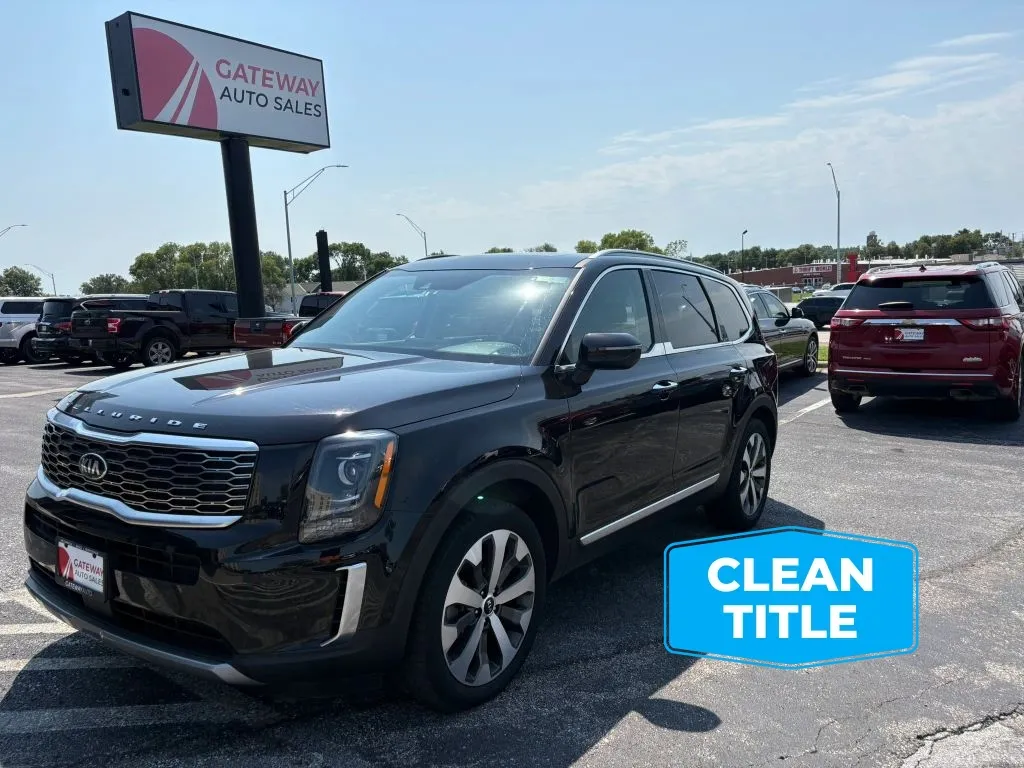
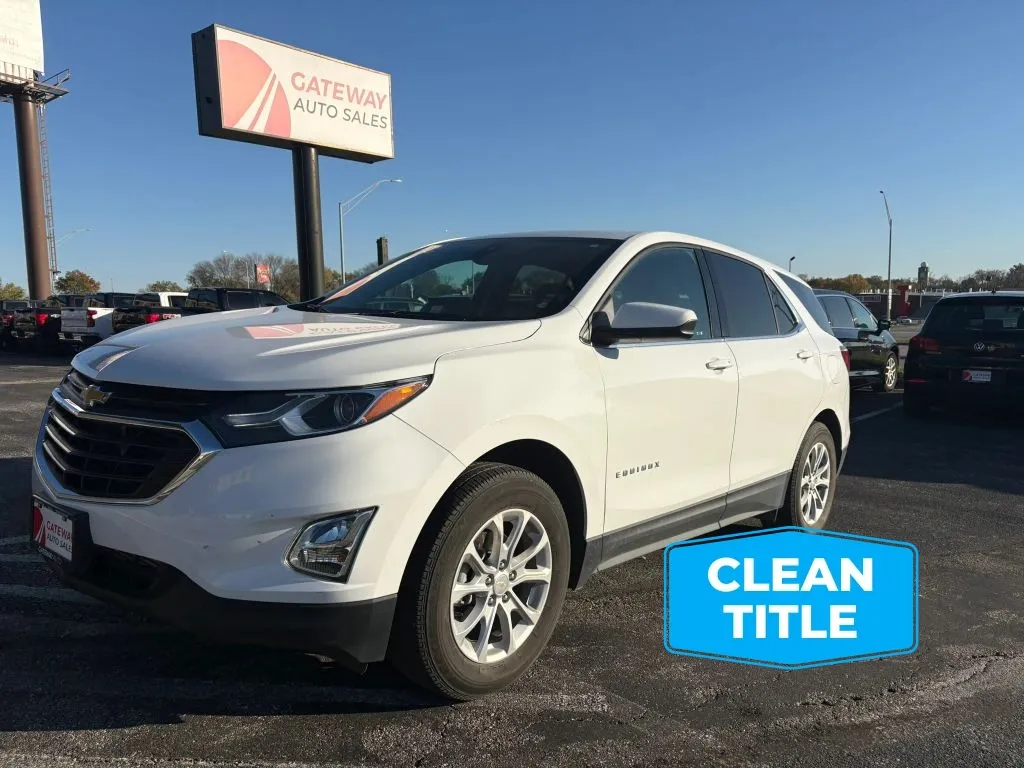
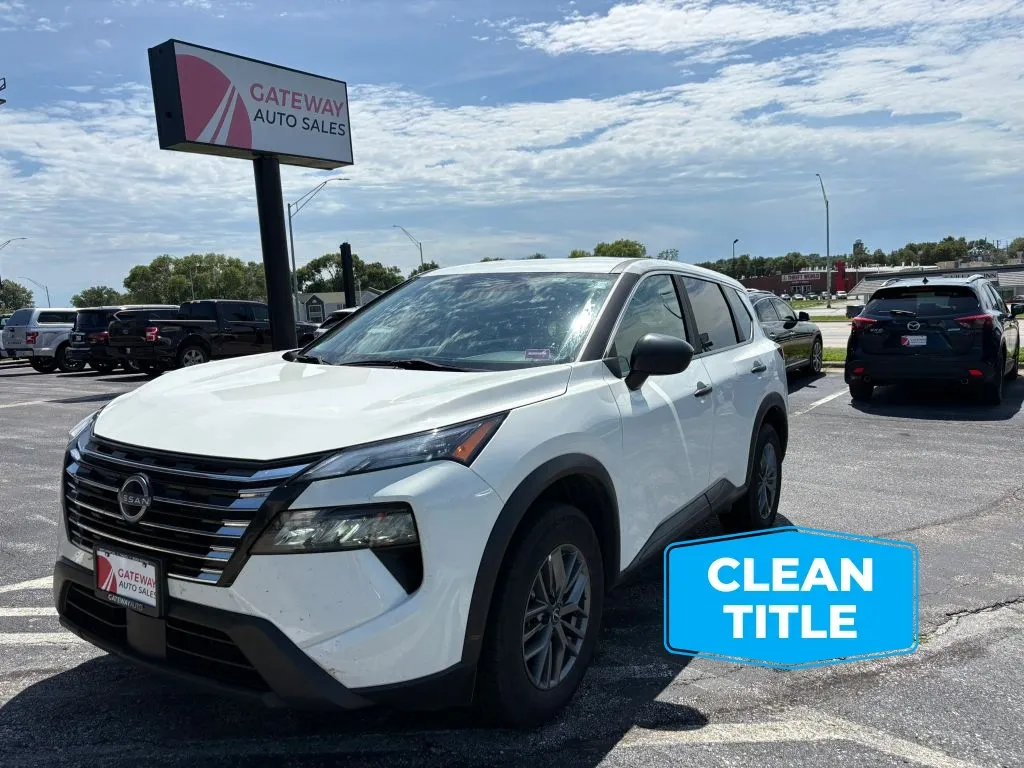
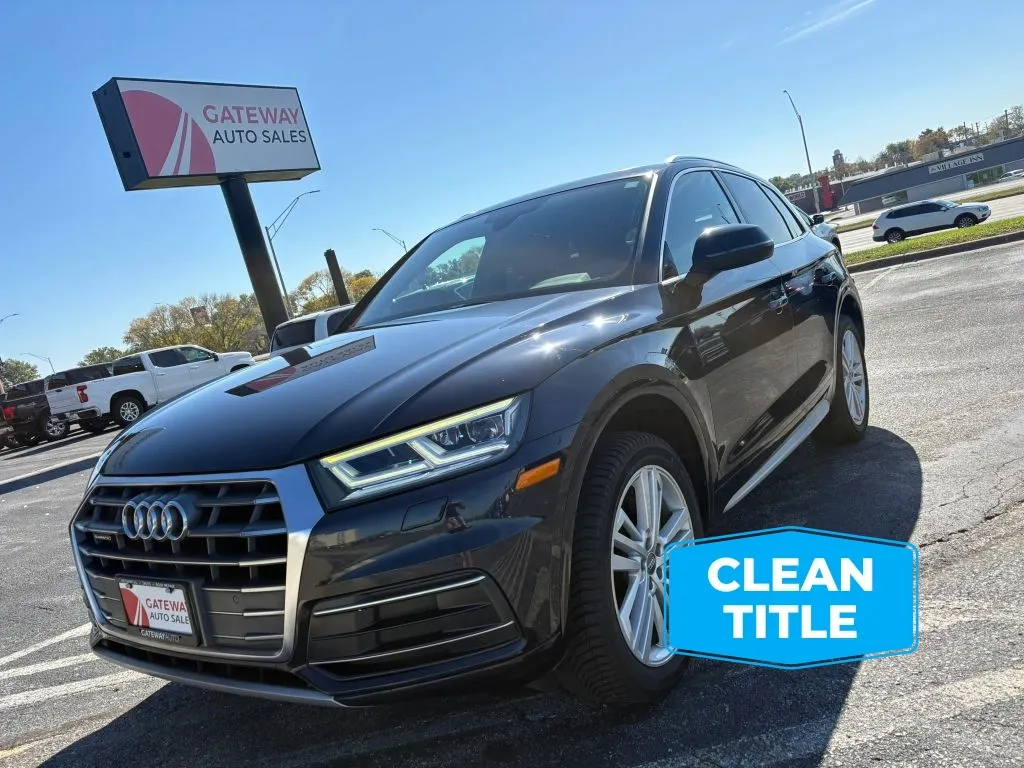
Auto Sales helps local drivers compare clean-title pre-owned vehicles by age, mileage, features, condition, and price. The goal is to help shoppers understand what they are considering before scheduling a test drive or moving forward with a purchase.
How Car Age Affects Price, Depreciation, and Value

A new vehicle begins losing value shortly after it is purchased. Depreciation is often fastest during the first few years, which is one reason many shoppers consider a used car instead of buying new.
By choosing a vehicle that is three to five years old, you may avoid much of the initial drop in value while still receiving relatively recent safety systems, comfort features, and technology. Models in this range may also have lower purchase prices and insurance costs than comparable new vehicles.
Age is only one part of value, however. Used-car prices are also influenced by:
- Make, model, and trim level
- Mileage and mechanical condition
- Accident and title history
- Local demand
- Service documentation
- Tire and brake condition
- Available technology and safety equipment
- Number of previous owners
A five-year-old vehicle in good condition with regular service records may command a higher price than a newer model with excessive mileage or a questionable history. Paying slightly more for stronger documentation and better condition may reduce the risk of costly maintenance shortly after purchase.
Older cars often have lower asking prices, but a low price does not always mean the lowest ownership cost. A ten-year-old model may soon need tires, suspension parts, belts, hoses, fluid service, or other age-related work. These expenses should be considered before deciding whether the purchase fits your budget.
The following ranges provide a general comparison:
| Vehicle Age | Common Advantages | Points to Review |
|---|---|---|
| 1 to 2 years | Recent technology, low age-related wear, possible remaining warranty | Higher price and continued depreciation |
| 3 to 5 years | Lower price than new, modern features, often a favorable value range | Mileage, prior use, warranty status, and service records |
| 6 to 9 years | Greater affordability and a wider selection within modest budgets | Major service intervals, tires, brakes, battery, and suspension |
| 10 years or older | Lower purchase price and potentially lower insurance costs | Repair frequency, parts condition, rust, safety technology, and resale demand |
These are not strict rules. Vehicle age should help organize your search, not determine the decision by itself.
Should You Choose a Newer Car or an Older Car?
A newer car may appeal to drivers who want current safety technology, smartphone integration, better fuel economy, and fewer immediate age-related repairs. Features such as automatic emergency braking, blind-spot monitoring, backup cameras, adaptive cruise control, and lane assistance have become increasingly common in recent model years.
Those benefits usually come with a higher price. Newer models may also cost more to insure because replacement parts, sensors, cameras, and body repairs can be expensive. Shoppers should compare the insurance cost before committing to a particular model.
An older car may offer a lower purchase price and a simpler ownership experience, especially if it uses widely available parts and does not rely heavily on complex electronics. It may be a reasonable option for a driver who has a limited budget, drives fewer miles, or can set aside money for maintenance.
However, older does not always mean cheaper over time. Maintenance costs can rise as components reach the later stages of their service life. Even a reliable model may eventually need repairs involving the cooling system, suspension, air conditioning, electrical equipment, seals, or engine accessories.
When deciding between newer and older vehicles, consider:
- How long you plan to keep it. A buyer who expects to own a car for eight years may benefit from starting with a newer model.
- How much you drive. Frequent commuters may place greater weight on fuel economy, reliability, and remaining service life.
- Which safety features you need. Families and inexperienced drivers may prefer a model year with newer driver-assistance equipment.
- How much repair risk you can accept. An older vehicle may work well if your budget includes funds for maintenance and unexpected repairs.
- Whether the price reflects the condition. A low asking price should leave enough financial room to address worn parts or overdue service.
For many buyers, three to seven years old represents a useful starting point. Those vehicles have often experienced meaningful depreciation but may still include the features and reliability needed for daily use. A model that is approximately five years old can be especially appealing when it has a clean title, reasonable mileage, and a documented maintenance history.
Is Mileage or Car Age More Important?
Age and mileage should be evaluated together. Neither number tells the full story independently.
Many vehicles accumulate roughly 12,000 to 15,000 miles per year, although individual driving patterns vary widely. A five-year-old car with 60,000 miles may have experienced fairly typical use. A vehicle of the same age with 120,000 miles has likely been driven much more heavily.
High mileage is not always a reason to reject a car. Highway miles can place less strain on brakes, steering, and transmissions than repeated short trips in stop-and-go traffic. A higher-mileage vehicle with consistent service may provide better value than a low-mileage model that sat unused for long periods or received little maintenance.
Low mileage also requires context. A ten-year-old car with only 25,000 miles may seem attractive, but extended inactivity can affect:
- Batteries
- Tires
- Brake components
- Rubber seals and hoses
- Fluids
- Air-conditioning systems
- Fuel-system components
Ask how the vehicle was used and stored. A low-mileage car driven regularly for short trips may have a different condition from one stored indoors and serviced on schedule.
Mileage should also be compared with the model’s major maintenance intervals. Some vehicles require substantial service at specific mileage points. A car approaching one of those intervals may need additional work soon after purchase, even when it currently drives well.
Review the odometer alongside the model year, history report, and service receipts. Mileage entries should increase logically over time. Large gaps or inconsistent readings deserve further investigation.
The best option is not always the newest vehicle with the fewest miles. It is the one whose age, use, maintenance, and condition support the asking price and your plans.
How a History Report and Inspection Help You Buy Wisely
A history report can reveal important details that are not obvious during a walkaround. It may include reported accidents, title changes, odometer readings, previous registrations, ownership transfers, service entries, and whether the vehicle was used as a rental, lease, or fleet unit.
Review the report for patterns rather than focusing on a single entry. A minor reported accident followed by professional repairs may be less concerning than unexplained mileage changes or ownership transfers. An older car with an organized service history may present less uncertainty than a newer model with few records.
Pay attention to:
- Clean, salvage, rebuilt, flood, or branded title status
- Reported collisions and available repair information
- Consistent odometer readings
- Number and length of ownership periods
- Registration in regions where flooding or corrosion may be relevant
- Documented oil changes and scheduled service
- Open recalls or unresolved safety concerns
A clean title does not confirm that a vehicle has never been damaged. It means the title does not currently carry a brand such as salvage or rebuilt. Physical condition and available repair records still need to be reviewed.
A test drive and inspection add information that a report cannot provide. During the test drive, notice how the vehicle starts, accelerates, shifts, steers, brakes, and handles uneven roads. Listen for rattles, grinding, clicking, or humming. Confirm that warning lights turn off after startup and that the climate controls, windows, locks, lights, cameras, and infotainment system operate correctly.
Inspect the vehicle in daylight when possible. Look for uneven panel gaps, paint differences, fluid leaks, tire wear, rust, damaged glass, and excessive interior wear. The condition should reasonably match the age and reported mileage.
A pre-purchase inspection by a qualified mechanic can be particularly valuable when considering an older car, a high-mileage vehicle, or a model without complete service records. The inspection may identify worn components and help you estimate repair costs before buying.
Gateway Auto Sales’ original draft emphasizes reviewing accident records, maintenance entries, ownership history, odometer readings, and title status when judging the condition of a pre-owned car.
Finding the Right Vehicle Age for Your Budget and Lifestyle
The ideal vehicle age depends on what you need the car to do and how much financial flexibility you have after the purchase.
A first-time buyer may prefer a moderately priced model that is five to eight years old, especially if the vehicle has a strong reliability record and manageable insurance costs. Choosing a simpler trim may provide better condition or lower mileage within the same budget.
A family may prioritize recent safety equipment, passenger space, and dependable daily transportation. A three-to-six-year-old SUV, sedan, or minivan may provide modern features without the price of a current-year model.
A long-distance commuter may focus on fuel efficiency, seating comfort, maintenance history, and remaining service life. Paying more for a newer model with lower mileage may make sense when the car will accumulate miles quickly.
A buyer who drives occasionally may find an older vehicle suitable, provided its condition is strong and there is enough money available for maintenance.
Before shopping, set a budget that includes the full cost of ownership:
- Purchase price and applicable taxes
- Registration
- Insurance
- Fuel
- Routine maintenance
- Tires and brakes
- Expected repairs
- Financing costs, when applicable
Avoid using the entire budget for the purchase itself. Keeping money available for maintenance, insurance deductibles, or unexpected repairs can make ownership easier.
Vehicle reliability also varies by make, model, engine, transmission, and production year. Do not assume every model from a respected brand will perform the same way. Research the specific configuration you are considering and ask whether common issues have already been addressed.
When comparing two cars, review their complete financial and mechanical pictures. A seven-year-old model with thorough service records and recently replaced tires may be a better value than a four-year-old alternative that needs immediate maintenance.
Find a Used Car That Fits Your Plans at Gateway Auto Sales
There is no exact car age that makes a used vehicle right for every shopper. For many people, models between three and seven years old provide a strong balance of price, features, reliability, and slower depreciation. That range can be a good start, but an older car may still offer better value when it has been carefully maintained and priced according to its condition.
Before you buy, compare the vehicle’s age with its mileage, car history, current condition, service needs, and expected ownership costs. Review available records, take a thorough test drive, and ask direct questions about past maintenance and repairs.
Gateway Auto Sales helps Omaha-area drivers compare clean-title cars, trucks, SUVs, and vans in a low-pressure setting. Shoppers can review available vehicle information, consider financing options, value a trade, and access mechanical or collision support through the connected Gateway Auto family.
Browse the current inventory to compare model years, prices, mileage, and features. When a vehicle fits your needs, contact Gateway Auto Sales to confirm availability and arrange a test drive. Careful research can help you buy a pre-owned car that fits your budget now and remains practical for the years ahead.