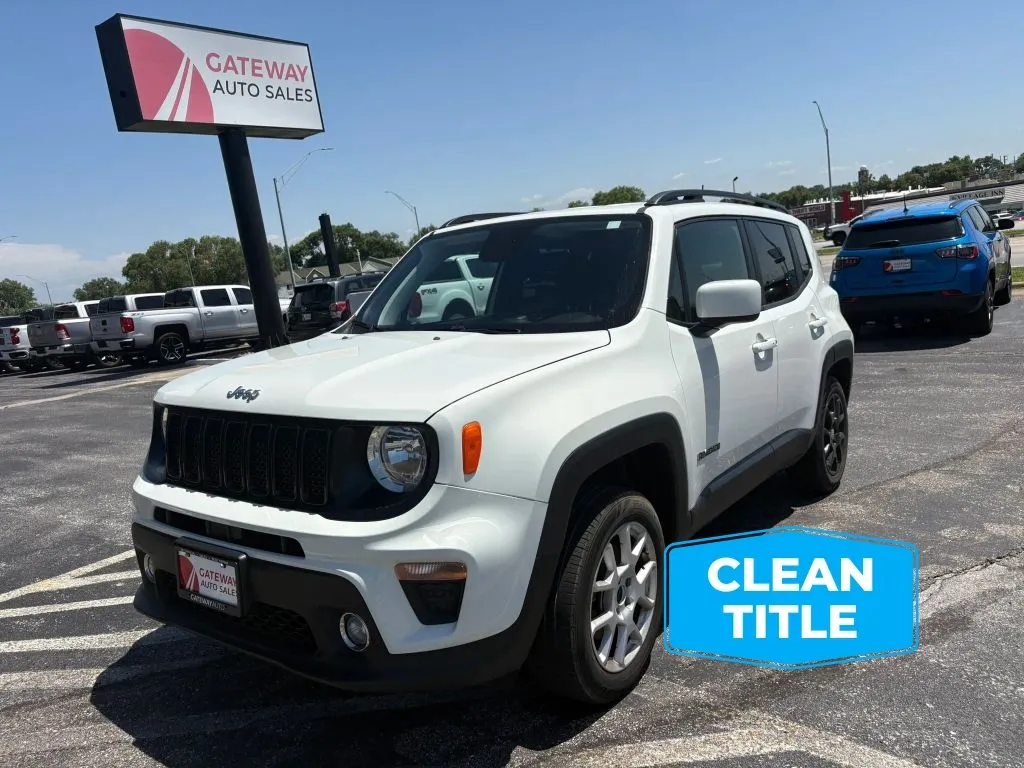
Omaha Vehicle History Report Guide for Used Car Buyers

Before buying a used car, it’s essential to have all the facts. A vehicle history report gives Omaha buyers a clear picture of a car’s past—covering previous owners, accident history, title issues, and maintenance records. This valuable report can reveal warning signs like odometer rollbacks, major repairs, or prior collisions, helping you make a confident and informed purchase.
In this guide, we’ll explore why vehicle history reports matter, where to get them, and what key details to In this guide, we’ll explain why a vehicle history report is essential, where to find one, and what to check before finalizing your purchase. Whether you’re a first-time buyer or a seasoned shopper, this information will help you confidently navigate the used car market in Omaha. Keep reading to learn how to avoid hidden issues and make a smart choice when buying from local dealerships.
What is a Vehicle History Report and Why Do You Need It When Buying a Used Car?
Understanding the Basics of a Vehicle History Report
A vehicle history report is a comprehensive document that encapsulates the life of a used car. It is essential for potential buyers, as it reveals critical information about the car’s past, including ownership history, accident history, and service records. To obtain this report, car buyers typically use the vehicle identification number (VIN), a unique code assigned to every vehicle.
This report may include details from various sources, such as the National Motor Vehicle Title Information System, which helps ensure that the information provided is accurate and reliable.
How a Vehicle History Report Affects Your Car Buying Decision
For those engaged in car shopping, a vehicle history report significantly influences the decision-making process. It can alert potential buyers to red flags that may indicate a vehicle’s hidden problems. For instance, if the report indicates multiple accidents or a salvage title, it could suggest that the vehicle may have underlying issues that could compromise safety or performance. In contrast, a clean vehicle history report provides reassurance, helping buyers feel confident in their purchase. Ultimately, the insights gained from this report are invaluable for making an informed decision when buying a used car.
Key Information Included in a Vehicle History Report
A comprehensive vehicle history report provides an array of information crucial for assessing the condition of a used vehicle. Key details include the car’s accident history, which highlights any past collisions and their severity. Additionally, the report will typically outline the odometer readings over time, allowing buyers to spot any discrepancies in mileage that may suggest tampering. Furthermore, service history documents maintenance records from authorized repair shops, giving insight into how well the vehicle has been cared for. This wealth of information empowers buyers to choose a vehicle that aligns with their expectations and needs.
How to Get a Vehicle History Report for Your Used Car?
Where to Obtain a Comprehensive Vehicle History Report
Obtaining a comprehensive vehicle history report is relatively straightforward. Car buyers can access these reports through various online platforms, including reputable services like Carfax and AutoCheck. These platforms offer detailed insights into a vehicle’s history, allowing users to make informed decisions. To get a vehicle history report, simply enter the vehicle’s VIN on the chosen platform, and the report will generate instantly, providing a snapshot of the car’s past.
Are There Free Vehicle History Report Options Available?
While many detailed vehicle history reports come at a cost, there are also options available for those seeking a vehicle history report for free. Some dealerships may offer complimentary reports for their used vehicles, and certain online resources provide basic information without charge. However, it is essential to note that these free vehicle history reports aren’t as comprehensive as the paid versions. They may lack critical details that could affect the overall assessment of the vehicle’s condition.
Using VIN to Access Your Vehicle History Report
The vehicle identification number (VIN) is a vital element when accessing a vehicle history report. This unique identifier allows buyers to track down a used car’s complete history, including previous owners, accident records, and service history. By entering the VIN into the
designated fields on vehicle history report platforms, buyers can ensure they are reviewing the correct information tailored to the specific vehicle they are considering purchasing. This step is crucial, as it eliminates any ambiguity and ensures that the buyer is well-informed about the vehicle they are interested in.
What Key Details Should You Look for in a Vehicle History Report?
Evaluating Accident History and Its Impact on Vehicle Safety
One of the most critical aspects of a vehicle history report is the accident history. Evaluating this section is vital for assessing the overall safety of the used vehicle. A history report may indicate whether the car has been involved in minor fender benders or more severe collisions. Understanding the nature of these accidents, including whether they resulted in significant structural damage, can provide insight into potential future issues. Safety should always be a priority for car buyers, making it essential to thoroughly evaluate this crucial information before making a purchase.
Understanding Odometer Readings and Mileage Discrepancies
Another vital detail to scrutinize in a vehicle history report is the odometer readings. Discrepancies in mileage can indicate potential odometer tampering, which is a practice that could lead to significant financial loss for buyers. A consistent increase in odometer readings, coupled with documented service history, is a positive sign of the vehicle’s maintenance. Therefore, buyers should carefully examine the mileage history to ensure that it aligns with the expected wear and tear of the vehicle. This diligence can prevent costly mistakes when buying a used car.
Importance of Service History and Maintenance Records
The service history of a vehicle is a crucial component of the vehicle’s history report. This section provides insights into how well the vehicle has been maintained over the years. Regular service records from authorized repair shops indicate that the previous owner took the time to care for the car properly. Comprehensive maintenance records can reveal whether routine checks, oil changes, and repairs were performed as recommended. For buyers, this information is essential in assessing the vehicle’s reliability and longevity, ensuring they make a sound investment.
How to Interpret the Ownership History in a Vehicle History Report?
What Does the Number of Previous Owners Indicate?
The number of previous owners listed in a vehicle history report can significantly influence a buyer’s decision. Generally speaking, a vehicle with fewer previous owners may indicate better
care and maintenance, as it suggests stability in ownership. Conversely, if a vehicle has had many owners in a short period, it could signal potential issues that led to the frequent change of ownership. Buyers should consider this information carefully, as it may correlate with the overall condition and reliability of the vehicle.
Identifying Red Flags in Ownership History
In addition to the number of previous owners, buyers should look for red flags in the ownership history section of the vehicle history report. Such red flags may include frequent title changes, indications of a salvage title, or ownership transfer patterns that suggest the vehicle was passed on due to problems. Recognizing these warning signs is crucial for buyers, as they can help avoid vehicles that may pose future challenges or financial burdens.
Understanding the Significance of Salvage Titles
Salvage titles are a significant aspect of vehicle ownership history and must be interpreted with caution. A vehicle with a salvage title typically means that the car was deemed a total loss by an insurance company due to severe damage. While such vehicles may be available at a lower price, they often come with hidden complications that could impact safety and performance. Buyers must understand the implications of purchasing a vehicle with a salvage title and weigh the potential risks against the cost savings.
How Can Dealerships Help You in the Vehicle History Report Process?
What to Expect from Dealerships Regarding Vehicle History Reports?
When buying a used vehicle from car dealerships, it is essential to know what to expect concerning vehicle history reports. Reputable dealerships often provide vehicle history reports for their inventory, allowing buyers to review the information before making a purchase decision. These reports are generally based on the VIN and may include details from services like Carfax or AutoCheck. Buyers should feel empowered to request this information, as it serves as a valuable resource in assessing the vehicle’s past.
How to Approach Dealerships for Transparency in Vehicle History?
Approaching dealerships for transparency regarding vehicle history is a crucial step in the car buying process. Buyers should feel comfortable asking for documentation related to the vehicle’s history report and any other relevant information. A reputable dealership will be willing to provide this documentation and answer any questions the buyer may have. Establishing open communication with the dealership can lead to a more positive buying experience, ensuring that buyers are fully informed before making a commitment.
Choosing the Right Dealerships for Car Buying
Choosing the right dealerships is essential for a successful car-buying experience. Buyers should seek out dealerships with a solid reputation for transparency and customer service. Researching online reviews and asking for recommendations can help identify reputable dealerships that prioritize the needs of their customers. Furthermore, dealerships that provide comprehensive vehicle history reports and maintain a clear communication line are more likely to offer a positive car buying experience, allowing buyers to make informed choices.
Conclusion
Buying a used car is a significant investment, and ensuring you’re making a well-informed decision is crucial. A vehicle history report is one of the most valuable tools available, offering insights into a car’s ownership, accident history, mileage accuracy, and service records. By leveraging trusted sources like Carfax and AutoCheck, you can uncover potential red flags and verify the clean title of the vehicle before committing to a purchase.
Whether you’re buying from a dealership or a private seller, always request a free VIN check to confirm the vehicle’s authenticity. At Gateway Auto Sales, conveniently located in Omaha, NE, we prioritize transparency by providing a detailed vehicle history report for every car in our inventory. We believe every buyer deserves peace of mind when making such an important decision. Browse our car listings today or contact us for more information!