Before You Sell Your Car: Documents Needed When Selling a Vehicle in Omaha
Table of Contents
- Start with the Vehicle Title and Seller Identification
- Use a Bill of Sale to Record the Transaction
- Prepare Odometer, As-Is Document, and Damage Disclosure Forms
- Handle the Lien Release before You Sell Your Car
- Bring Registration, Plates, Records, and Payment Details
- Purchase Agreement: Make the Vehicle Sale Easier with Organized Paperwork
Selling a vehicle is much easier when your paperwork is ready before the buyer arrives. A missing title, lien release, or mileage form can slow the process, create confusion, or delay payment. With the right forms in one place, you can move through the sale with less stress and stronger buyer confidence.
For Omaha drivers, the process usually starts with the title certificate, a valid driver’s license or government-issued ID, and a clear record of the sale. Depending on your situation, you may also need an odometer disclosure statement, loan payoff paperwork, service records, registration details, and an as-is agreement.
Gateway Auto Sales helps Omaha-area drivers buy, trade, finance, service, and sell used vehicles with a simple, transparent approach. Whether you plan to sell your car privately or work with a dealer, knowing which paperwork matters can help protect both sides of the transaction.
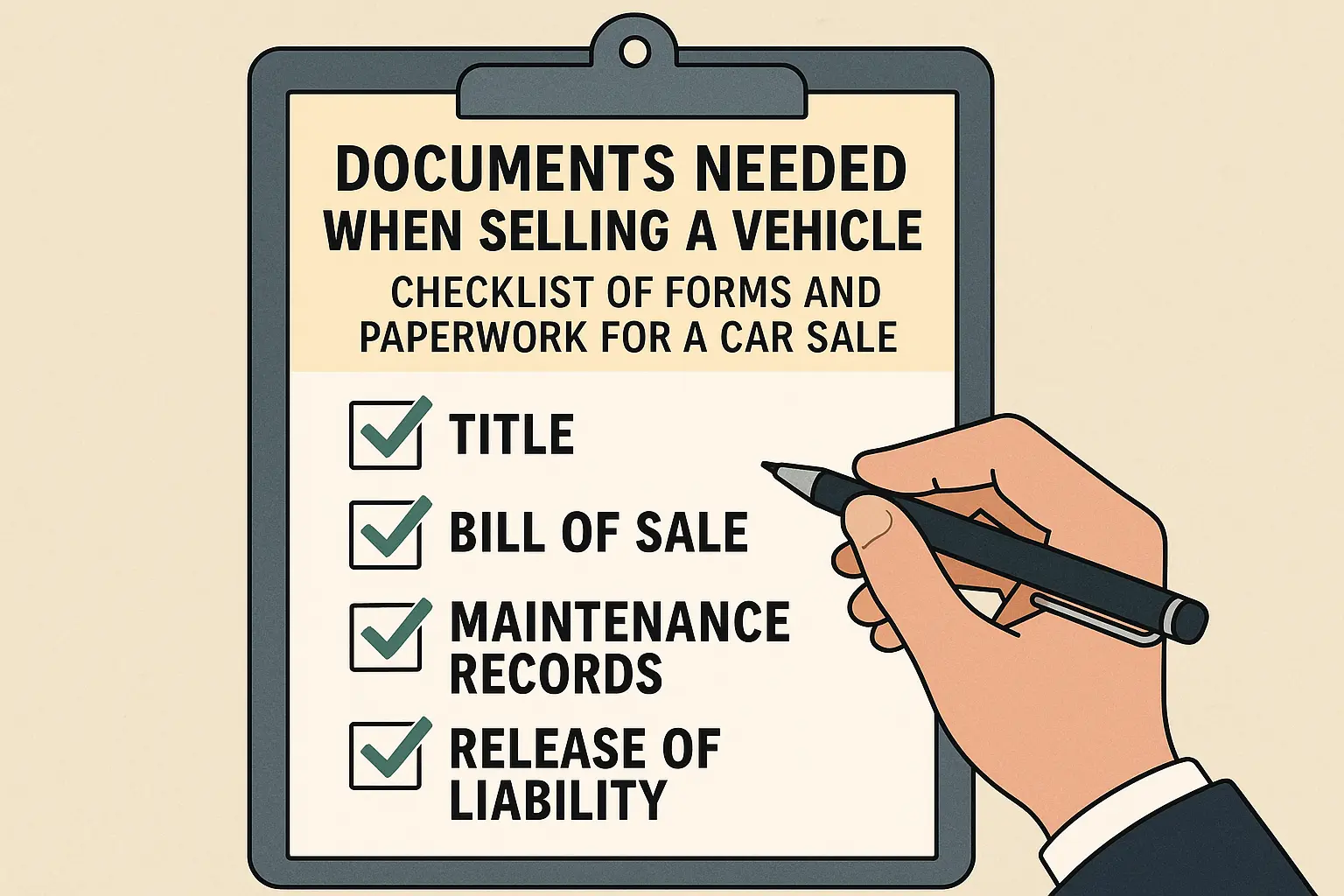
The checklist below walks through documents needed when selling a vehicle. What to prepare, why each form matters, and how to avoid common delays when transferring ownership in Nebraska.
Start with the Vehicle Title and Seller Identification
The title is the main ownership document in a car sale. It proves that you have the legal right to transfer the vehicle to a new owner. Before listing your vehicle, find the physical title and review every detail. The name on the title should match the seller’s legal name, and the vehicle identification number should match the VIN on the car.
If the title is missing, damaged, or inaccurate, handle that issue before setting an appointment with a buyer. Nebraska sellers may need to request a replacement through the proper state or county office. Waiting until sale day to look for the title can lead to frustration and a lost buyer.
You will also need valid identification. A current driver’s license or government-issued photo ID confirms that the person signing the title is the rightful seller. If there are two names on the title, both owners may need to sign depending on how ownership is listed. Check the title carefully so every required signature is handled correctly.
Before signing anything, review the title for these details:
- Seller name: Make sure it matches your ID.
- VIN: Match it to the dashboard, door jamb, and paperwork.
- Lienholder field: Confirm whether a lender is still listed.
- Odometer area: Check whether mileage must be entered on the title.
- Signature lines: Use the correct seller and buyer spaces.
Don't sign the title too early or leave buyer information blank. Filling out the form correctly helps prevent later questions about ownership, taxes, liability, or transfer timing.
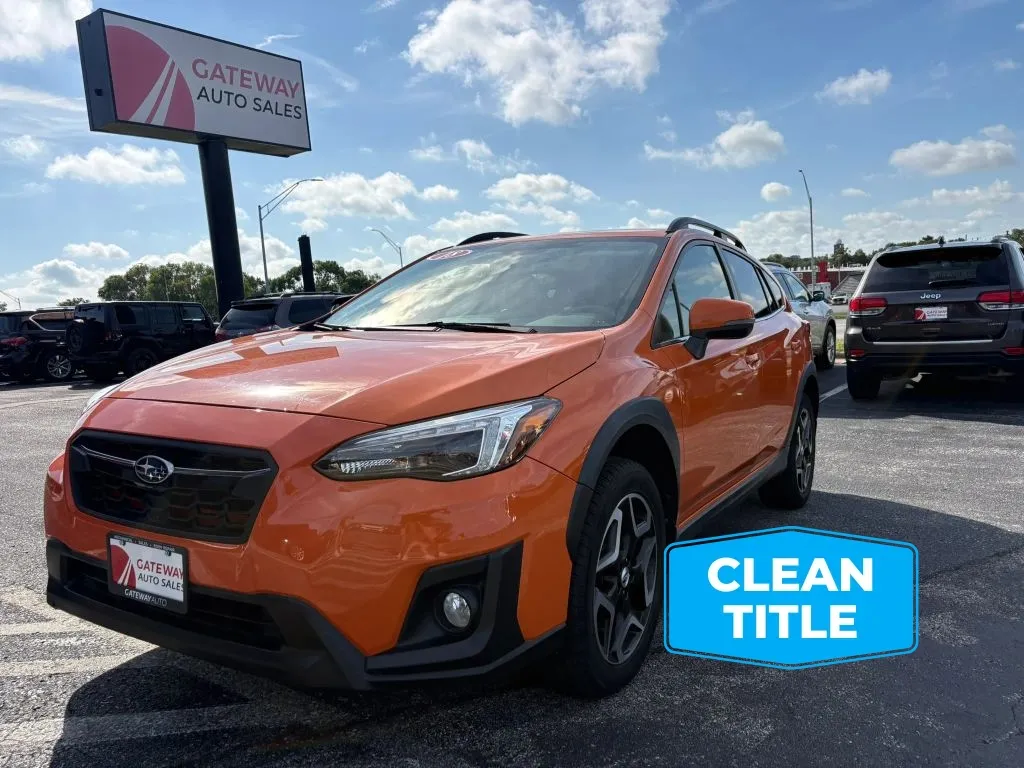
At Gateway Auto Sales, clean-title vehicles and clear documentation are part of the customer experience. That same mindset helps private sellers, too. Clear paperwork shows buyers that the vehicle history is organized and that the sale is being handled professionally.
Use a Bill of Sale to Record the Transaction
A bill of sale gives both parties a written record of the deal. It shows who sold the vehicle, who bought it, when the sale happened, and how much was paid. While the title transfers ownership, this document records the terms of the transaction.
The bill should be simple, direct, and complete. Include the buyer and seller names, addresses, phone numbers, sale date, vehicle year, make, model, VIN, mileage, purchase price, and payment method. If the vehicle is being sold as-is, note that clearly.
This document can help if a question comes up later about payment, taxes, ownership, or the timing of the transfer. It also gives the buyer a record they may need when registering the vehicle.
A strong transaction record should include:
- Full legal names of the buyer and seller
- Vehicle year, make, model, trim, and VIN
- Mileage at the time of sale
- Sale price and payment type
- Sale date and location
- Statement that the vehicle is sold as-is, when applicable
- Signatures from both parties
Keep a copy for your records. The buyer should also receive a copy. If you're selling to a dealer, the dealer will usually prepare the paperwork and walk you through the signing process.
For private sales, avoid vague terms or verbal-only agreements. If you agree to include extra items, such as a second set of keys, winter tires, roof racks, or any upgrade receipts, write them down. Clear records help prevent misunderstandings after money changes hands.
Gateway Auto Sales focuses on a low-pressure, straightforward process. That same approach works well for any vehicle sale: write down the terms, answer questions honestly, and keep the paperwork easy to understand.
Prepare Odometer, As-Is Document, and Damage Disclosure Forms
Mileage is one of the first details buyers check. It affects value, financing, insurance, and future maintenance expectations. That is why accurate mileage paperwork matters during a vehicle sale.
An odometer disclosure is used to record the mileage at the time ownership changes. In many sales, the mileage statement appears on the title. In other cases, a separate form may be needed. The number you write should match the odometer reading on the dashboard.
Don't estimate mileage. If the odometer isn't working, has rolled over, or doesn't reflect the actual miles, disclose that clearly. Mileage errors can create legal and financial problems for both sides.
The as-is document is another helpful form, especially in private used car sales. It states that the buyer accepts the vehicle in its current condition and that future repairs become the buyer’s responsibility after purchase. This doesn't replace honesty. You should still disclose known issues, but it helps set expectations.
Damage disclosure may also matter when the vehicle has been in an accident, has body repairs, has hail damage, or has other known concerns. Even when a vehicle runs well, buyers appreciate clear information about its history.
| Document | What it does | Why it matters |
|---|---|---|
| Odometer disclosure | Records mileage at the time of sale | Helps prevent mileage disputes |
| As-is document | States the vehicle is sold in current condition | Clarifies repair responsibility |
| Damage disclosure | Notes known accident, body, or condition concerns | Builds trust and reduces surprises |
| Service records | Shows maintenance and repairs | Supports buyer confidence |
| Upgrade receipts | Lists added parts or recent improvements | Helps explain value |
These forms are especially helpful when selling an older used vehicle. A buyer may be comfortable with wear, mileage, or past repairs, but they want to know what they are buying. Clear disclosure can also make negotiation easier because the buyer has fewer unanswered questions.
At Gateway Auto Sales, vehicle history reports, clean-title standards, and transparent communication are part of the process. Omaha sellers can follow the same principle by sharing what they know and keeping written records for anything that affects condition or value.
Handle the Lien Release before You Sell Your Car
If your vehicle was financed, check whether a lender is still listed on the title. A lien means the lender has a legal claim on the vehicle until the loan is paid. You usually can't complete a clean transfer while an active lien remains unresolved.
A lien release is a document from the lender showing that the loan has been paid and the lender no longer has a claim on the vehicle. If you recently paid off the loan, contact the lender and confirm whether the release has been issued. Don't assume state records have been updated.
Some sellers still owe money when they decide to sell. In that case, the payoff must be handled properly. A dealer may be able to help with payoff steps during a trade or direct purchase. In a private sale, the buyer may want written confirmation from the lender before moving forward.
If your loan is paid off, gather:
- The original title, if it has been released to you
- Official payoff confirmation from the lender
- Lien release paperwork, if separate from the title
- Any lender instructions related to title transfer
A clean title gives buyers confidence. It also helps avoid delays at registration. If the lender name still appears on the title but you have proof of payoff, bring the supporting paperwork to the sale. The buyer may need it when completing the transfer.
This is one area where working with an experienced dealer can reduce stress. Gateway Auto Sales helps customers understand trade and sale paperwork, including title and payoff questions. If you're unsure whether your loan status will affect the sale, it's better to ask before the buyer is ready to sign.
Bring Registration, Plates, Records, and Payment Details
Vehicle registration helps confirm the vehicle is tied to your name and current records. It's not a replacement for the title, but it can support a smoother sale by giving the buyer another way to verify vehicle details.
In Nebraska, license plates generally stay with the seller rather than going with the vehicle. Remove your plates before the buyer leaves with the car. This helps protect you from tickets, tolls, or other issues after the sale. If you're unsure how to handle your license plate or registration status, check with the county treasurer or the appropriate Nebraska motor vehicle office.
Maintenance records can also help the sale. Receipts for oil changes, brakes, tires, batteries, repairs, inspections, and major service show that you cared for the vehicle. These documents may not be required for transfer, but they can make the buyer feel better about the purchase.
Payment details should be handled with care. Decide ahead of time what forms of payment you will accept. Cash, cashier’s check, and bank transfer are common options, but each comes with its own risks. If accepting a cashier’s check, consider meeting at the issuing bank to verify it. If using an electronic transfer, wait until the funds are confirmed.
Before the buyer takes the vehicle, confirm that you have removed personal belongings, cleared garage door codes, disconnected phone pairing, removed toll tags, and gathered all keys and manuals.
The goal is to make the handoff organized and calm. When you have the title, identification, payment plan, vehicle records, and transfer forms ready, the buyer can move forward with fewer concerns.
Gateway Auto Sales supports drivers across Omaha with sales, financing, service, and collision resources under one connected brand. If you want help understanding your vehicle’s value, trade options, or paperwork, the team can help you take the next step with a clear, no-pressure process.
Purchase Agreement: Make the Vehicle Sale Easier with Organized Paperwork
A smooth sale starts before the buyer arrives. Gather your title certificate, ID, bill of sale, odometer paperwork, as-is agreement, lien release if needed, registration, service records, and payment details. Review everything for accuracy, make copies for your records, and avoid signing forms until the sale is ready to be completed.
Good paperwork protects the seller, reassures the buyer, and keeps the transfer process moving. It also shows that you're serious, prepared, and honest about the vehicle you're selling.
If you want to avoid the stress of handling every form on your own, Gateway Auto Sales can help. Our Omaha team offers a straightforward place to discuss selling, trading, financing, and service needs. Bring your vehicle details, title status, mileage, and available records, and we can help you understand your options.
Ready to move forward? Contact Gateway Auto Sales in Omaha to review your vehicle, talk through your paperwork, and get a clear path for your sale or trade.