Step-by-Step Guide to Auto Financing
Auto Financing in May 2026: What You Need to Know Before You Buy

Auto financing is how most people pay for a vehicle — a lender covers the purchase price, and you repay it over time with interest. Here's a quick breakdown of what matters most:
- Average used car price (2026): ~$25,000
- Average new car price (2026): ~$49,000
- Typical auto loan APR range: 6.81% to 23.82%, depending on your credit score
- Best available rates: As low as 3.89% APR for new cars (credit unions)
- Average monthly ownership costs (insurance, fuel, repairs, taxes): ~$376 on top of your loan payment
- Loan terms: Usually 36 to 84 months — shorter saves money, longer lowers your monthly payment
- Key first step: Get pre-qualified before you shop. It doesn't affect your credit score and tells you what you can actually afford.
For most people buying a used car in Omaha, the process feels more complicated than it needs to be. Rates vary wildly. Lenders use different formulas. Dealer paperwork can feel overwhelming.
Say you're looking at a $25,000 used car and you're not sure whether your credit gets you a decent rate, or whether a 60-month loan is smarter than a 72-month one. Those decisions have real dollar consequences — sometimes thousands of dollars over the life of the loan.
This guide walks through each step clearly, so you can walk into the financing process knowing what to expect and what to watch out for.
The Mechanics of Auto Financing
To navigate auto financing successfully, you must first understand the core machinery of a car loan. At its simplest, an auto loan is an agreement where a financial institution pays for your vehicle upfront, and you agree to pay that money back over a set period, along with a fee for borrowing it.

Every auto loan is built on four fundamental pillars:
- Principal: This is the actual amount of money you borrow to buy the car. If you buy a used sedan for $20,000, put down $4,000, and finance the rest, your starting principal is $16,000.
- Interest: This is the cost of borrowing the money, calculated as a percentage of the remaining principal.
- Annual Percentage Rate (APR): Often confused with simple interest, the APR represents the true yearly cost of your loan. It includes the interest rate plus any prepaid finance charges or lender fees. Securing a Good APR for Car purchases is the single most effective way to keep your lifetime borrowing costs low.
- Loan Term: The duration of time you have to repay the loan, typically measured in monthly increments (e.g., 36, 48, 60, 72, or 84 months).
When you make your monthly car payment, the money is split. Part of it goes toward paying down the principal, and the rest goes toward paying the interest. Because most auto loans are simple-interest loans, interest is calculated daily based on your remaining principal balance. In the early stages of your loan, a larger portion of your monthly payment goes toward interest. As the principal shrinks over time, more of your payment goes directly toward wiping out the balance.
How Credit Scores Impact Auto Financing
Your credit score is the single most influential factor in determining your interest rate and your overall approval odds. Lenders use this three-digit number to gauge how likely you are to pay back your loan on time.
Average auto loan interest rates vary dramatically across different credit tiers:
- Excellent Credit (800+): Borrowers in this tier qualify for the absolute lowest rates, averaging around 6.81% APR for new cars and 7.92% APR for used cars.
- Very Good Credit (740–799): Rates remain highly competitive, averaging 6.83% APR for new and 7.59% APR for used vehicles.
- Good Credit (670–739): Rates begin to climb, averaging 8.22% APR for new and 10.75% APR for used.
- Fair Credit (580–669): Borrowers in this bracket face steeper costs, averaging 19.15% APR for new and 21.13% APR for used.
- Poor Credit (Under 580): Rates can reach 22.11% APR for new and 23.82% APR for used.
The financial impact of these numbers is massive. For example, improving your credit score from fair (580–669) to very good (740–799) could save you more than $2,316 in interest over the life of your loan.
If your credit is less than stellar, you are not locked out of car ownership. Many local options exist, including specialized programs for Bad credit car loans in Omaha, which help credit-challenged buyers secure reliable transportation while working to rebuild their credit profiles.
Pre-Qualification vs. Pre-Approval for Auto Financing
Before stepping onto a dealership lot, it is highly beneficial to understand where you stand with lenders. You have two main pathways to do this: pre-qualification and pre-approval. While they sound identical, they serve very different purposes.
Pre-Qualification is an informal first step. It relies on a "soft" credit pull, which does not affect your credit score. You provide basic financial details, and the lender gives you an estimate of the loan amount and rate you might qualify for. Because it is not a binding offer, pre-qualification is best used in the early stages of your research to establish a realistic budget.
Pre-Approval, on the other hand, is a formal conditional offer from a lender. It requires a "hard" credit pull, which will temporarily dip your credit score by a few points. You must submit official documentation, such as pay stubs and tax returns. In exchange, the lender provides a formal commitment for a specific loan amount at a locked-in interest rate.
These pre-approval offers are typically valid for 30 to 90 days. Having a pre-approval letter in hand essentially turns you into a cash buyer at the dealership. It gives you immense negotiating leverage because you can Go to the dealer with real rates in hand, forcing the dealer's finance department to meet or beat your existing offer.
Choosing the Right Loan Term and Down Payment
Once you know your budget, you must decide how to structure the loan. This involves balancing your monthly payment against the total interest you will pay over time.

Shorter vs. Longer Loan Terms
It is incredibly tempting to opt for a 72-month or 84-month loan because it shrinks your monthly payment. However, long-term loans are highly expensive in the long run. Borrowers with auto loan terms over six years (72 months or more) pay nearly $6,000 more in interest on average than those who choose shorter terms.
Longer terms also increase the risk of going "upside down" or "underwater" on your loan — meaning you owe more on the car than it is actually worth. Because vehicles depreciate rapidly, a long-term loan cannot keep pace with the car's drop in value.
The 20/4/10 Rule
To keep your finances balanced, financial planners recommend the 20/4/10 rule:
- 20% Down Payment: Put at least 20% down on the vehicle (or 10% for a used car) to establish immediate equity.
- 4-Year Term: Limit your auto loan term to no more than 48 months (4 years).
- 10% of Income: Ensure your total monthly transportation costs (including loan payment, insurance, fuel, and maintenance) do not exceed 10% of your gross monthly income.
LTV and DTI Ratios
Lenders look closely at two key financial ratios when evaluating your application:
- Loan-to-Value (LTV) Ratio: This compares the loan amount to the actual value of the vehicle. If you buy a car worth $20,000 and finance $16,000, your LTV is 80%. Lenders prefer an LTV of 80% or less because it reduces their financial risk. A lower LTV almost always secures a better interest rate.
- Debt-to-Income (DTI) Ratio: This measures your monthly debt payments against your gross monthly income. To get the best auto financing terms, aim to keep your overall DTI ratio at 35% or less.
Comparing Lenders: Banks, Credit Unions, and Dealer-Arranged Financing
Where you get your loan matters just as much as the rate itself. Borrowers have three primary options: traditional banks, credit unions, and dealer-arranged financing.
Traditional Banks and Credit Unions
Traditional banks offer convenience, especially if you already have an established relationship with them. However, they tend to have stricter credit requirements and slightly higher rates.
Credit unions, being member-owned, non-profit cooperatives, typically offer the lowest auto loan rates on the market. To access these rates, you must meet their eligibility requirements, which are often based on where you live, work, or worship. In Nebraska, several excellent institutions offer highly competitive rates, such as Omaha Federal Credit Union. Other local options include Metro Credit Union, the University of Nebraska Federal Credit Union, and First Nebraska Credit Union. Regional banks like Pinnacle Bank also provide reliable local lending options.
Dealer-Arranged Financing
For many buyers, the most convenient route is dealer-arranged financing. Instead of you visiting multiple banks, the dealership's finance department does the legwork for you. They package your application and submit it to a broad network of national banks, regional credit unions, and specialized finance companies.
At Gateway Auto Sales, we utilize dealer-arranged financing to connect buyers with competitive third-party lenders. We work with a trusted network of lenders, including partners like Westlake Financial, who specialize in credit-challenged and subprime situations. This allows us to secure options for buyers who might have been turned down by traditional local banks.
Some buyers search online for a Car Dealership with Dealer-Arranged Financing. It is important to know that some direct-funded dealership options often come with incredibly high interest rates, tracking devices installed on vehicles, and strict weekly payment schedules.
By contrast, dealer-arranged financing at a reputable dealership connects you with legitimate, regulated third-party lenders. This ensures you get a fair market rate, flexible payment schedules, and a loan that actually reports to the major credit bureaus to help build your credit score. To learn more about how this process works, read our comprehensive guide on Used Car Financing.
Frequently Asked Questions About Auto Financing
What additional costs should be budgeted for when financing a car?
Your monthly auto loan payment is only part of the equation. When planning your budget, you must account for several additional costs:
- Sales Tax and Registration Fees: These vary by municipality but can add several hundred to thousands of dollars to your upfront costs.
- GAP (Guaranteed Asset Protection) Coverage: If your vehicle is totaled in an accident, standard auto insurance only pays out the car's current market value. If you owe more on your loan than the car is worth, GAP coverage steps in to pay off the remaining loan balance.
- Mechanical Breakdown Protection: Extended service plans that cover major repairs after the manufacturer's warranty expires.
- Ongoing Ownership Costs: On average, drivers spend about $376 per month on vehicle ownership expenses beyond their loan payment (including fuel, insurance, maintenance, and taxes).
Failing to budget for these extra costs is a major reason why 5.1% of Americans with car loans currently struggle to keep up with their monthly payments.
How do tariffs affect car prices in May 2026?
The automotive market in May 2026 is heavily influenced by recent trade policies. A 25% tariff on imported vehicles has added up to $6,000 to the price of new cars under $40,000.
Because new cars have become significantly more expensive, consumer demand has shifted dramatically toward the pre-owned market. This surge in demand has caused used car prices to rise as well. In this market environment, purchasing a clean-title, thoroughly inspected pre-owned vehicle is a highly practical financial strategy, allowing you to bypass the steep initial depreciation of a new car while avoiding tariff-inflated pricing.
Is refinancing an existing auto loan a good idea?
Refinancing involves replacing your current auto loan with a new one, ideally with better terms.
Pros of Refinancing:
- Lower Interest Rate: If your credit score has improved since you first bought the car, or if market rates have dropped, refinancing can secure a lower APR, saving you thousands of dollars.
- Lower Monthly Payments: You can extend your loan term to lower your monthly payment, though this will increase the total interest paid over time.
- Refinance Bonuses: Some lenders offer cash-back incentives (such as a $250 bonus) to switch your loan to their institution.
Cons of Refinancing:
- Prepayment Penalties: Some lenders charge a fee if you pay off your original loan early. (Note: Legitimate lenders in Nebraska rarely charge these, but it is always vital to check your original contract).
- Transaction Fees: Loan processing fees can sometimes eat into your overall savings.
Conclusion
Navigating auto financing does not have to be stressful. By understanding how credit scores affect your rates, establishing a solid down payment, choosing a sensible loan term, and comparing lender offers, you can secure a loan that fits comfortably within your household budget.
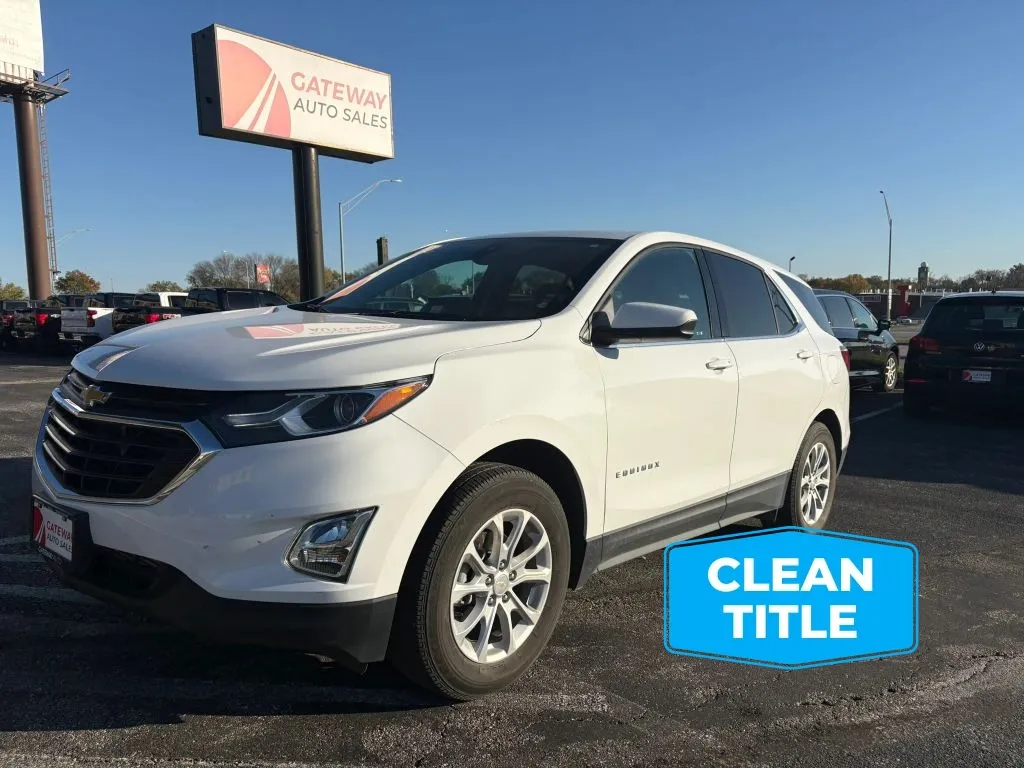
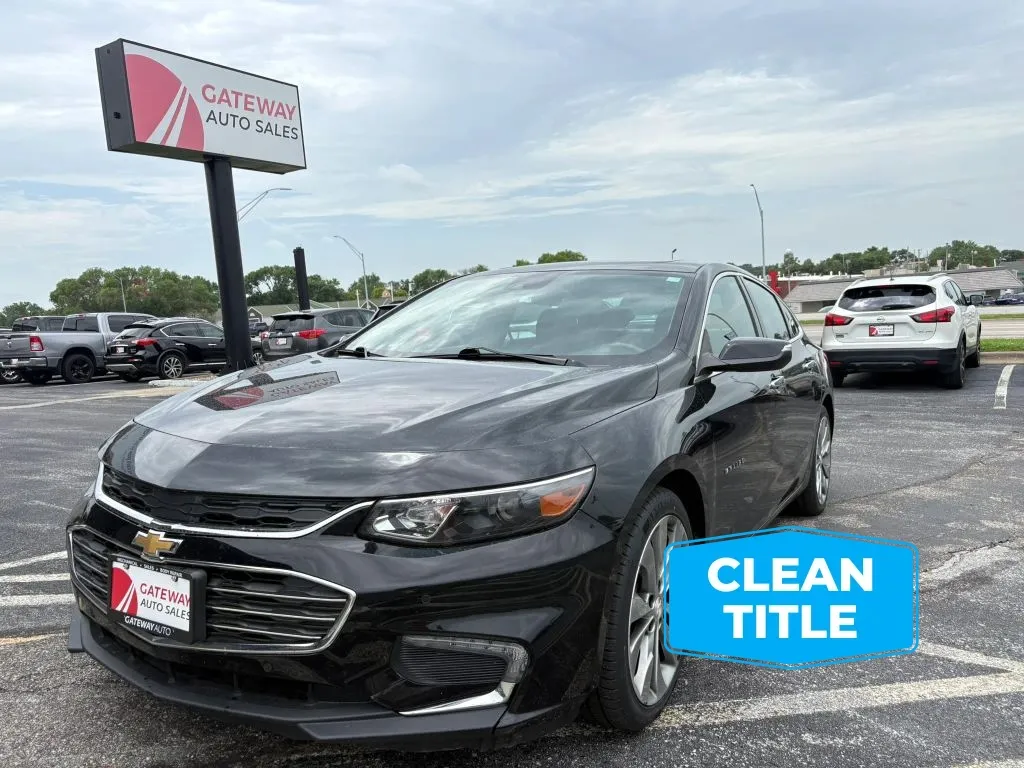
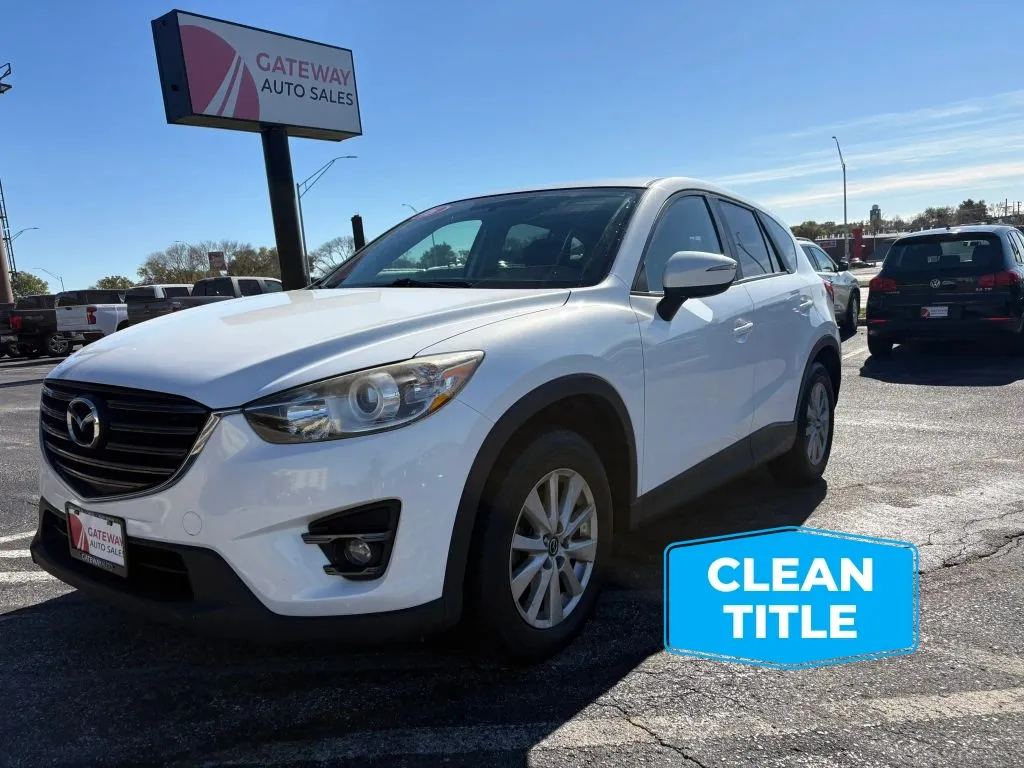
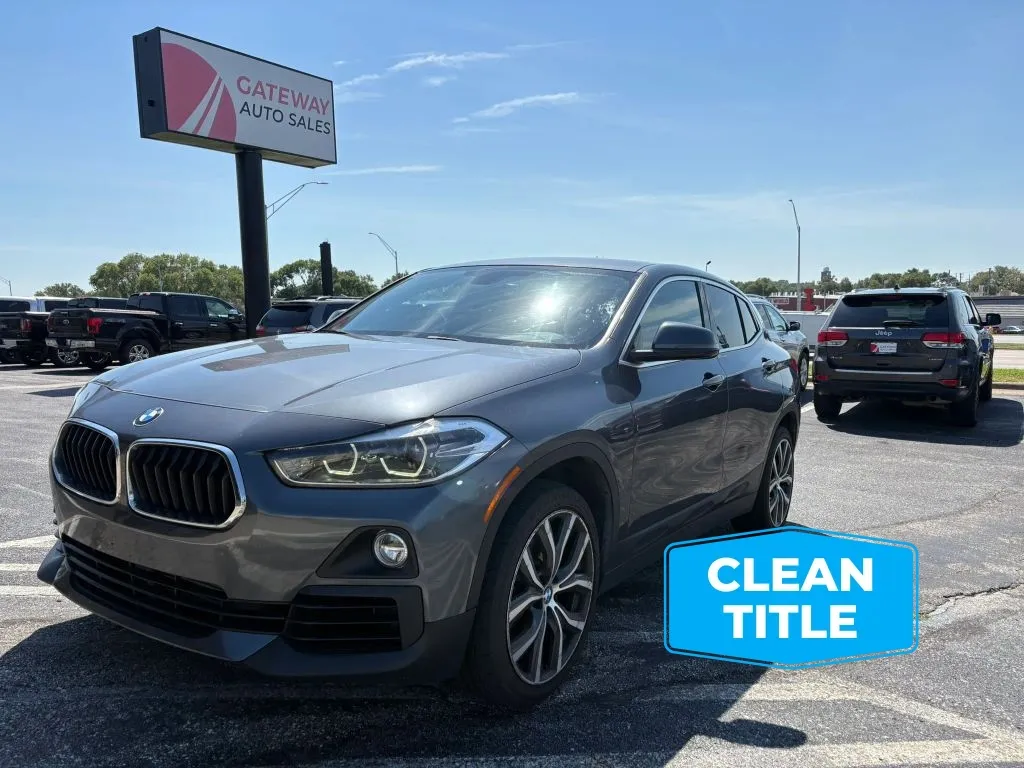
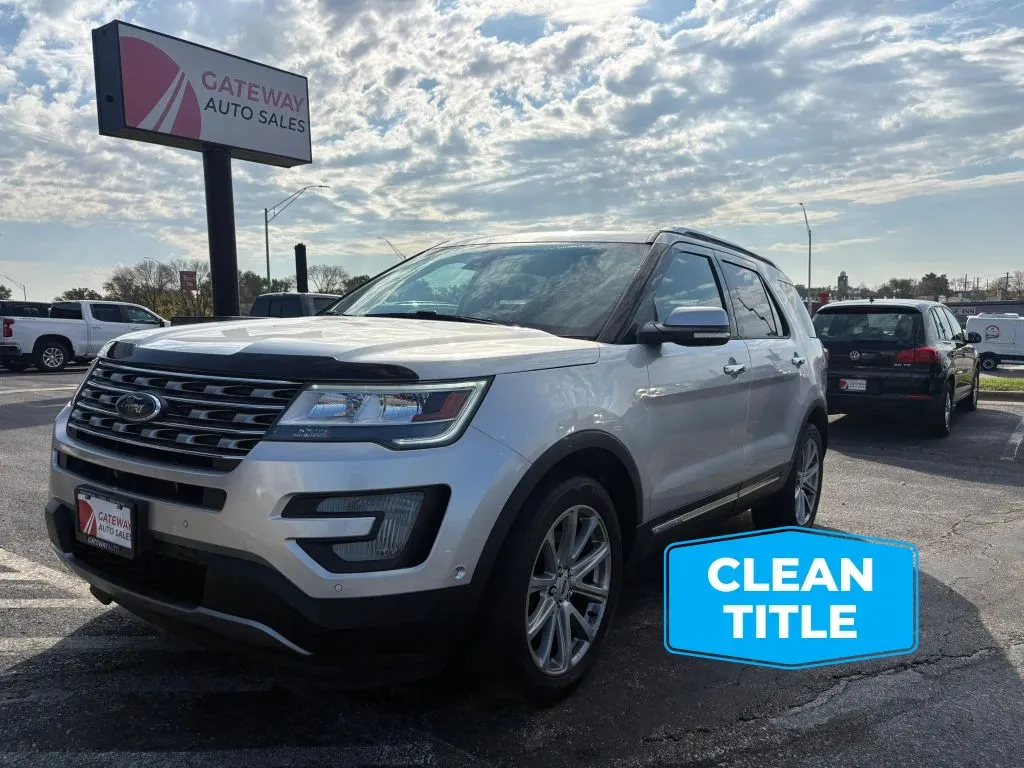
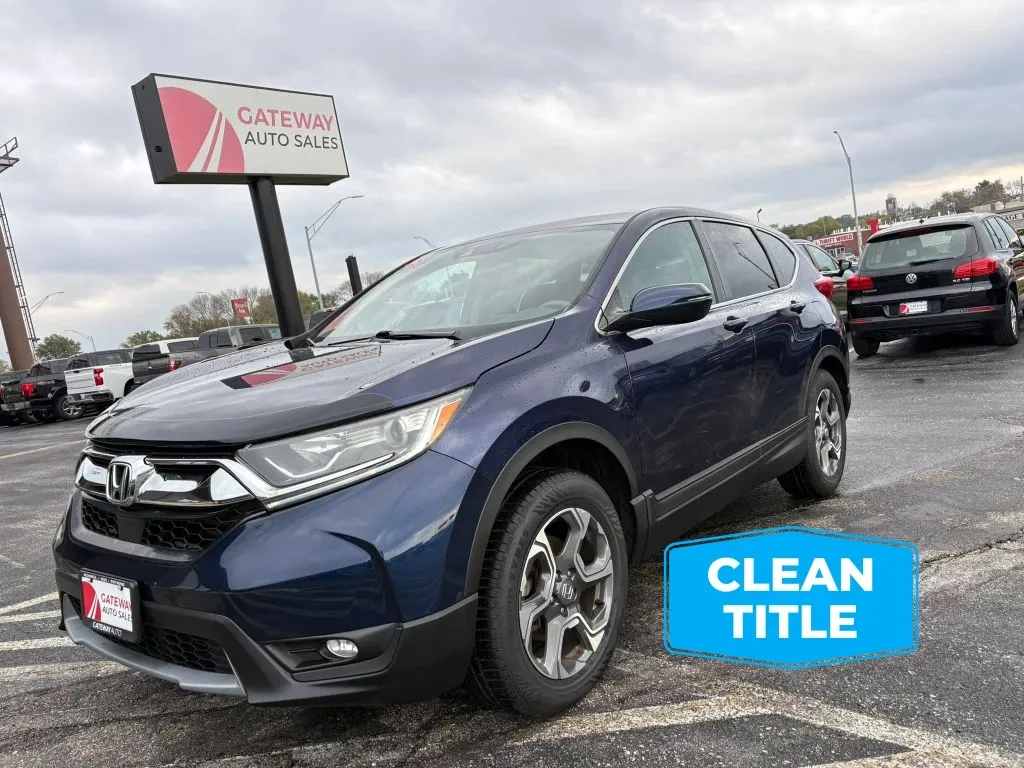
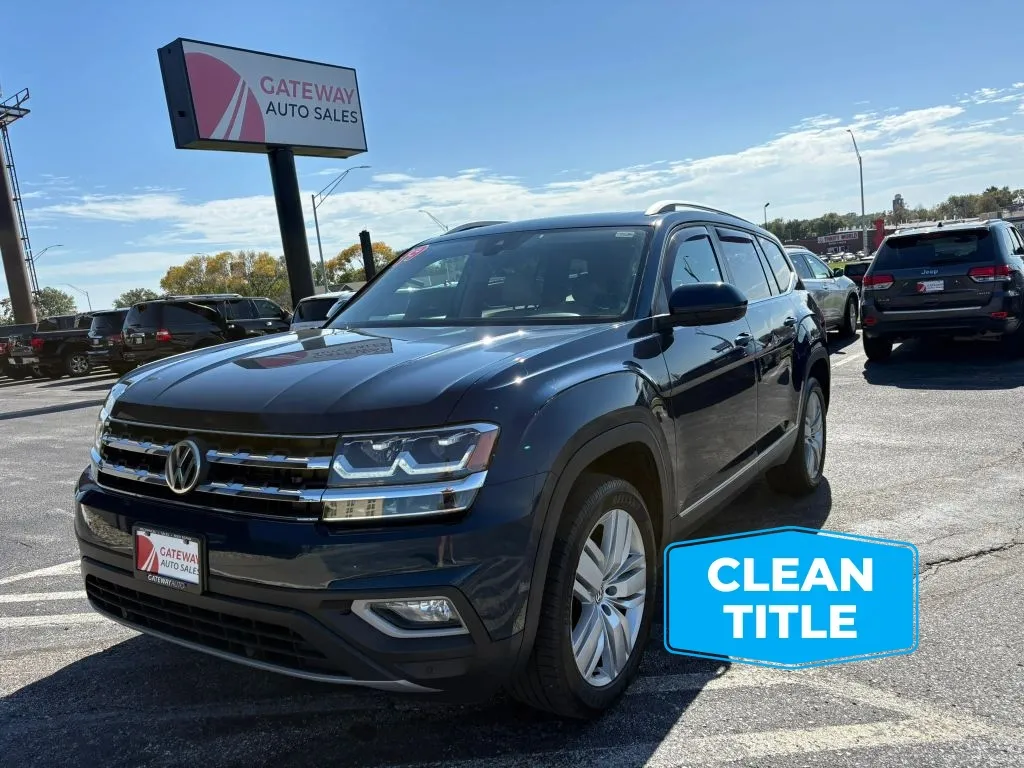
At Gateway Auto Sales in Omaha, Nebraska, we believe in complete transparency. As a family-owned dealership, we build trust with our community by selling clean-title pre-owned vehicles that have undergone rigorous safety checks. We do not sell salvage or frame-damaged vehicles, and we provide free CarFax reports and complete any necessary pre-delivery repairs.
Furthermore, our vehicles are backed by the Gateway Auto family, which includes our on-site service center and collision center, giving you complete peace of mind long after you drive off the lot.
Ready to find your next reliable vehicle? Explore our high-quality inventory of Used Cars in Omaha and let our finance team help you arrange the flexible, third-party financing terms you deserve.