Ultimate Checklist for Used Car Financing
What You Need to Know Before Financing a Used Car
Used car financing is the process of borrowing money to buy a pre-owned vehicle — and getting it right can save you thousands of dollars.
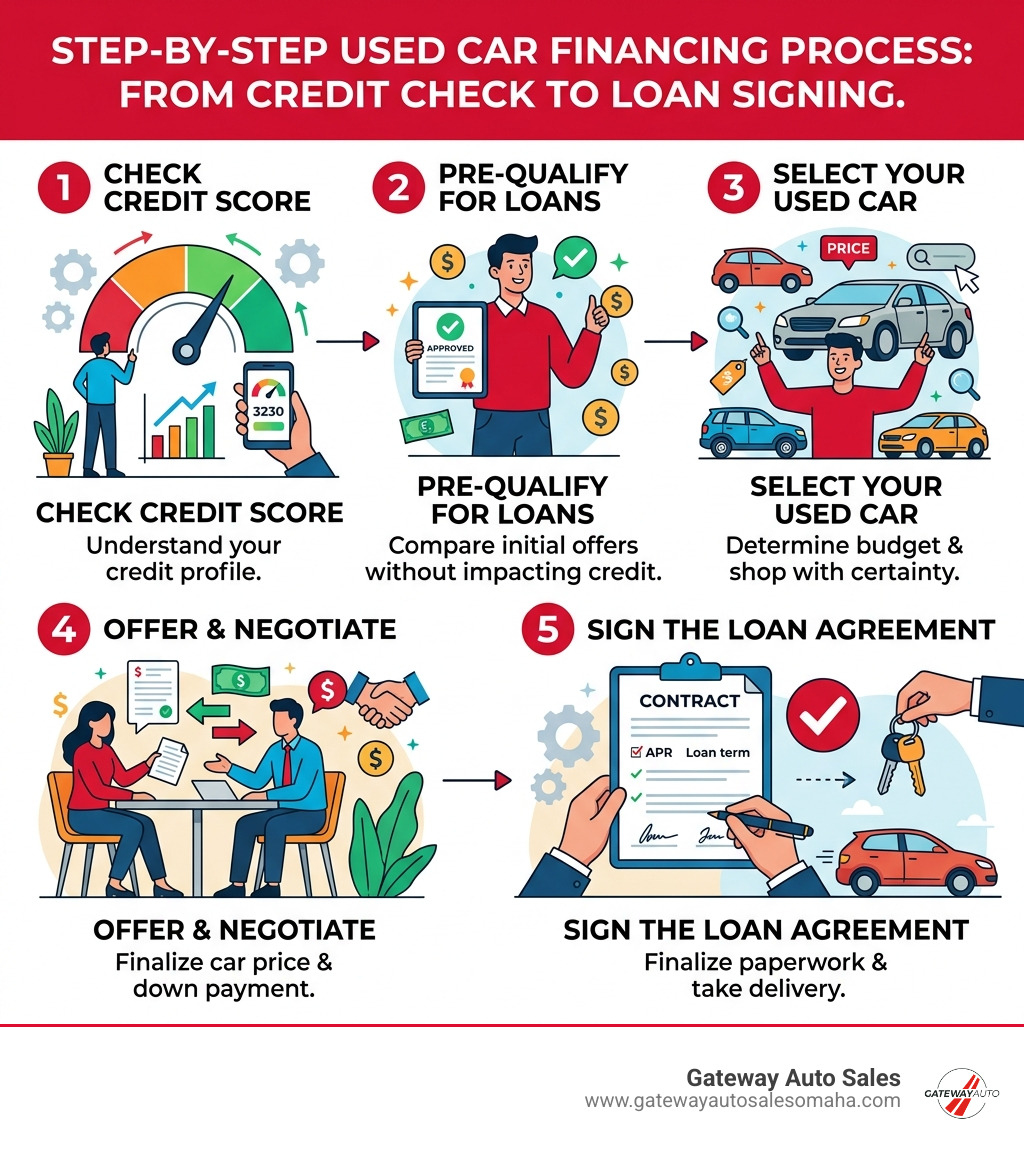
Here's a quick snapshot of what smart used car financing looks like:
- Check your credit score first. Rates range from around 7.92% (excellent credit) to 23.82% (poor credit), according to LendingTree data.
- Get pre-qualified before you shop. It takes minutes, won't hurt your credit, and tells you what you can actually afford.
- Shop multiple lenders. Comparing offers can save an average of $2,346, per LendingTree research.
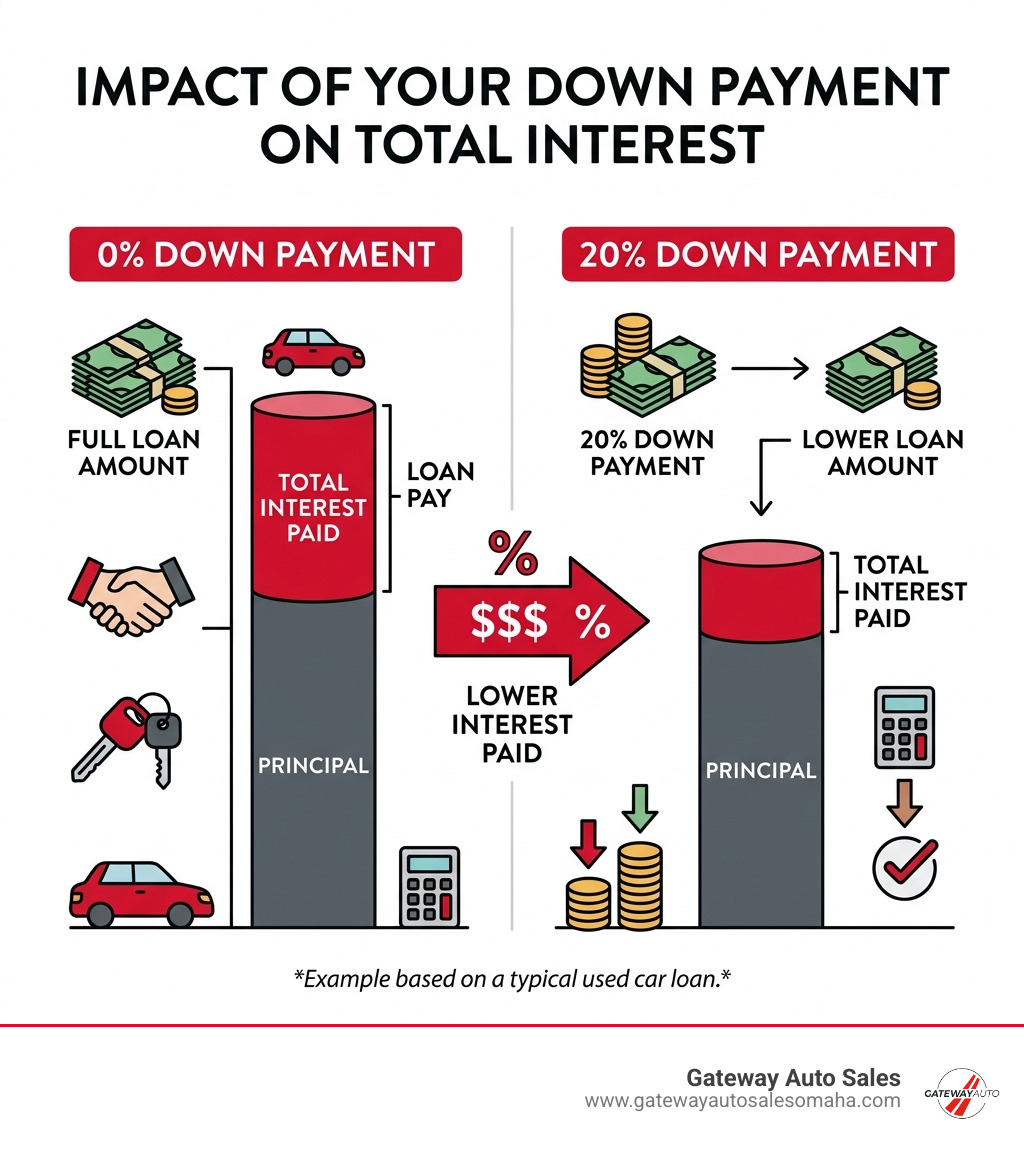
- Plan your down payment. Most buyers put down at least 10%. More down means lower payments and less interest paid overall.
- Choose a shorter loan term. Experts recommend 48 months or less to avoid paying too much in interest.
- Read the full cost. Your monthly payment is just the start — factor in insurance, taxes, registration, and maintenance.
Financing a used car isn't complicated, but it's easy to make costly mistakes if you skip steps. Say you're comparing two identical vehicles — the only difference is the loan you bring to the table. One buyer locked in a rate through a credit union at 7.9%. Another accepted the first offer at the dealership at 14%. Same car. Very different total costs.
This checklist walks you through every step — from understanding your credit to signing the paperwork — so you can buy with confidence and avoid the traps that catch a lot of buyers off guard.
Navigating Used Car Financing Rates in 2026
As we move through April 2026, the landscape for used car financing continues to be shaped by broader economic shifts. Interest rates, often expressed as the Annual Percentage Rate (APR), are the primary factor in determining how much you'll ultimately pay for your vehicle. Currently, average used car APRs can vary significantly. For those with excellent credit (scores of 800 or higher), rates hover around 7.92%. Conversely, buyers with lower credit scores might see rates as high as 23.82%.
Market conditions in 2026 have been influenced by several factors, including ongoing inflation and trade policies. For instance, tariffs on imported vehicles and parts can add several thousand dollars to the price of a car, which in turn increases the amount you need to finance. When you borrow more, your loan-to-value (LTV) ratio—the loan amount compared to the car's actual worth—becomes a critical metric for lenders. A higher LTV often results in a higher interest rate because the lender is taking on more risk.
Data from LendingTree indicates that used car loans typically carry rates about 2% higher than new car loans. This is because used vehicles depreciate at different rates, making them slightly riskier collateral for a bank. However, by staying informed on current trends, you can better time your purchase.
How Credit Scores Impact Used Car Financing
Your credit score is the most powerful tool in your financial belt. It dictates not just whether you get approved, but how much you will pay in interest over the life of the loan. Lenders generally categorize buyers into tiers:
- Super Prime (781-850): These buyers get the "billboard" rates, often the lowest available.
- Prime (661-780): Good rates that are still very competitive.
- Non-Prime/Subprime (under 660): Rates begin to climb significantly here.
If you find yourself in a lower tier, don't lose heart. You can actually Build Credit with Used Car Loan by making consistent, on-time payments. This demonstrates to future lenders that you are a reliable borrower.
On the flip side, delinquency is a real concern in the current market. Approximately 5% of Americans are currently behind on at least one auto loan payment. Lenders mitigate this risk by charging higher interest to those with lower scores. Improving your score by even 50 points before you shop could potentially save you over $2,000 in interest charges over a four-year loan.
The Pre-Approval and Budgeting Phase
Before you ever set foot on a lot or fall in love with a specific SUV, you need to know your "number." This starts with pre-qualification. Unlike a full loan application, a pre-qualification usually involves a "soft" credit pull, which means it won't lower your credit score.
When you Get Pre-Qualified Instantly, you receive an estimate of the loan amount and interest rate you might qualify for. This helps you set a realistic budget limit. Lenders will also look at your debt-to-income (DTI) ratio. Ideally, your total monthly debt payments (including your future car loan) should not exceed 35% to 45% of your gross monthly income.

Calculating the Total Cost of Used Car Financing
The sticker price on the window is never the final price of the car. Many buyers make the mistake of only looking at the monthly payment, but a low monthly payment can hide a very expensive loan if the term is too long.
To get a clear picture, use an Auto Loan Calculator. You need to factor in:
- Sales Tax: In Omaha, this is a significant addition to the purchase price.
- Registration and Title Fees: These are paid to the state and vary based on the vehicle's value and weight.
- Ownership Costs: This includes full-coverage insurance (required by lenders), fuel, and maintenance.
By looking at the total cost of ownership, you can find truly Affordable Car Financing Options that won't leave you "car poor" at the end of the month.
Choosing the Right Loan Terms and Down Payment
The "term" is the length of time you have to pay back the loan. While 72-month or even 84-month loans are becoming more common because they offer lower monthly payments, they are often a trap for used car buyers.
Used cars depreciate, though usually slower than new cars. If you take out a 7-year loan on a 5-year-old car, you might find yourself "upside down"—meaning you owe more than the car is worth—before the loan is even half over. Most experts suggest a 48-month term as the "sweet spot" for used car financing. It keeps interest accumulation low and helps you build equity in the vehicle faster.
Your down payment is your best defense against high interest. While some programs exist for low down payments, putting down 10% to 20% is standard. A larger down payment reduces the total amount you need to borrow, which can sometimes even trigger a lower interest rate tier from the lender. For more insights, check out these Financing Used Car Benefits & Tips.
Comparing Lenders: Banks vs. Dealerships
Where you get your money matters as much as what you buy. You generally have three main options for used car financing:
- Credit Unions: These member-owned institutions often offer the most competitive rates. In our region, Local Omaha auto loan resources like Metro Credit Union or Navy Federal can provide rates significantly lower than national banks.
- Traditional Banks: Useful if you already have an established relationship, though their criteria can be stricter.
- Dealership Financing: Dealerships work with a network of third-party lenders. At Gateway Auto Sales, we work with various lenders, including Westlake Financial, to help find options for many different credit situations, including those with fair or challenged credit.
One of the major Dealership Financing Benefits is convenience. A dealer can often submit your application to multiple lenders at once, essentially making them compete for your business. Additionally, many lenders offer a "rate lock" for 30 days once you are approved, protecting you if market rates rise while you are finishing your paperwork.
Final Steps: Documentation and Vehicle Verification
Once you've picked the car and the loan, it's time for the "paperwork phase." Lenders will typically require:
- Proof of Income: Recent pay stubs or tax returns.
- Proof of Residence: A utility bill or lease agreement.
- Insurance: Proof of a full-coverage policy that names the lender as the lienholder.
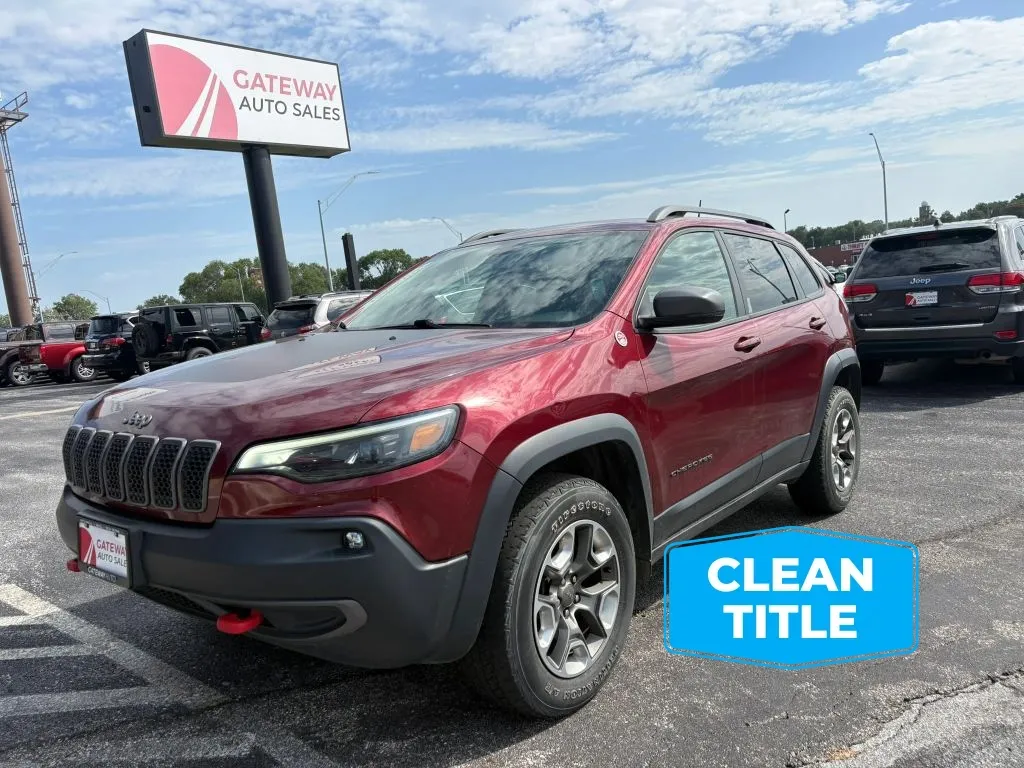
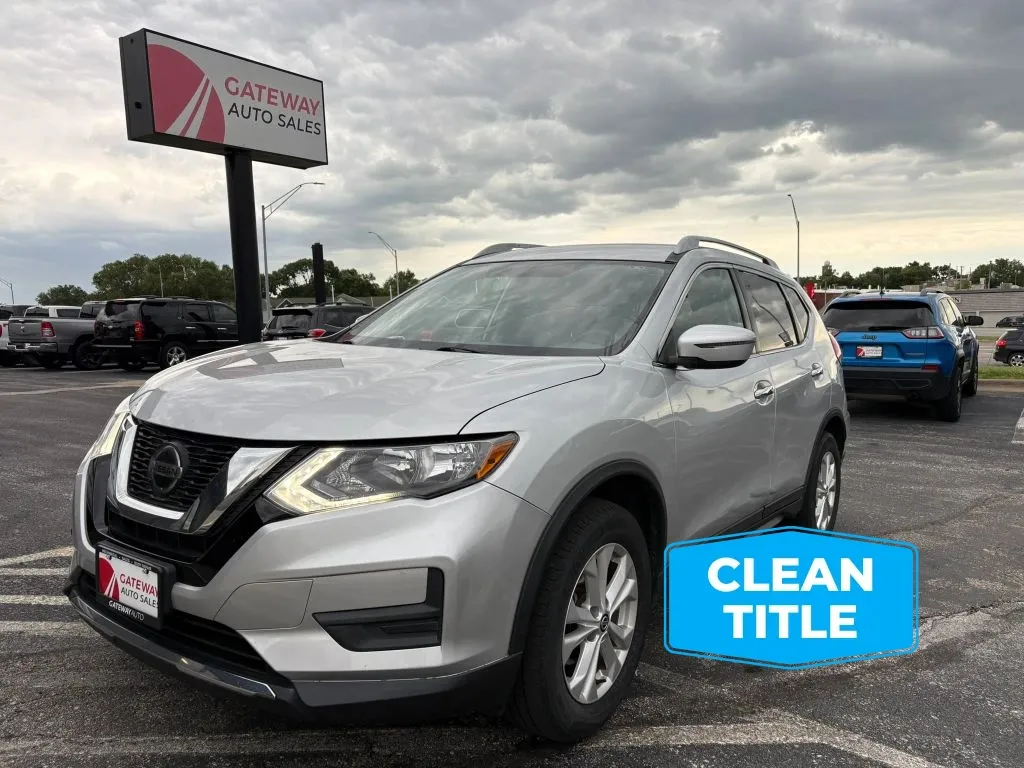
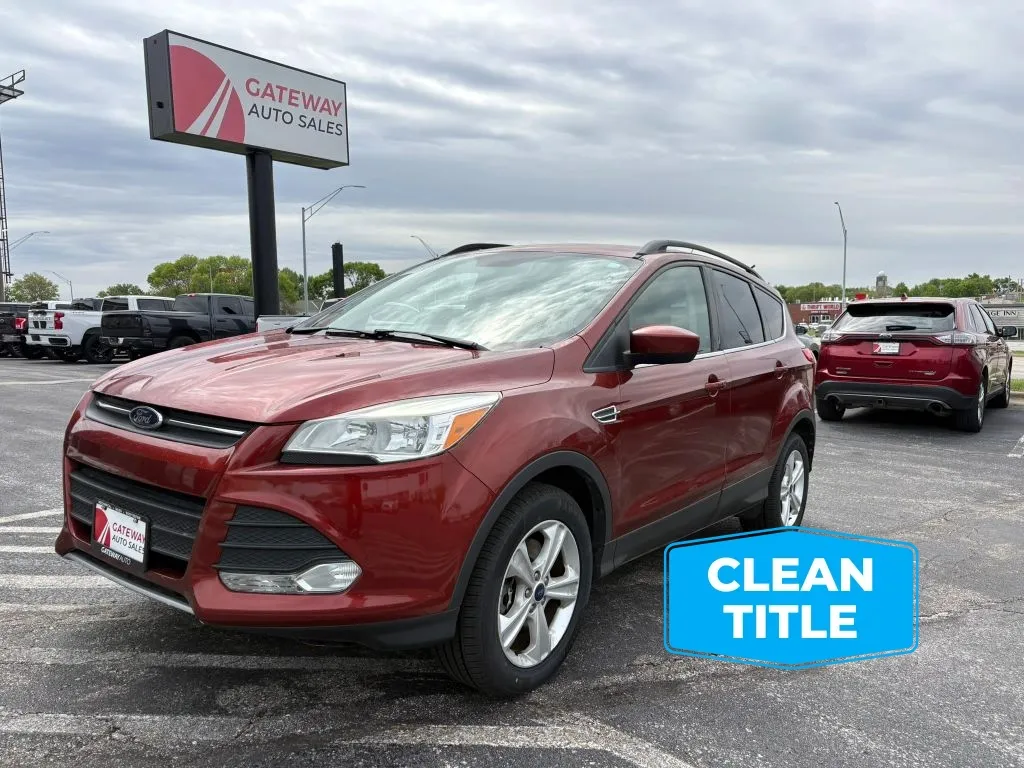
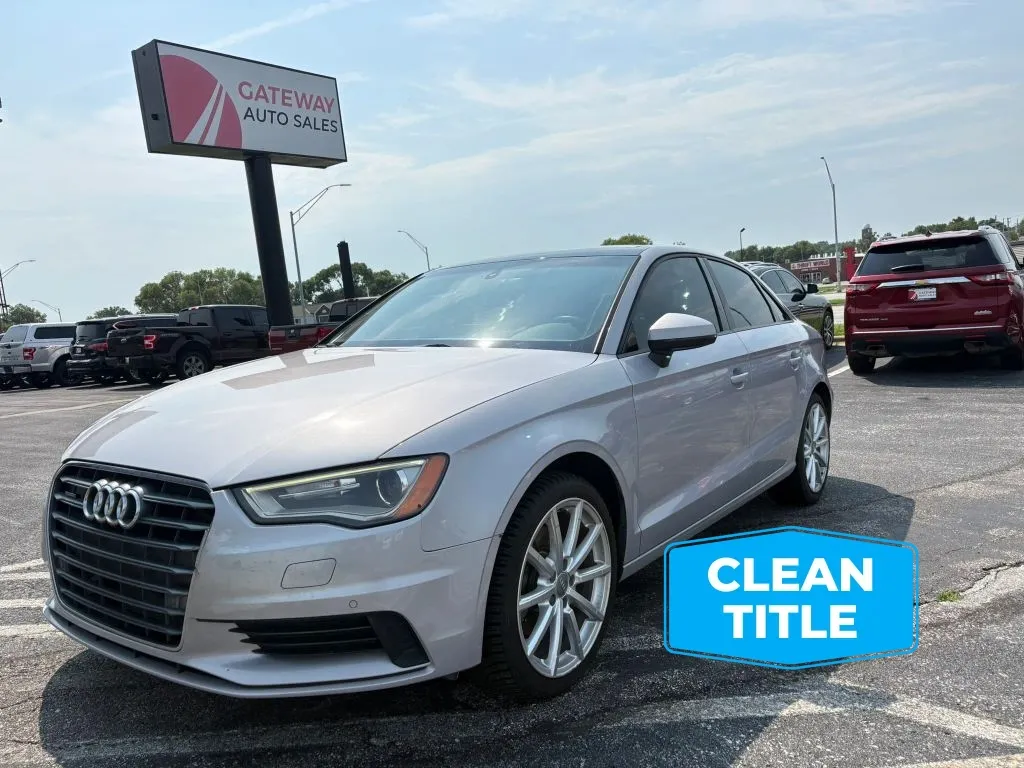
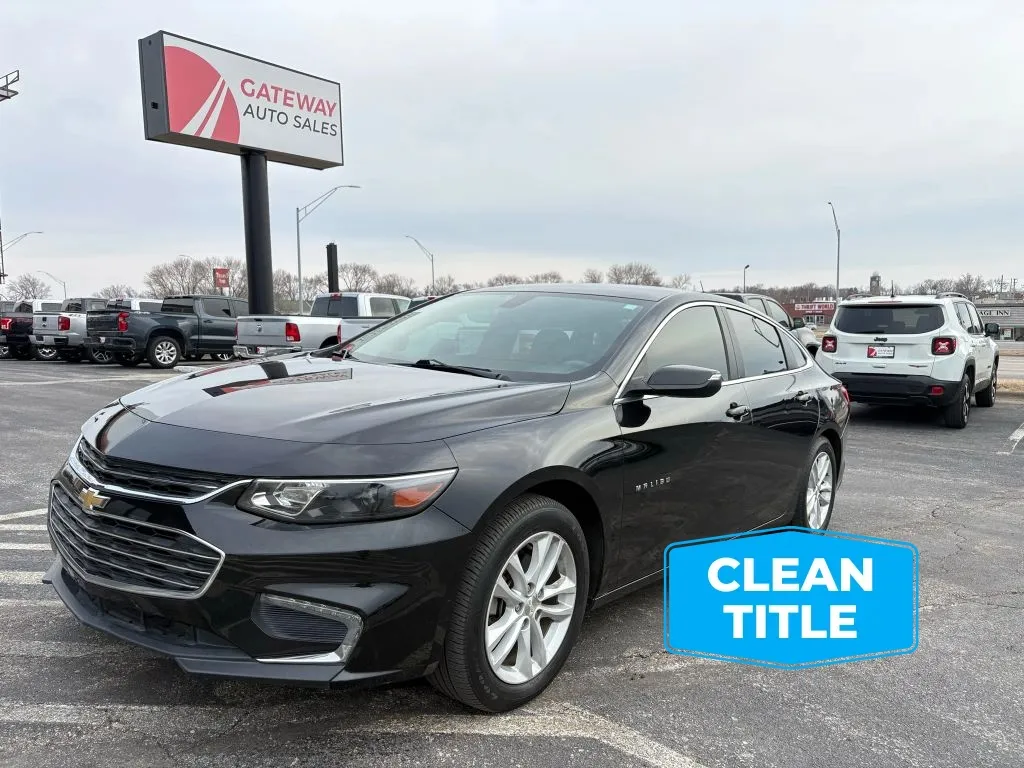
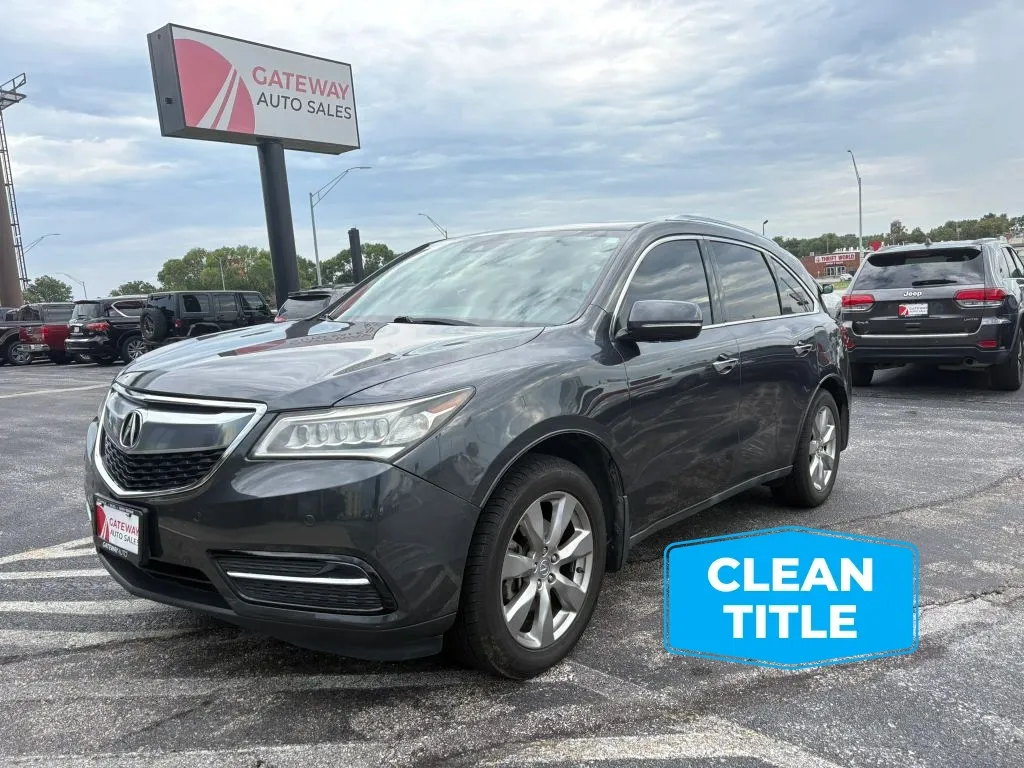
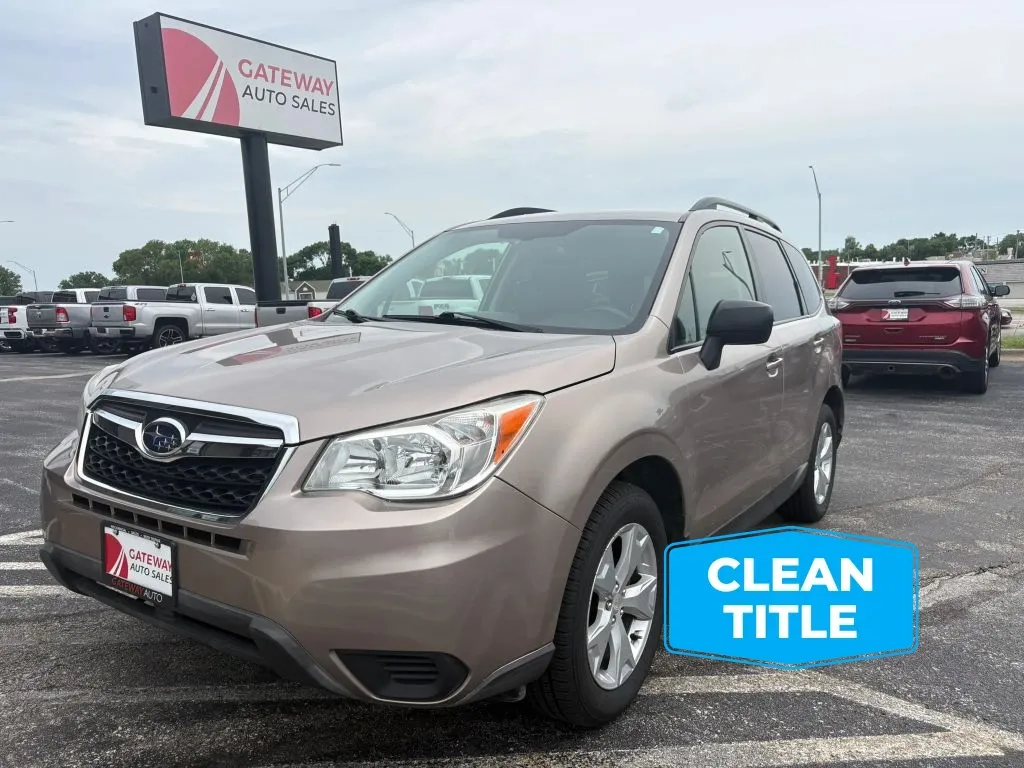
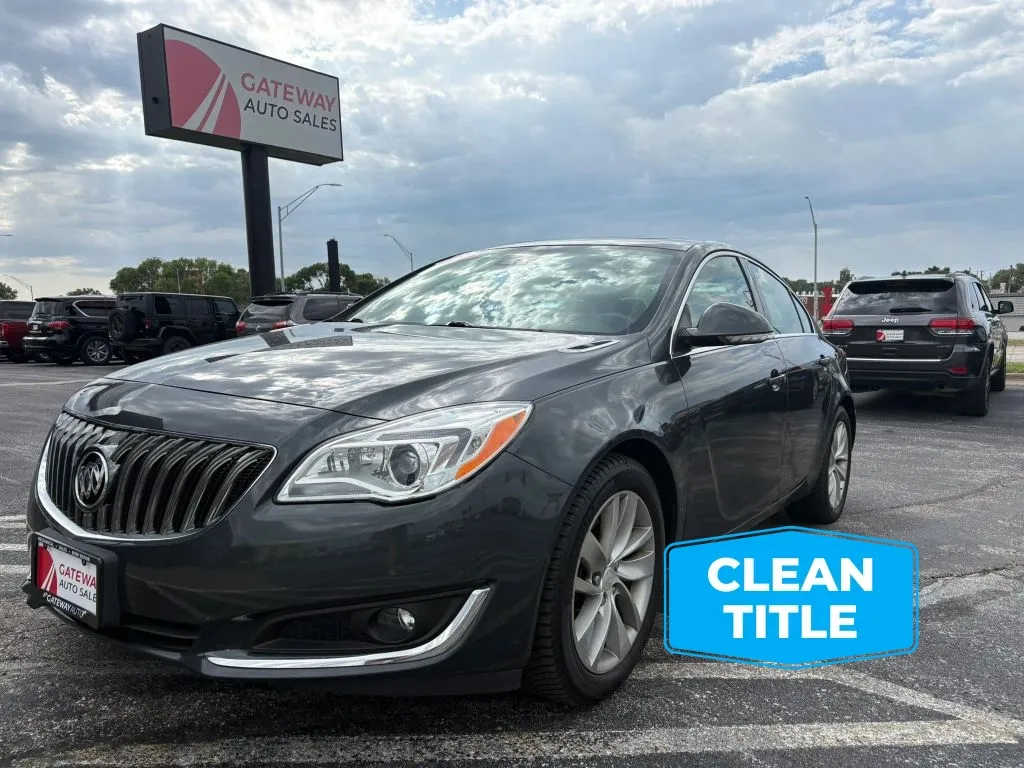
Verification of the vehicle is equally important. You should never finance a used car without seeing its history. While Scientific research on vehicle history accuracy shows that reports are highly reliable, they aren't perfect. That's why we provide free CarFax reports and ensure every vehicle has a clean title—no salvage or frame damage.
Furthermore, a mechanical inspection is vital. Because Gateway Auto Sales is part of the Gateway Auto family, which includes a full service and collision center, our vehicles undergo rigorous checks and pre-delivery repairs. This ensures that the asset you are financing is in top condition.
Frequently Asked Questions about Used Car Loans
What is the difference between pre-qualification and pre-approval?
Pre-qualification is an initial estimate based on a soft credit pull; it gives you a ballpark figure without affecting your credit score. Pre-approval is a more formal process involving a hard credit pull and documentation review, resulting in a specific offer and interest rate.
How much should I put down on a used car?
While "zero down" sounds appealing, it's usually not the best financial move. Aiming for at least 10% is a great starting point, but 20% is ideal to minimize interest and avoid being "upside down" on the loan.
Can I get a used car loan with a fair credit score?
Yes. Many lenders specialize in working with buyers who have fair or even poor credit. While the interest rates will be higher, successfully managing the loan is one of the fastest ways to improve your credit score for the future.
Conclusion
Securing the right used car financing is about more than just finding a monthly payment that fits; it's about protecting your financial future. By following this checklist—checking your credit, getting pre-qualified, and choosing a sensible loan term—you can drive away with peace of mind.
At Gateway Auto Sales in Omaha, we believe in transparency and trust. From our rigorous vehicle inspections and clean titles to our connection with the Gateway Auto service and collision centers, we are here to support you long after the ink on the contract is dry. Ready to see what you qualify for? Apply Online today and take the first step toward your next vehicle.