Everything You Need To Know About Used Car Warranties

Types of Used Car Warranties: Knowing Your Options
When evaluating a used car, understanding the different types of warranties tells you a lot about what you're actually buying — and what happens when something breaks.
1. Manufacturer's Warranty
Some used cars are still covered under the original manufacturer's warranty. This covers defects in materials or workmanship for a set period or mileage. Check the remaining terms carefully — a 2021 vehicle with 35,000 miles may still have factory powertrain coverage left depending on the brand.
2. Extended Warranty
Dealerships often offer extended warranties for used cars, picking up coverage beyond the manufacturer's original terms. These can range from one year to several years depending on the vehicle and provider. They come with an added cost, so weigh the coverage against the vehicle's reliability history before signing.
3. Dealer Warranty
Some independent dealers offer their own warranties with unique coverage and terms. These vary significantly from lot to lot — some are comprehensive, some are barely worth the paper they're printed on. Always ask specifically what's covered, what's excluded, and who performs the repairs.
4. As-Is / No Warranty
Many used vehicles are sold "as-is," meaning if something breaks the day after you drive off the lot, the repair is on you. This doesn't mean you should avoid as-is vehicles entirely — it means you need to do your homework before you buy. A thorough pre-purchase inspection and a clean vehicle history report matter even more in this scenario.
Key Warranty Terms to Understand
Once you know what type of warranty a vehicle carries, dig into the specifics. Here's what to focus on:
- Duration: How long does coverage last — months, years, or until a specific mileage?
- Mileage limits: Some warranties expire at a mileage threshold regardless of time. If you drive a lot, this matters.
- Covered components: Powertrain-only coverage (engine, transmission, drivetrain) is common but limited. Broader coverage that includes electrical systems, A/C, and other components costs more but protects more.
- Exclusions: Every warranty has them. Tires, brakes, and routine maintenance items are almost never covered. Aftermarket modifications can void coverage entirely.
- Transferability: Can the warranty transfer to a new owner if you sell the vehicle? A transferable warranty adds real resale value.
- Repair location: Some warranties require repairs at specific shops. Others are more flexible. Know this before you're stranded somewhere inconvenient.
What Warranties Won't Cover
Understanding what's excluded is just as important as knowing what's covered. Common limitations to watch for:
- Wear and tear: Brakes, tires, belts, and wiper blades are owner-maintenance items in virtually every warranty.
- Pre-existing conditions: Issues present before purchase are generally not covered. This is exactly why a vehicle history report and pre-purchase inspection aren't optional.
- Maintenance requirements: Many warranties require you to follow the manufacturer's maintenance schedule. Skip an oil change and you may give the warranty provider grounds to deny a claim.
- Deductibles: Some warranties charge a per-visit deductible. A $100 deductible on a $200 repair changes the math on whether a warranty was worth buying.
Dealership Warranties vs. Third-Party Providers
When comparing warranty sources, dealership warranties generally have a few practical advantages:
- Clearer terms: Reputable dealerships spell out what's covered rather than burying exclusions in fine print.
- Repair convenience: If the dealership has an on-site service center, covered repairs happen in one place — no runaround between the warranty company and an unfamiliar shop.
- Accountability: A dealership you can walk back into has more skin in the game than a third-party warranty company you found online.
Third-party warranty providers aren't automatically bad — some offer competitive coverage at lower prices. But read reviews carefully and check the claim process before you commit. A warranty that fights every repair isn't worth what you paid for it.
How to Make a Smart Warranty Decision
A few practical steps before signing anything:
- Read the full document. Not the summary — the actual terms. The exclusions section is where most surprises live.
- Compare coverage, not just price. A cheaper warranty that excludes the most likely failure points on a high-mileage vehicle isn't a deal.
- Match coverage to the vehicle's age and mileage. An extended powertrain warranty on a 60,000-mile vehicle is a different risk calculation than the same warranty on a 110,000-mile vehicle.
- Factor it into the total purchase price. The monthly payment looks different when you add warranty cost. Make sure the total still fits your budget.
- Ask about the Magnuson-Moss Warranty Act. This federal law requires warranty terms to be disclosed clearly and prevents warranty providers from voiding coverage simply because you used a third-party part or service shop. Knowing your rights here gives you leverage.
How Gateway Auto Sales Approaches This
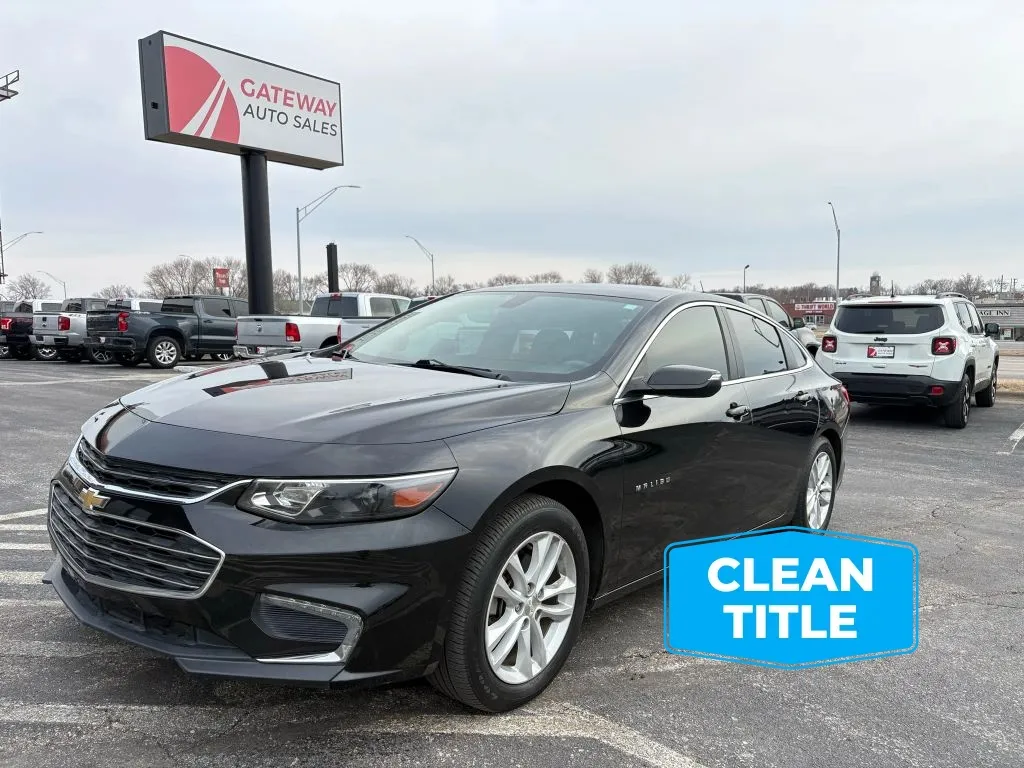
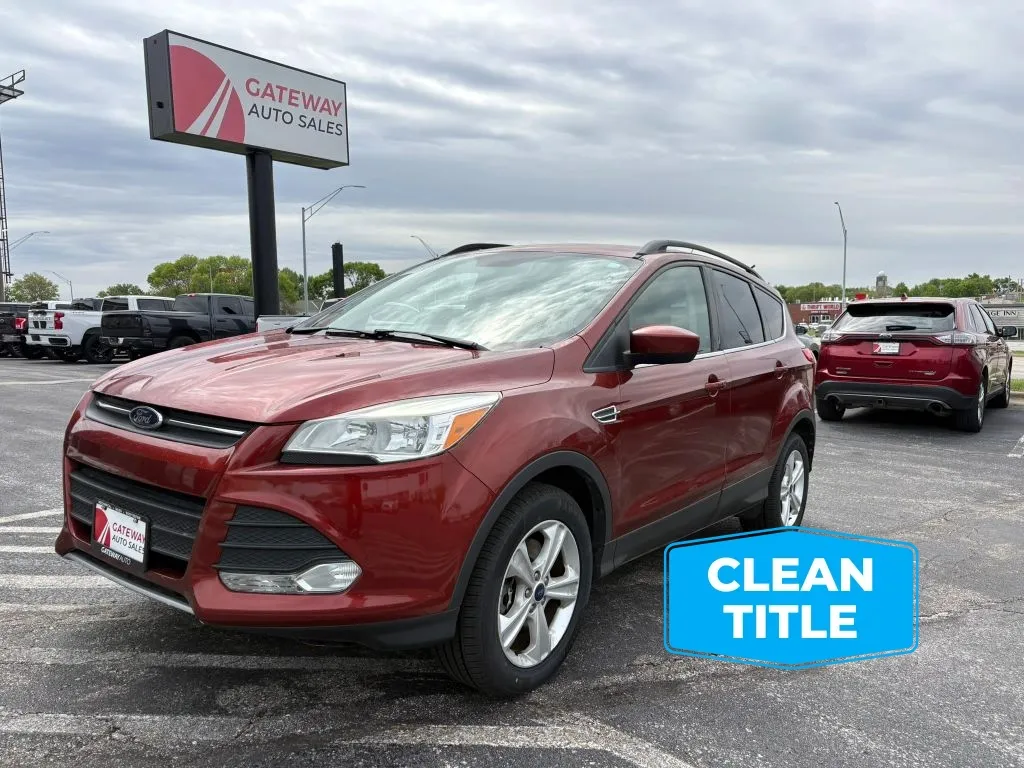
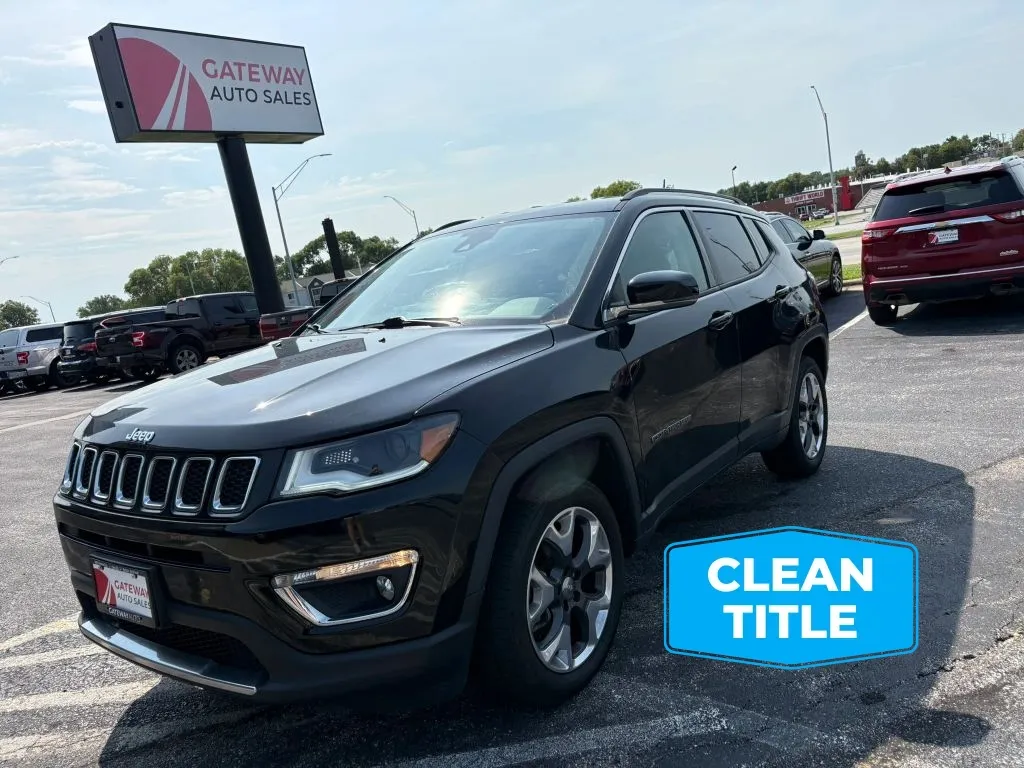
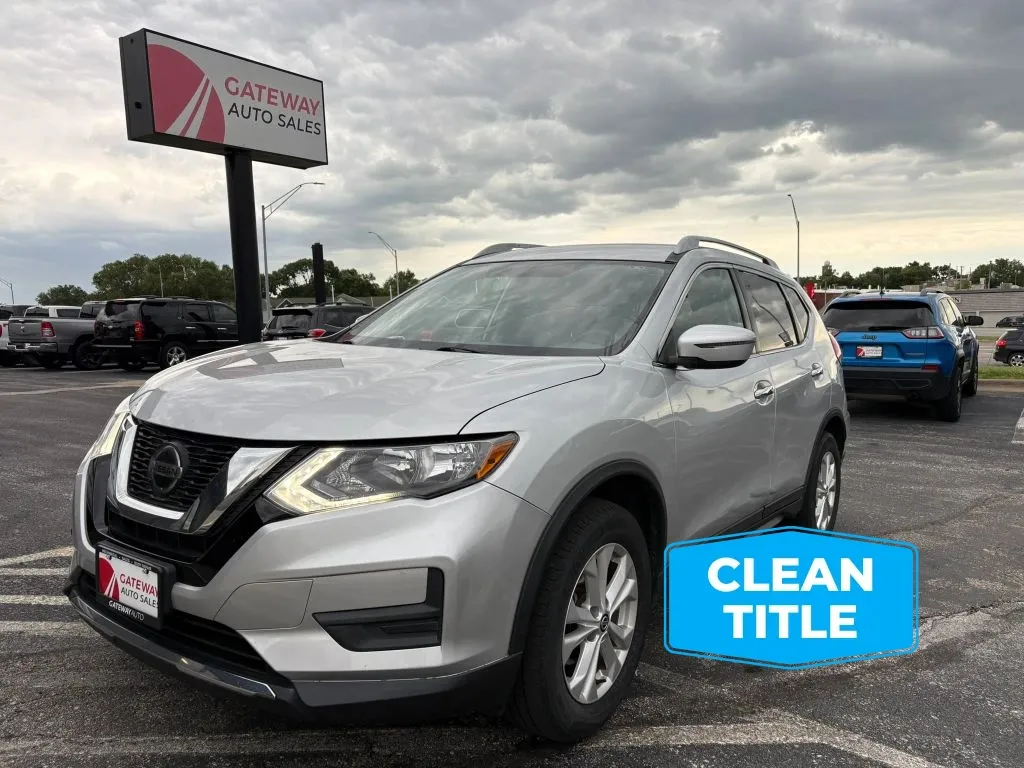
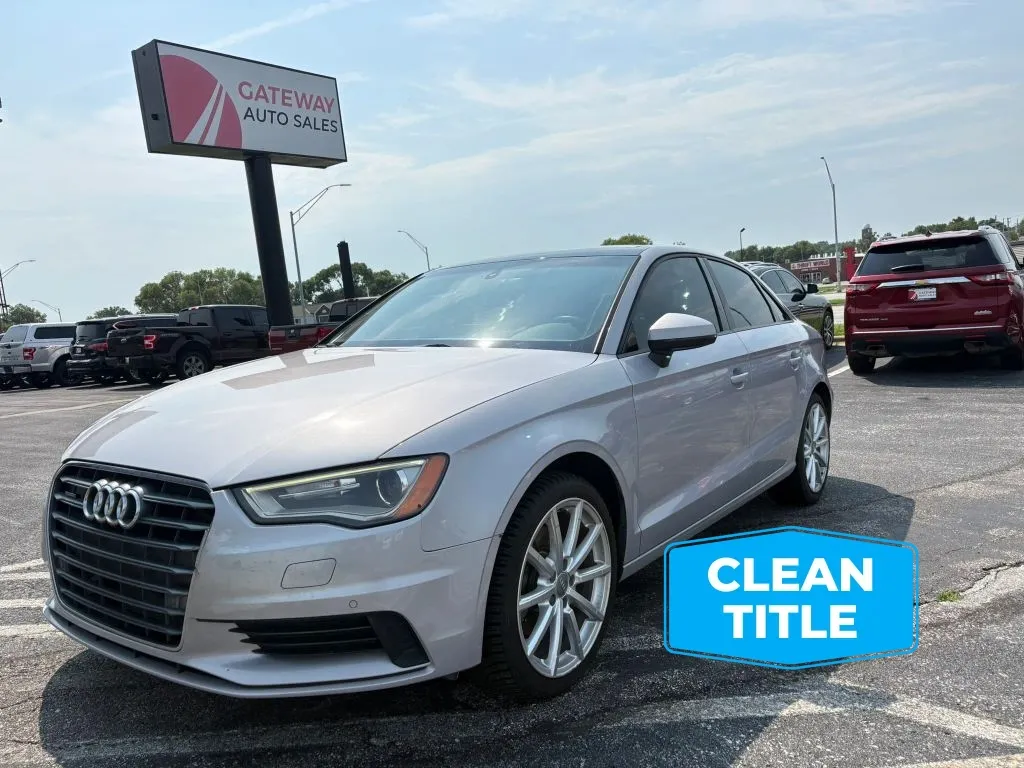
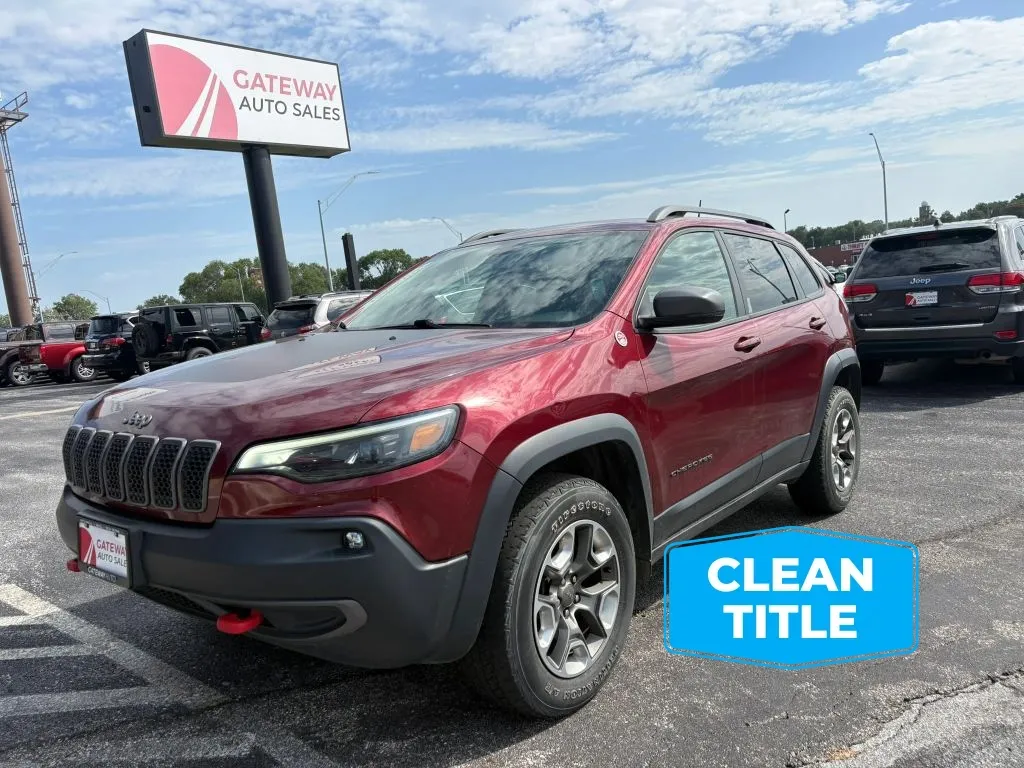
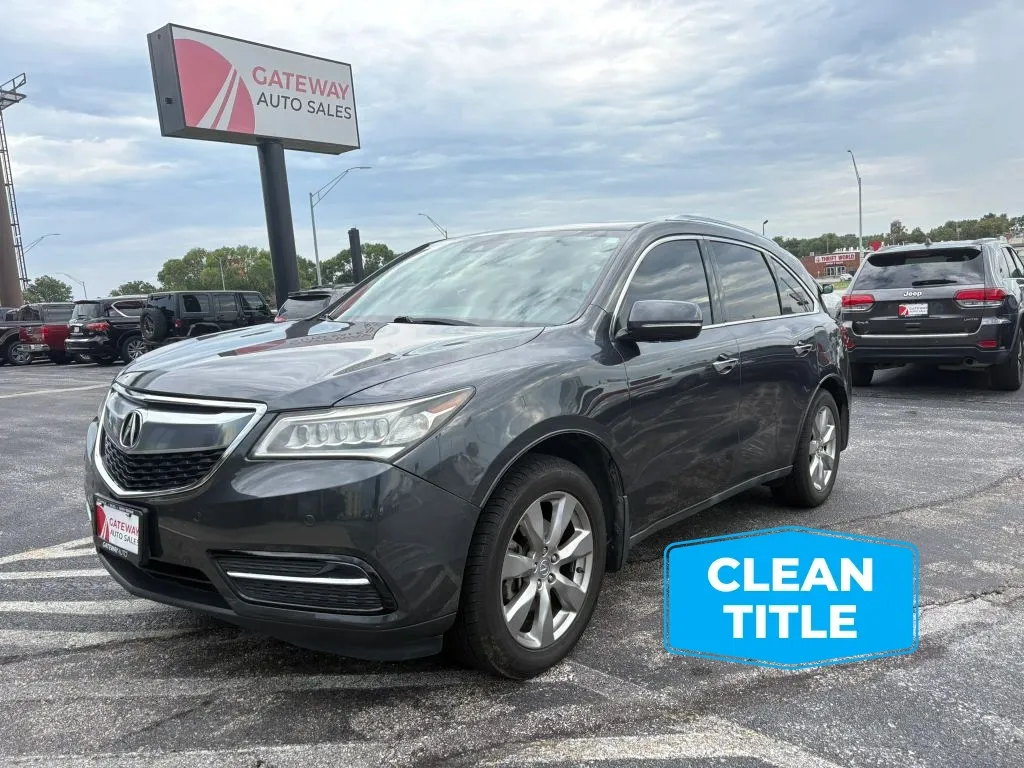
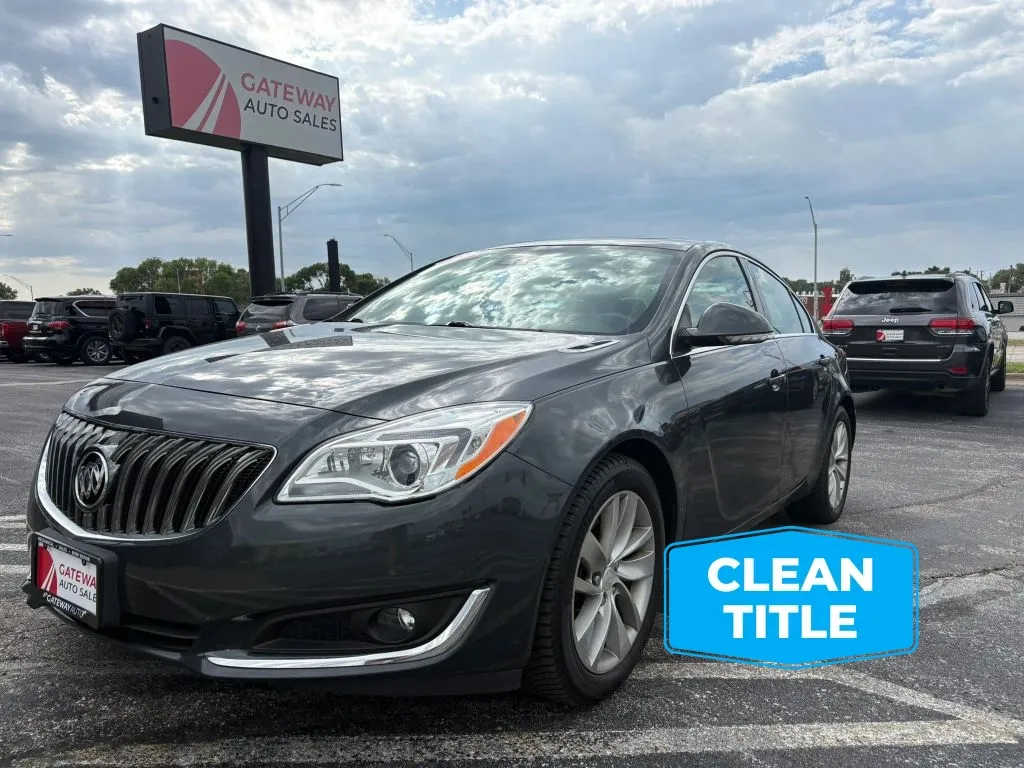
We're not a franchise dealer, which means we don't offer manufacturer CPO programs. What we do offer is something we think matters more at our price point: every vehicle on our lot goes through an inspection process before it gets a price tag. We check for salvage history, frame damage, and mechanical issues — and if something doesn't pass, it doesn't get listed.
Every vehicle comes with a free CarFax report so you can see the history yourself. And because Gateway Auto is part of the Gateway Auto family — which includes a full service and collision center — any pre-delivery repairs are handled in-house before you take delivery.
If you have questions about the warranty situation on a specific vehicle, ask us directly. We'll tell you exactly what's there, what isn't, and what your options are for additional coverage. No runaround.
Ready to find a vehicle you can trust? View our current inventory or stop by our Omaha location.