Stop Overpaying with These Current Auto Loan Benchmarks
Why Your Auto Loan APR Matters More Than Your Monthly Payment
Finding a competitive auto loan APR is one of the most important moves a buyer can make before signing anything. A difference of just two or three percentage points can mean thousands of dollars over the life of a loan, but plenty of buyers do not see that number until they are already at the desk.
Here are the current benchmarks for what counts as a competitive auto loan APR in 2026, based on Q4 2025 Experian data:
New Car APR Benchmarks by Credit Tier (Q4 2025)
- Superprime (781-850): around 4.66%
- Prime (661-780): around 6.27%
- Nonprime (601-660): around 9.57%
- Subprime (501-600): around 13.17%
- Deep subprime (300-500): around 16.01%
- Overall average (new car): 6.37%
Used Car APR Benchmarks by Credit Tier (Q4 2025)
- Superprime (781-850): around 7.70%
- Prime (661-780): around 9.98%
- Nonprime (601-660): around 14.49%
- Subprime (501-600): around 19.42%
- Deep subprime (300-500): around 21.85%
- Overall average (used car): 11.26%
If an offer is near or below those numbers for the relevant credit tier, it is generally in decent shape. If it is noticeably higher, that is worth addressing before anything gets signed.
Rates have climbed since the low-rate years of 2021 and 2022. Back then, excellent-credit buyers could sometimes find new car loans under 3%. Now, even well-qualified buyers often see rates in the mid-to-upper single digits. That shift makes benchmarks more useful and comparison shopping more important.
This guide breaks down what those numbers mean, what pushes them up or down, and how to use them as a real negotiating tool.
What Is a Good APR for Car in 2026?
In 2026, a good rate depends mostly on three things: credit score, whether the vehicle is new or used, and loan term. There is no one magic number that fits everybody.
For buyers with top-tier credit, a competitive APR is often in the 4% to 7% range on many auto loans, depending on vehicle type and term. For average-credit borrowers, a rate in the high single digits may still be normal. For challenged credit, rates can move into the teens quickly.
That is why benchmarks matter. A buyer should not compare a 620-credit used-car loan to a 790-credit new-car promotion and assume something went wrong. That is like comparing a bicycle to a snowblower. Both have wheels. That is about where the similarity ends.

What APR actually means on an auto loan
APR stands for annual percentage rate. On an auto loan, it reflects the yearly cost of borrowing, including the interest rate and certain lender fees.
That makes APR different from a simple interest rate.
- Interest rate is the base cost charged on the borrowed money.
- APR is the fuller number used for comparison because it rolls in interest and some financing costs.
When two loans have the same payment but different fees, APR helps show which one is actually cheaper. That is why comparing APR instead of just monthly payment matters so much.
A lower monthly payment can hide a more expensive loan if:
- the term is stretched out longer
- fees are added to the balance
- the lender rate is higher than average for that credit tier
What counts as a good APR by credit score
Using current market data as a guide, these are realistic ways to think about a competitive car loan APR in 2026:
- Excellent or superprime credit: roughly mid-4% to mid-7% can be competitive, depending on new vs. used and term length
- Good or prime credit: roughly 6% to 10% is often where many borrowers land
- Fair or nonprime credit: high single digits to mid-teens may be normal
- Poor or subprime credit: teens are common, especially on older used vehicles
Older benchmark data from 2022 was much lower. At that time, average rates were about 4.07% for new cars and 8.62% for used cars, with excellent-credit borrowers around 2.96% new and 3.68% used. Those numbers are useful for perspective, but they are not the market buyers are dealing with now.
New vs. used car APR benchmarks most shoppers should expect
Used car APRs are usually higher than new car APRs. That pattern holds across credit tiers.
Why? Lenders generally see used vehicles as riskier collateral because they have:
- more age and mileage
- more repair uncertainty
- faster risk of value dropping below loan balance
- less manufacturer support than new vehicles
Recent market context supports that gap. Q4 2025 averages came in around 6.37% for new and 11.26% for used. Other 2025 reporting also showed used rates well above new rates, with June 2025 averages around 6.80% for new and 11.54% for used. March 2026 market snapshots were still roughly near 7% for new and 11% for used.
For shoppers who want another benchmark source, Edmunds tracks recent APR trends for new and used vehicles.
Why the APR You Get Can Be Higher or Lower Than Average
Average rates are useful, but they are not guarantees. Two buyers can apply for the same amount on the same day and still get very different APRs.
That is because lenders price risk, not just vehicles.
The biggest approval factors lenders look at first
The first thing lenders usually review is credit profile. That includes more than the score itself.
They may look at:
- payment history
- current debt load
- debt-to-income ratio
- income stability
- length of credit history
- prior auto loan history
- recent delinquencies, collections, or repossessions
- residence and employment stability
A buyer with a decent score but several recent late payments may not price as well as someone with a similar score and a cleaner history. Lenders also want to know whether the payment fits the budget. If debt-to-income is too high, the APR may rise or approval may tighten.
How vehicle age, mileage, and loan amount affect pricing
Vehicle details matter too, especially on used cars.
Older vehicles and high-mileage vehicles may get higher rates because the lender's collateral is worth less and may be harder to resell if the loan defaults. Some lenders also add pricing adjustments for:
- older model years
- higher odometer readings
- very small loan amounts
- vehicles with limited book value support
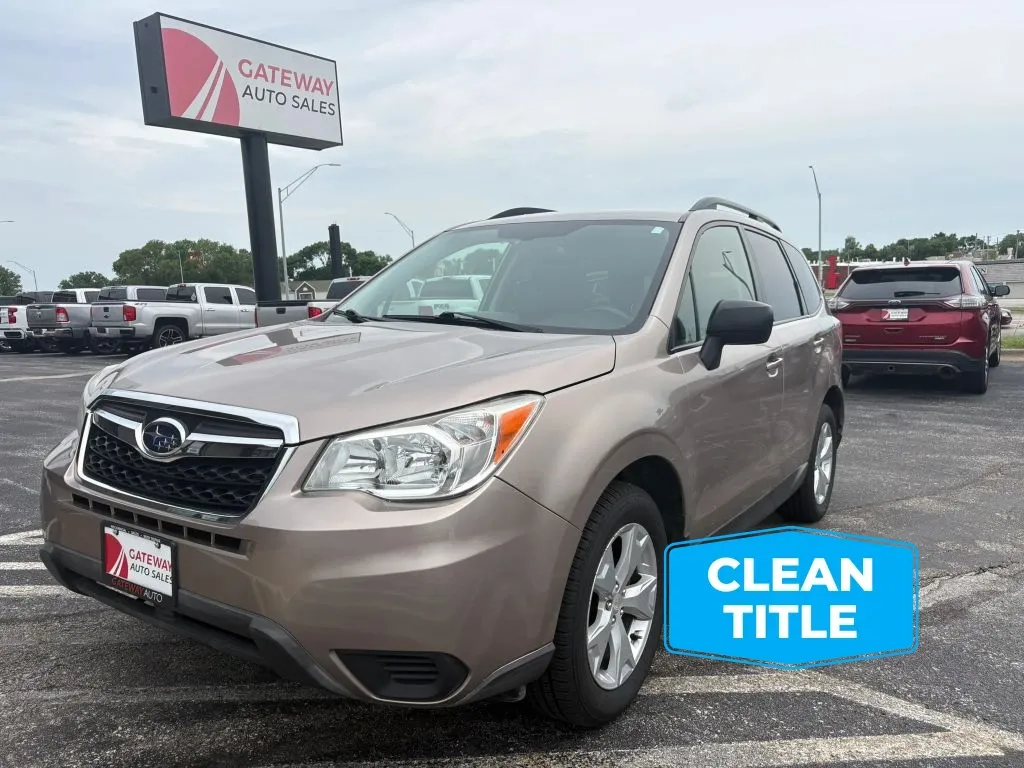
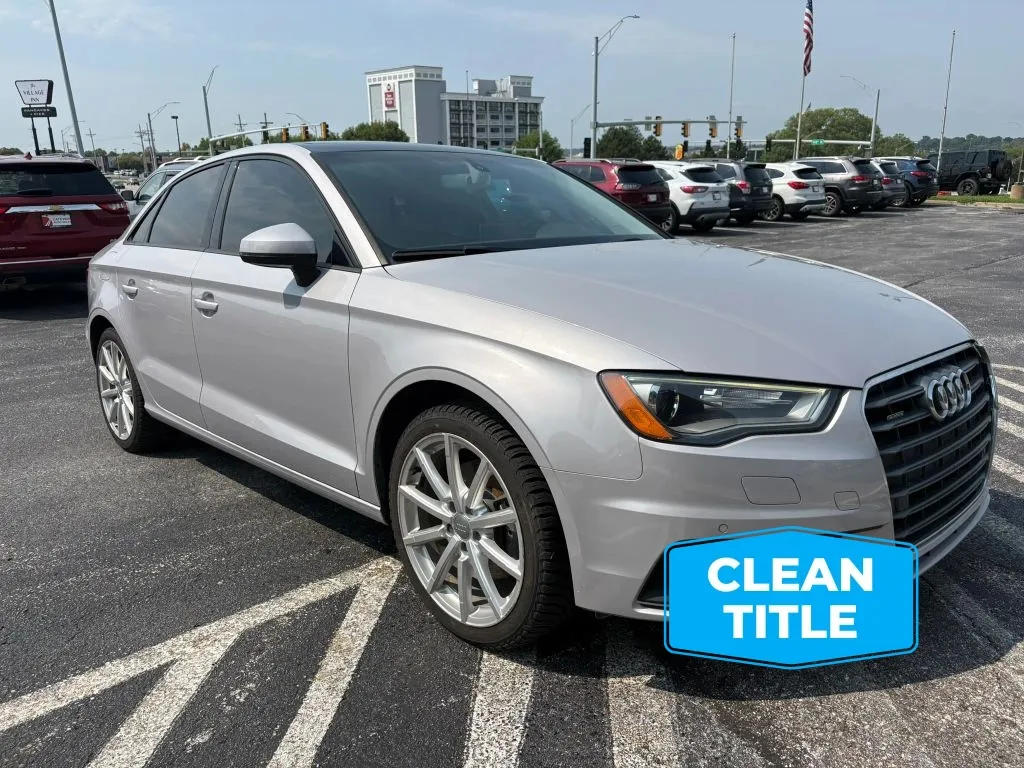
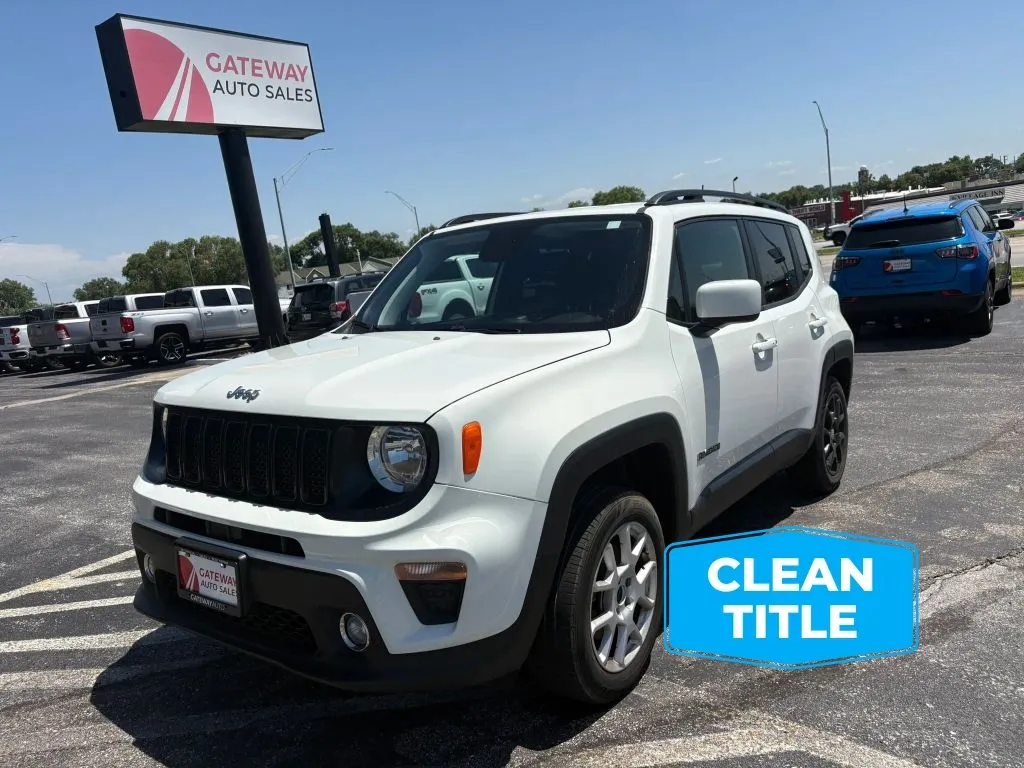
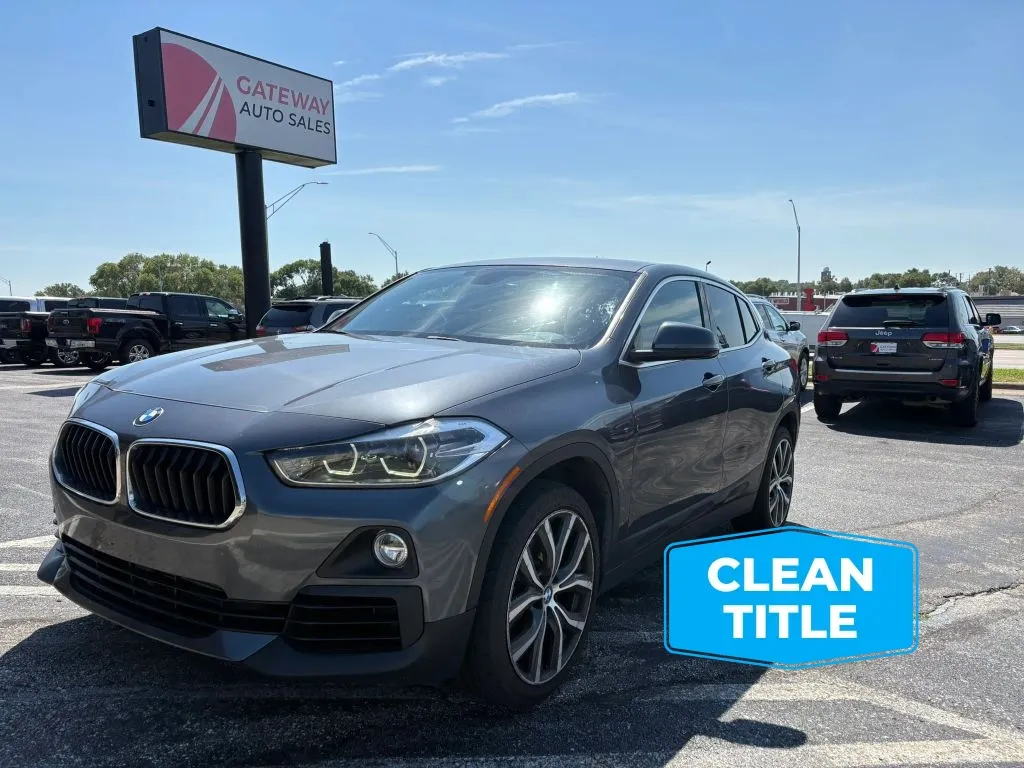
That is one reason clean-title, carefully inspected used vehicles matter. At Gateway Auto Sales in Omaha, vehicles are screened for major history issues like salvage or frame damage, and buyers can review a free CarFax report. That kind of transparency helps buyers understand what they are financing, not just what they are paying per month.
Why dealer-arranged financing, banks, and credit unions can price differently
Not all lenders price the same way.
Banks, credit unions, and Dealer-Arranged Financing networks may each weigh risk differently. One lender may be strongest for top-tier borrowers. Another may be more flexible with credit-challenged buyers. Another may care more about vehicle age. Third-party lenders such as Westlake may also have different approval models than a local bank or credit union.
That is why preapproval and comparison shopping matter. It helps to check more than one source within a focused shopping window. For broader market context, Experian's auto loan rates and financing guide is a useful benchmark resource.
Buyers who want a clearer picture of how the process works on a used vehicle can also review more info about used car financing.
What Is a Good APR for a Car on a 72-Month Loan? What's Competitive and What's Risky?
A 72-month loan can make a monthly payment easier to handle. That is the good news.
The less-fun news is that longer terms usually mean paying more interest overall, and they can leave a borrower upside down for longer. That means owing more than the vehicle is worth.
Picture a buyer stretching a loan just to make the payment fit. The payment looks friendlier. The total cost, not so much.
What is a competitive APR with a 72-month term?
For a 72-month loan, competitive ranges from the research look roughly like this for many borrowers financing a new vehicle:
- Excellent credit, 750+: about 4% to 5.5%
- Good credit, 700-749: about 5.5% to 7%
- Fair credit, 650-699: about 7% to 9%
- Poor credit, 600-649: 9% or more
Used vehicles often price higher than those ranges, especially if the vehicle is older or has more miles.
So is 7% good on a 72-month loan? It depends.
- For excellent credit on a newer car, 7% may be a little high
- For solid good credit, 7% may be reasonable
- For fair credit or a used vehicle, 7% may actually be pretty competitive
60 months vs. 72 months: lower payment, higher total cost
Longer terms reduce the monthly payment because the balance is spread over more months. But interest keeps running the whole time.
Even a small APR difference can add up over six years. A buyer should compare loans on the same amount financed, same down payment, and same vehicle price to see the real difference.
A longer term can also create extra risk because:
- the car may depreciate faster than the loan balance drops
- repair bills may show up while loan payments are still going
- trading out early can be harder if there is negative equity
When a longer loan term makes sense and when it usually doesn't
A 72-month loan can make sense when:
- the buyer has strong credit and gets a competitive APR
- the payment leaves room for emergency savings
- the vehicle is reliable and in solid condition
- a shorter term would strain the monthly budget too much
It usually makes less sense when:
- the rate is already high
- the buyer is rolling negative equity into the loan
- the vehicle is older and likely to need major repairs during the loan
- the term is being stretched only to afford more car than the budget supports
Plainly put, a long term can be a tool, but it should not become a disguise.
How to Compare APR Offers Without Getting Distracted by Monthly Payment
Monthly payment matters, of course. Rent, groceries, insurance, and the rest of adult life would like a word. But payment alone is not enough.
The right comparison uses the full loan structure.
The right way to shop multiple lenders in a short window
A smart approach is to shop lenders close together in time. Auto loan inquiries made within a focused rate-shopping window are often treated more favorably by scoring models than widely spaced applications.
A buyer should try to gather offers with:
- the same loan term
- the same down payment
- the same vehicle price or out-the-door amount
- the same approximate credit timing
Prequalification can help, especially when it uses a soft inquiry. That allows buyers to see likely offers before committing to a hard pull.
What to compare besides APR before signing
APR is the headline number, but not the only number.
A buyer should also review:
- total finance charge
- amount financed
- total of payments
- required down payment
- any lender fees
- add-on products rolled into the loan
- whether there is a prepayment penalty
If one loan has a lower APR but includes expensive extras in the balance, it may not be the better deal after all.
How special manufacturer financing fits into the picture
Promotional financing can be attractive, especially when rates are much lower than standard market offers. But those deals often come with trade-offs.
Sometimes the buyer has to choose between a low APR and a cash rebate. Sometimes the special rate only applies to certain trims or short terms. And sometimes only very well-qualified buyers get the advertised offer.
For current examples of market-wide promotions, shoppers can review best 0% APR car deals for May 2026 and luxury finance offers this month. Those pages are useful for seeing how promotions are structured, even though most used-car shoppers will be comparing standard financing instead.
How to Qualify for a Lower APR Before You Buy
The best time to improve a loan offer is before the application, not after signing papers and regretting everything in the parking lot.
Fast credit moves that can help before applying
A few short-term credit steps may help improve pricing:
- pay down revolving credit card balances
- dispute reporting errors on credit reports
- avoid opening new credit accounts right before applying
- set all current accounts to autopay or reminders to avoid late payments
- pay down existing loans if that improves debt-to-income
Credit utilization can move scores faster than many people expect. A borrower does not need a perfect profile to improve a rate, just a cleaner one.
How a larger down payment can reduce APR and total interest
A larger down payment can help in two ways.
First, it lowers the amount financed, which cuts total interest paid. Second, it may reduce loan-to-value ratio, which can make the deal less risky to the lender.
That can lead to:
- better approval odds
- a more competitive APR
- a lower monthly payment
- less risk of going upside down
Trade-in equity can help here too, if the trade is worth more than what is owed on it.
If the rate is too high now, what to do next
If the offered APR is well above benchmark, a buyer has options.
They can:
- wait and improve credit first
- choose a less expensive vehicle
- increase the down payment
- apply with a co-borrower if appropriate
- finance now only if necessary and plan to refinance later if credit improves
At Gateway Auto Sales, Dealer-Arranged Financing gives buyers access to third-party lenders, including options for credit-challenged situations such as Westlake. The goal is not to pretend every rate is great. It is to help buyers understand the options clearly and choose something they can live with six months from now, not just today.
Frequently Asked Questions About Getting a Good APR for a Car
Is 7% APR good for a car loan?
Sometimes yes.
For a borrower with fair credit, 7% can be a strong offer. For a used car, it can also be quite competitive. For a buyer with excellent credit financing a newer vehicle, 7% may be only average or slightly high.
Term matters too. On a 72-month loan, 7% may be more acceptable than it sounds for a mid-tier borrower. On a short-term loan for a top-tier borrower, there may be room for better.
Why are used car APRs usually higher than new car APRs?
Used vehicles usually get higher APRs because lenders see more risk.
The main reasons are:
- older vehicles tend to have more repair uncertainty
- used cars generally have lower collateral value
- depreciation and resale value can be less predictable
- used-car borrowers, on average, may have weaker credit profiles than new-car borrowers
That risk gets priced into the loan.
Can a borrower refinance if the current APR is too high?
Yes, sometimes refinancing can help.
It may make sense when:
- credit score has improved since the original loan
- market rates have dropped
- income or debt-to-income has improved
- the vehicle still has enough value to qualify
A buyer should compare the new APR, loan fees, and remaining term to make sure refinancing actually saves money. Stretching the loan out again can lower the payment but increase total cost, so the math still matters.
Conclusion
A good APR for a car is not just "the lowest number someone saw online." It is the rate that makes sense for that buyer's credit profile, vehicle, term, and total budget.
The basic checklist is simple:
- know the benchmark for the credit tier
- compare APR, not just payment
- keep loan terms realistic
- review total finance charges
- avoid paying extra for a rate that is not actually competitive
For Omaha-area shoppers looking at a used vehicle, Gateway Auto Sales focuses on clean-title inventory, free CarFax reports, pre-delivery repairs, and straightforward dealer-arranged financing options. That helps buyers judge the whole deal, not just the sales pitch.
For a deeper look at the financing process, visit more info about used car financing.