Selling a Car with Cosmetic Damage in Omaha
Table of Contents
Selling a Car with Cosmetic Damage in Omaha
Selling a car with cosmetic damage can feel frustrating, especially when the vehicle runs well but has scratches, dents, faded paint, or bumper wear that buyers notice right away. Exterior flaws don't always mean a car is unsafe or unreliable, but they can change how people view its value.
For Omaha drivers, weather, road debris, parking lot dings, hail, salt, sun exposure, and normal daily use can all leave marks over time. A few cosmetic imperfections are common on used cars, but visible damage can still affect the selling price, the number of buyers who show interest, and how much negotiation you should expect.
Gateway Auto Sales works with local drivers across Omaha, Bellevue, Papillion, La Vista, Council Bluffs, Fremont, and nearby communities. Our team understands that every car has a story. Some vehicles need small repairs before sale, while others make sense to sell as-is. The right choice depends on the car’s condition, repair cost, market demand, and your timeline.
What Cosmetic Damage Means for Your Car
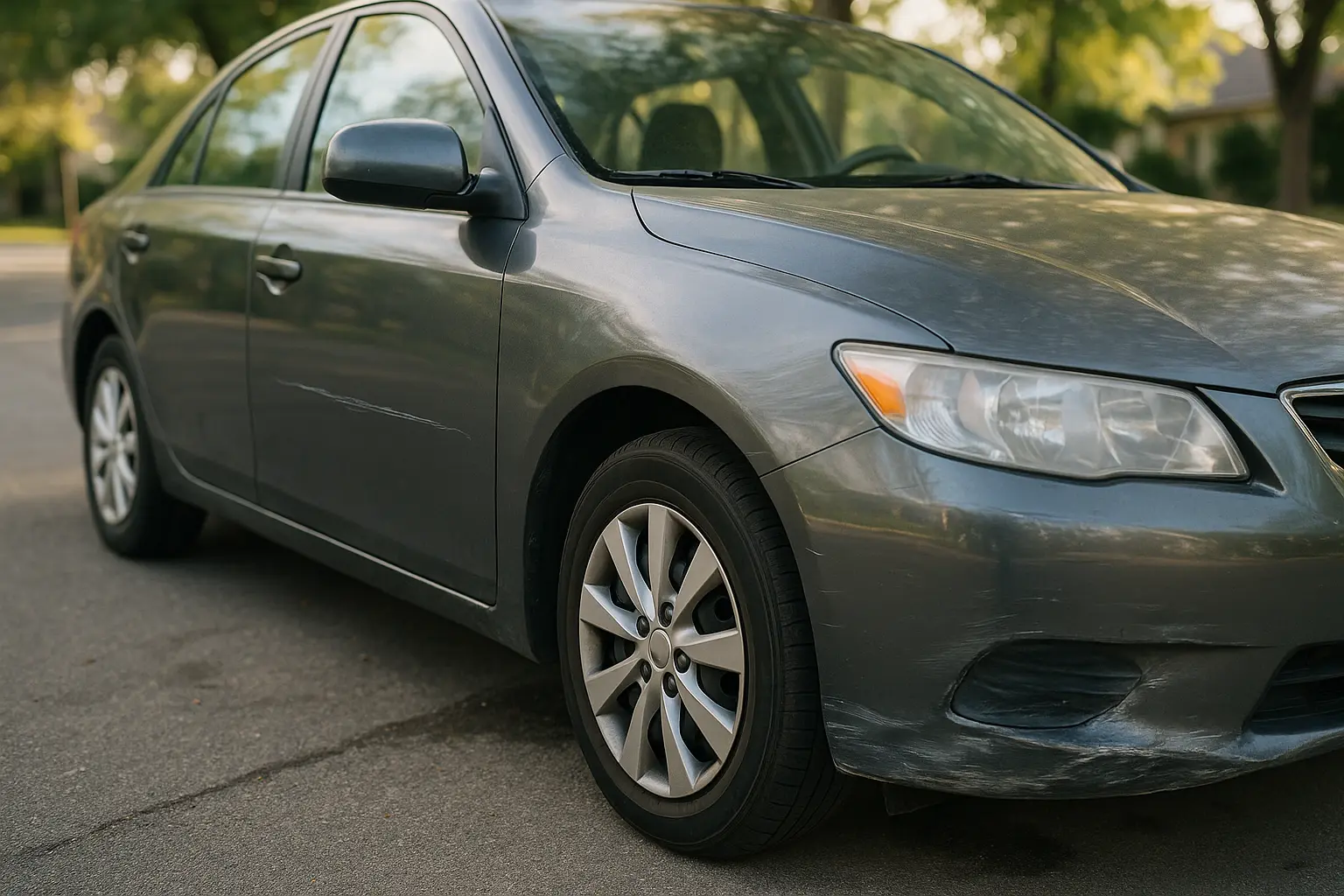
Cosmetic damage refers to flaws that affect how a car looks rather than how it drives. These issues are usually visible on the exterior, but some interior wear may also influence buyer interest. Scratches, dents, paint chips, faded clear coat, cracked trim, cloudy headlights, and wheel scuffs all fall into this category.
In many cases, damage is mostly cosmetic. A door ding may not affect safety. A scratched bumper may not change performance. A faded hood may not impact reliability. Still, car appearance matters because buyers often use visible condition as a shortcut for judging how well the vehicle has been cared for.
A clean, well-maintained car with one small dent may still attract strong interest. A vehicle with several panels showing wear, mismatched paint, rust, or signs of a previous accident may raise more questions. Buyers may wonder whether the cosmetic issues point to deeper body, frame, or maintenance concerns.
That doesn't mean you need to fix every flaw. It does mean you should understand what each issue says to a buyer. Clear communication builds trust and helps prevent last-minute negotiation surprises. When you are upfront about damage, buyers can focus on the full picture, including mileage, service history, title status, mechanical condition, and price.
At Gateway Auto Sales, we focus on a straightforward, no-pressure process. Whether you want to sell it, trade it, or prepare it for sale, our team can help you understand how visible flaws fit into the vehicle valuation.
How Exterior Flaws Affect a Car's Value
Cosmetic damage can reduce resale value because it changes both the buyer’s first impression and the cost they expect after purchase. A buyer may like the model, mileage, and features, but still lower the offer if repairs are likely.
The size, location, and type of damage all matter. A small scratch near the lower bumper may not affect the sale much. A large dent across a door or quarter panel may reduce interest because it's harder to overlook. Paint problems also vary. Light swirl marks may buff out, while peeling clear coat or mismatched panels may require repair work.
A dealership or private buyer may factor in the following:
- How visible the damage is from a normal walking distance
- Whether the flaw suggests an accident or only normal wear
- The estimated cost of repairs, paint, parts, or labor
- Whether insurance may have been involved
- How the vehicle compares with similar cars for sale nearby
- Whether the title, service records, and mechanical condition support the asking price
Here is a general look at how common cosmetic issues may affect buyer response:
| Cosmetic issue | Buyer concern | Possible effect on value |
|---|---|---|
| Light surface scratches | Normal wear, may be easy to buff | Small reduction or little impact |
| Deep scratches through paint | Rust risk, repair may require paintwork | Moderate reduction |
| Small door dings | Common parking lot wear | Small to moderate reduction |
| Large dented panel | Possible neglect or accident history | Moderate to larger reduction |
| Faded clear coat | Age, sun exposure, repaint concerns | Moderate reduction |
| Cracked bumper or trim | Repair may require parts and labor | Moderate reduction |
| Cloudy headlights | Safety appearance, lower curb appeal | Small to moderate reduction |
| Rust near wheel wells or doors | Spreading corrosion concern | Larger reduction |
| Curbed wheels | Cosmetic wear, careless driving concern | Small reduction |
No table can give an exact number for every car. A newer vehicle with high-value features may lose more from visible flaws than an older commuter car where buyers expect wear. A rare or in-demand model may still bring strong offers. A common vehicle with several similar listings nearby may need a lower price to stay competitive.
The goal is not to hide flaws. The goal is to price the car fairly, explain the condition clearly, and avoid wasting time with buyers who expect a spotless vehicle.
What Omaha Buyers Notice First
Omaha buyers tend to look at a used car from two angles: how it looks today and what it may cost tomorrow. A few small cosmetic issues may be acceptable, but buyers usually notice anything that is visible before the test drive.
Paint matters because it's one of the first things people see. Chips, fading, scratches, and mismatched panels can make a car look older than it is. Dents can also affect confidence, especially when they're on doors, fenders, quarter panels, or bumpers. Rust is often treated with extra caution because Nebraska weather can make corrosion worse over time.
Headlights, wheels, mirrors, and trim also shape the first impression. Cloudy headlights may make a car look neglected. Scuffed wheels may suggest curb contact. Missing trim can make the vehicle feel less cared for even if it drives well.
If you’re selling privately, cosmetic issues can make the process longer. Shoppers on Craigslist, social media, and online marketplaces often compare several listings at once. Photos with visible damage may lead to fewer messages. In-person buyers may use every flaw as a reason to lower the offer.
A dealership appraisal looks at the same kinds of details, but the process is usually faster. The car’s age, mileage, condition, title history, market demand, and repair needs are weighed together. That can be helpful when you want a clear answer without fielding calls, setting appointments, and negotiating with strangers.
Buyers don't expect every used car to look new. They do expect the condition to match the price. When your photos, description, and asking price line up with the car’s actual condition, the sale feels smoother for everyone.
Should You Repair the Damage or Sell As-Is?
The decision to fix cosmetic car damage before sale depends on whether the repair will add enough value to be worth the time and money. Some repairs help. Others cost too much compared with the increase in sale price.
Small touch-ups can make sense when they improve the first impression at a reasonable cost. Examples may include buffing light scratches, replacing a cracked mirror cap, restoring cloudy headlights, cleaning stained upholstery, or repairing a small dent. These updates may help the car photograph better and attract more buyers.
Larger repairs need more caution. Paintwork, bumper replacement, dent repair across multiple panels, rust treatment, or body work can add up fast. If the repair cost is close to the amount you hope to gain, selling as-is may be the better route.
Ask yourself these questions before spending money:
- Will the repair make the car noticeably easier to sell?
- Is the damage limited to one area, or spread across the vehicle?
- Would a buyer still negotiate even after the work is done?
- Do you have time to wait for parts, paint, or body shop scheduling?
- Could the same money be better used toward your next vehicle?
For many sellers, honesty and fair pricing work better than trying to make an older car look perfect. A buyer may appreciate knowing exactly what they're getting. A dealership can also account for repairs during appraisal, which may save you the hassle of managing the work yourself.
Gateway Auto Sales has a related service and collision presence in the Omaha and La Vista area, which gives local drivers a convenient way to talk through options. If a simple repair may help your outcome, our team can point you in the right direction. If selling as-is is the better move, we can help you understand what that may mean for your offer.
How to Prepare for a Smoother Sale
A car with visible damage can still make a good impression when it's clean, organized, and represented honestly. Preparation helps buyers see the vehicle beyond the flaws.
Start with a wash and interior cleaning. Dirt can make scratches look worse. Clutter can make the car feel poorly maintained. Clean windows, vacuumed floors, wiped surfaces, and clear photos can improve buyer confidence without major spending.
Next, gather records. Service receipts, tire information, oil change history, title details, and repair records help show that the car has been maintained. If there was an accident, be ready to explain what happened and what was repaired. If insurance handled any work, keep related documentation available.
Good photos matter, especially when you're selling online. Take pictures in daylight from several angles. Show the front, rear, sides, wheels, interior, odometer, tires, and any visible damage. Hiding flaws may lead to wasted appointments or lower offers later.
Use a clear description. Mention the main positives, such as reliable transportation, clean interior, newer tires, recent service, strong fuel economy, or useful features. Then state the visible flaws in plain language. For example, “The car has a dent on the passenger door and scratches on the rear bumper, shown in photos.”
Before you set a price, compare similar vehicles in Omaha with close mileage, age, trim, and condition. Don't compare a damaged car with the cleanest listing online unless the price reflects the difference. A realistic price can bring better leads and fewer low offers.
Gateway Auto Sales can help with a simple, local appraisal if you want to skip the private sale process. You can talk with our team about your car, review its condition, and get a fair path forward without pressure. For many Omaha drivers, that saves time and removes the stress of meeting buyers, answering repeated questions, and negotiating over every scratch or dent.
What to Know before You Sell a Car with Cosmetic Damage
Many Omaha sellers want to know whether exterior flaws should be repaired before sale or disclosed and priced into the offer. The answer depends on the type of damage, the car’s age, mileage, repair cost, and how quickly you want to sell.
Minor cosmetic repairs may help when they are affordable and make the car look better right away. Buffing light scratches, restoring cloudy headlights, replacing a small trim piece, or fixing a small dent can improve first impressions. Larger repairs may not pay off if the cost is close to the added resale value. If the vehicle has several flaws, selling as-is with honest pricing may be the smarter choice.
Cosmetic damage usually includes visible flaws that affect appearance rather than drivability. Scratches, dents, paint chips, faded paint, cracked trim, cloudy headlights, worn upholstery, wheel scuffs, and bumper wear are common examples. These issues may not change how the car runs, but they can affect buyer confidence and the offer you receive.
The amount cosmetic damage lowers value varies from one vehicle to another. Light scratches may have little impact. Large dents, rust, peeling paint, or signs of an accident can reduce offers by a larger amount because buyers often factor in future repairs. A local appraisal gives you a clearer idea of what your car is worth in the Omaha market.
Before asking for an offer, clean the car, take clear photos, gather service records, write down known issues, and be upfront about visible damage. A prepared seller usually gets a smoother appraisal and fewer surprises.
Gateway Auto Sales can help Omaha drivers review sale and trade options for used vehicles, including cars with exterior flaws. Reach out to our team with details about your vehicle’s condition, mileage, title, and current damage. We can help you decide whether repairs or an as-is sale makes the most sense.