Questions to Ask before Buying a Used Truck
A used pickup can serve very different roles. One buyer may need dependable transportation for a daily commute, while another needs enough payload for tools, towing ability for a camper, or room for a family. Knowing the right questions to ask before buying a used truck can make it easier to compare those needs with the condition, history, and capabilities of each vehicle.
Mileage and price matter, but they do not tell the full story. Buyers should also look at previous ownership, maintenance, towing history, mechanical condition, rust, repair work, and the costs likely to come after the purchase. In Omaha, shoppers comparing available used pickups should also consider winter weather, road salt, potholes, temperature swings, and regular work use, since these conditions can leave signs that deserve a closer look before a decision is made.
Start with the Truck's Vehicle History and History Report
One of the first questions should be, "Where was this used truck sourced?" A pickup may have arrived through a trade-in, auction, lease return, fleet program, or previous private-party sale. The source alone doesn't determine whether the truck is a good purchase, but it can help buyers better understand its history and current condition.
Ask how many owners the truck has had and where it was registered. A pickup that spent years in a snowy climate may deserve closer inspection for corrosion. A truck previously used by a commercial fleet may have seen highway miles, jobsite use, or frequent idling, while another may have spent most of its life commuting, carrying a family, or towing recreational equipment. Comparing that history with the truck's condition and records gives buyers a clearer picture without relying on assumptions.
A vehicle history report can help fill in that picture. Buyers should review reported ownership changes, mileage entries, title information, registration history, reported maintenance, recalls, and accident records.
A clean history report shouldn't replace an inspection. Not every repair or maintenance visit is reported to vehicle-history databases. Likewise, damage history doesn't automatically make a secondhand truck unsuitable. The type of damage, quality of repairs, affected area, and current condition matter.
Before moving forward, shoppers can ask:
- How many owners has the truck had, and where was it previously registered?
- Was it mainly used for commuting, commercial work, towing, or another purpose?
- Does the history report show accidents, mileage inconsistencies, title issues, or major repairs?
- If an accident was reported, what parts of the truck were damaged and how were they repaired?
- Are invoices, repair photos, or other documentation available?
- Are there any unresolved recalls that apply to the truck?
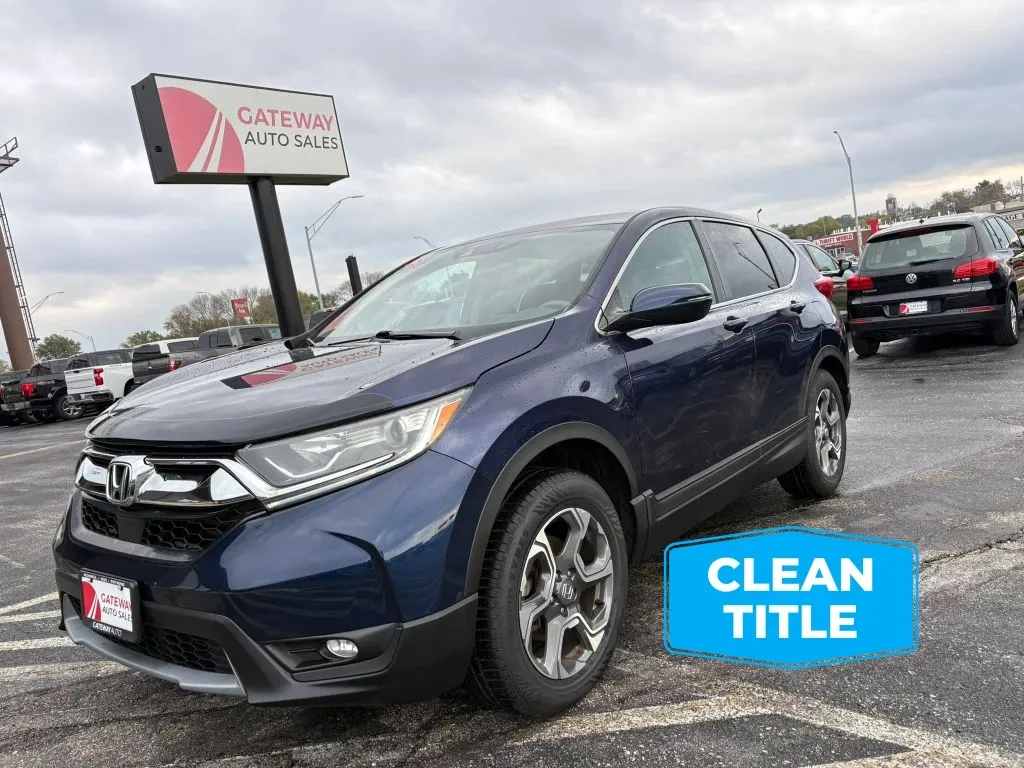
Gateway Auto Sales provides a transparent, low-pressure buying experience, with a free vehicle history report available for vehicles offered for sale. Buyers can also review clear title-status information before making a purchase decision.
Ask About Service History and Maintenance Records
"Are any service records included?" is another useful question because maintenance records can reveal information that isn't obvious from a walkaround or short test drive.
A well-kept folder of receipts may show regular oil changes, tire rotations, brake work, coolant service, battery replacement, suspension repairs, and other routine care. Digital service history can provide similar information. Some trucks will have detailed documentation, while others may have only scattered records.
Missing documentation doesn't prove that maintenance was neglected. Previous owners may have performed basic work themselves, visited shops that don't report service history, or failed to keep receipts. Buyers should view the records alongside the truck's current condition, mileage, inspection findings, and history report.
Truck-specific maintenance deserves extra attention. Depending on how the pickup was used, useful records may include transmission service, differential fluid changes, brake system repairs, cooling-system maintenance, suspension work, and service performed on towing equipment.
For a used Ford, Chevrolet, GMC, Ram, Nissan, or another pickup, maintenance intervals can vary based on engine, drivetrain, model year, and use. The manufacturer's maintenance schedule can help buyers compare documented service with what should have been completed by the current mileage.
Records can also help estimate upcoming expenses. If tires, brakes, fluids, or other wear items are approaching replacement, those costs should be considered alongside the sale price.
| Item to Review | What to Look For | Why It Matters |
|---|---|---|
| Oil and routine service | Consistent dates and mileage | Shows whether basic maintenance appears to have been performed regularly |
| Transmission and drivetrain | Fluid service, repairs, leaks | Particularly relevant for trucks used for towing or heavy loads |
| Brake system | Pads, rotors, fluid, recent repairs | Helps identify upcoming wear-related costs |
| Tires | Replacement dates, rotations, uneven wear | Uneven wear may point to alignment, suspension, or tire-pressure issues |
| Cooling system | Coolant service, hoses, water pump work | Heavy loads can place greater demands on cooling components |
| Suspension | Shocks, struts, steering, ball joints | Work and towing use can accelerate wear |
| Recent repairs | Parts replaced and repair dates | Helps separate completed work from expenses that may be approaching |
Service history should be considered alongside the truck's present condition. Incomplete paperwork doesn't automatically indicate poor care, but it can make an inspection and a close review of the available records even more useful.
Check Damage History, Rust, Accident Repairs, and Frame Problems
A pre-purchase inspection should go well beyond looking at paint and checking whether the interior is clean.
Rust deserves particular attention on trucks that have spent years in Nebraska or other areas where winter weather and road treatments are common. Examine rocker panels, cab corners, wheel arches, door bottoms, the bed, underbody components, and accessible frame areas.
Light surface oxidation on exposed metal parts can occur as a vehicle ages. Deep corrosion, flaking metal, holes, weakened mounting areas, or deterioration near brake lines and suspension points are good reasons to have a qualified technician take a closer look.
Fresh undercoating or recently applied paint on one isolated area isn't proof of a problem, but it is reasonable to ask why the work was performed.
Accident repairs should also be checked carefully. Look for paint that doesn't quite match, different textures between panels, overspray on trim or rubber seals, inconsistent panel gaps, unusual welds, and lights or body panels that appear misaligned.
The frame matters particularly on a pickup because the truck may have carried heavy cargo, pulled trailers, or spent time on rough roads and jobsites. Visible bends, unusual repair work, severe corrosion, or signs of previous structural repairs are worth discussing with a qualified technician before moving forward.
Doors, the hood, and the tailgate should open, close, and latch normally. Check the bed alignment against the cab and look at the truck from several angles on level ground.
An independent pre-purchase inspection can provide information that isn't available from appearance alone. A technician can examine the underside, steering, suspension, fluid leaks, brakes, tires, exhaust, engine components, and other areas that may be difficult for a shopper to assess on the lot.
Use the Test Drive to Check How the Truck Feels
A test drive isn't simply a chance to decide whether a truck feels comfortable. It gives the buyer time to watch, listen, and test how major systems behave under normal driving conditions.
Start the truck from cold when possible. Some noises, smoke, warning lights, or starting issues may be easier to notice before the engine has warmed up.
Once running, check that warning lights illuminate as expected during startup and then turn off. Listen for unusual knocking, ticking, squealing, rattling, or exhaust noises.
The transmission should shift predictably during light and firmer acceleration. Delayed engagement, harsh shifts, slipping, or unusual vibration deserves further investigation.
Try a route that includes typical Omaha city streets along with faster roads when practical. The truck should track straight without constant steering correction. The steering shouldn't feel excessively loose, and the vehicle shouldn't wander or vibrate at speed.
Brake from several speeds in a safe setting. Pulling to one side, pedal pulsation, grinding, or unusually long stopping distances can indicate wear or repairs that need attention.
Pay attention over bumps as well. Clunks, rattles, repeated bouncing, or steering movement may point toward suspension or steering wear.
Inside the cab, operate the equipment a buyer expects to use. Test heating and air conditioning, windows, locks, infotainment, cameras, seat adjustments, lights, and available driver-assistance features.
If four-wheel drive is important, buyers should confirm how the system operates and ask whether it can be tested appropriately. The same applies to trailer-brake controllers, towing modes, bed outlets, and other truck-specific equipment.
Shoppers can browse Gateway Auto Sales’ current truck inventory online, then visit the dealership to see selected vehicles in person and take a test drive.
Match Towing, Payload, Seating, and Costs to Actual Use
A pickup that performs well mechanically can still be the wrong truck if its configuration doesn't suit the buyer's needs.
Start with how the truck will be used day to day. A commuter who occasionally carries home-improvement supplies has different requirements from a contractor hauling tools every day or a family towing a camper several weekends each summer.
For towing, don't rely on a model name alone. Capacity can change based on engine, transmission, axle ratio, drivetrain, cab, bed length, tow package, and other equipment. Buyers should verify the specifications for the individual truck and compare them with the loaded weight of the trailer they intend to pull.
Payload is equally important. Passengers, tools, cargo in the bed, accessories, and trailer tongue weight all contribute to the load carried by the truck. The door-jamb labels and manufacturer information can help clarify the ratings for a specific vehicle.
GVWR, or Gross Vehicle Weight Rating, indicates the maximum allowable loaded weight of the vehicle. That rating shouldn't be confused with towing capacity.
Cab configuration and seating should fit everyday use too. Crew cabs generally provide greater rear-seat room, while smaller cabs may provide a different balance of passenger and bed space depending on the configuration.
Fuel use, tire replacement, insurance, routine maintenance, and expected repairs should be included in the budget. A larger or more heavily equipped truck may offer additional capability but can also bring higher ownership expenses.
For buyers comparing financing options, the monthly payment is only one part of affordability. Gateway Auto Sales works with multiple lenders to provide financing options for a range of credit situations. Buyers can also prepare for the purchase by reviewing to discuss price and value before sitting down to finalize the deal. The business also operates service and collision facilities within the larger Gateway Auto organization, giving customers access to sales and repair support under the same brand.
Shoppers can also compare several vehicles rather than becoming attached to the first truck that appears suitable. Price, mileage, condition, maintenance history, configuration, features, and expected ownership costs can look very different between otherwise similar pickups.
Shop for a Used Truck with Gateway Auto Sales
A confident buying decision comes from looking at the whole vehicle rather than focusing on price or mileage alone. History, maintenance, condition, inspection findings, driving behavior, capability, and ownership costs all help buyers understand whether a truck is a good fit for their needs.
Gateway Auto Sales offers used trucks in Omaha alongside cars, SUVs, and other vehicles, with current inventory available to review online. Vehicles are inspected and reconditioned by Gateway Auto Sales’ service team, with mechanical service and collision repair support also available through the broader Gateway Auto organization.
Omaha shoppers who have narrowed down their needs can review available trucks, compare specifications and pricing, ask questions, and arrange a test drive without feeling rushed into a decision. Taking the time to inspect the vehicle and understand how it fits daily driving, family needs, towing plans, work demands, and budget can make the buying process feel simpler and more comfortable.