How to Negotiate the Price of a Used Truck
Buying a used pickup gives shoppers access to capable trucks without paying new-vehicle pricing, but the advertised price is only one part of the decision. Learning how to negotiate the price of a used truck starts with understanding the local market, checking the specific vehicle carefully, and knowing what the full purchase will cost.
Preparation also makes the negotiation easier. A shopper who knows the truck's approximate market value, condition, mileage, equipment, and ownership history has useful information to support an offer. The same applies to financing. Looking beyond the monthly payment makes it easier to judge whether the overall deal fits the buyer's budget.
For Omaha shoppers comparing pickup options, the goal is to understand what a particular truck is worth and reach a purchase price that reflects its condition and the terms of the transaction. Whether someone is buying a first truck, replacing a family vehicle, or upgrading for work or daily driving, a calm and informed approach can make the process feel easier and more manageable.
Set a Target Price Using the Fair Market Value
Before making an offer, a buyer needs a realistic target price. That number should come from comparable trucks rather than a general assumption about how much a dealer should discount a vehicle.
Start by looking at trucks for sale around Omaha with the same model year, trim, drivetrain, cab configuration, engine, and similar mileage. A four-wheel-drive crew cab shouldn't automatically be compared with a two-wheel-drive regular cab simply because the trucks share a model name.
Condition matters too. Two trucks with similar miles can have noticeably different values if one has documented maintenance, newer tires, a cleaner interior, desirable equipment, or fewer cosmetic issues.
Online pricing resources can provide another reference point, but buyers should still compare actual vehicles available in their area. The fair market range is a starting point for negotiation, not a fixed price that every truck must match.
A useful comparison should consider:
- Model year, trim, engine, drivetrain, cab, and bed configuration
- Mileage and overall mechanical and cosmetic condition
- Maintenance and ownership history
- Accident or damage history when available
- Tires, brakes, towing equipment, technology, and other features
- Prices for similar trucks currently offered in the Omaha area
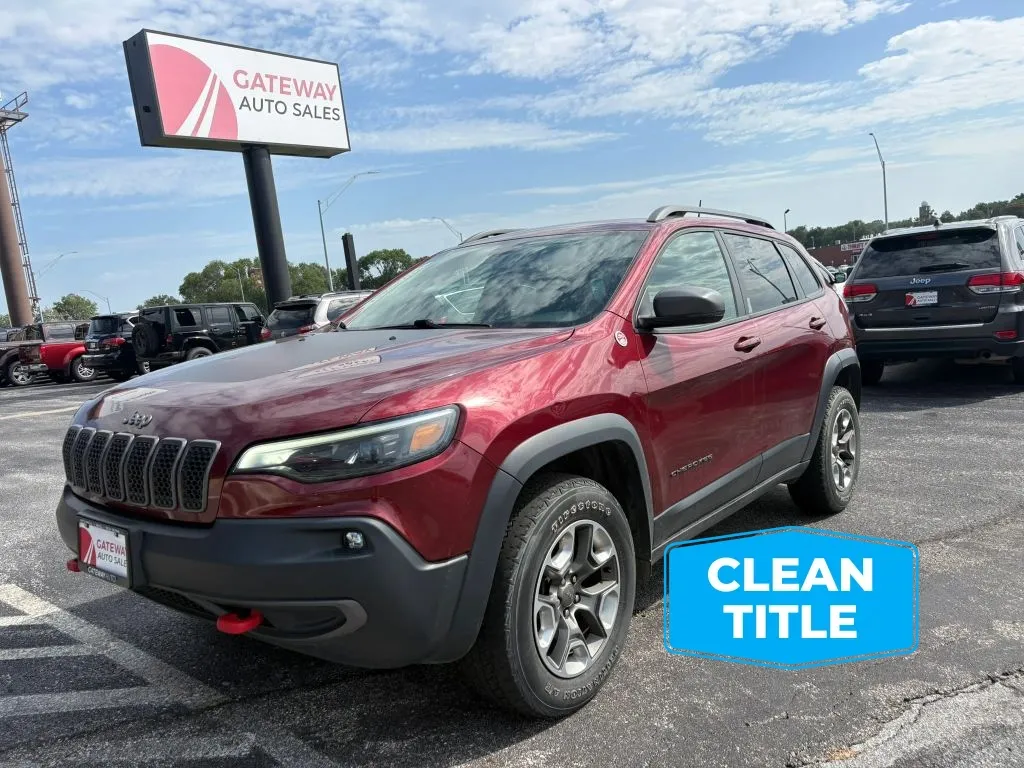
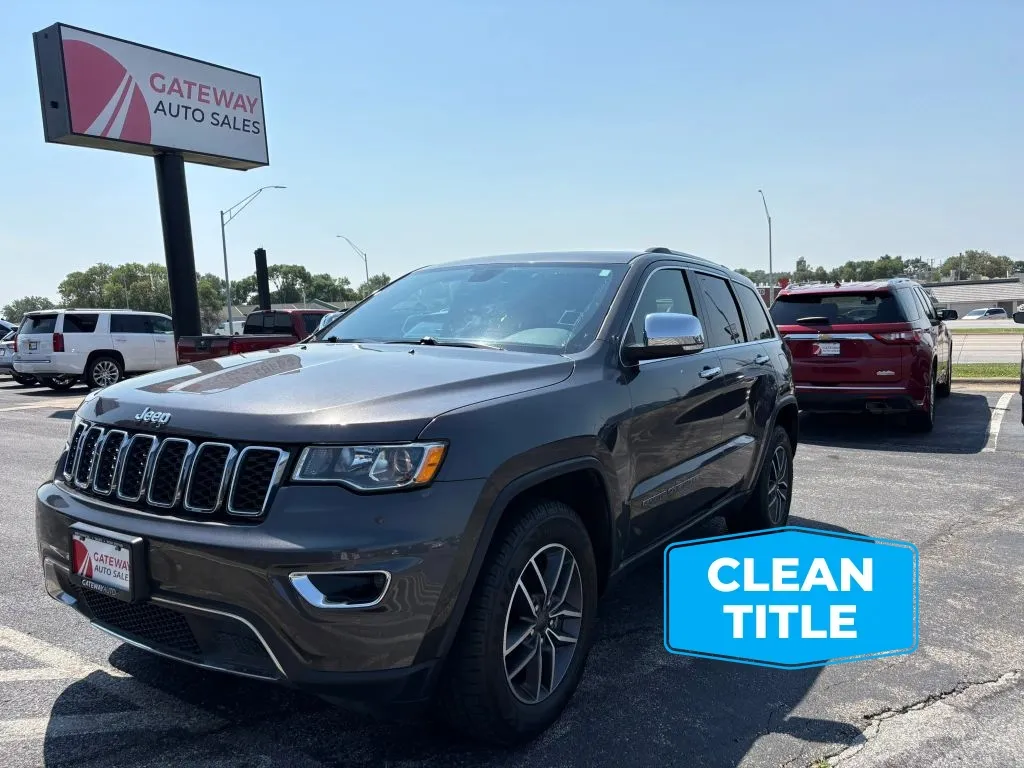
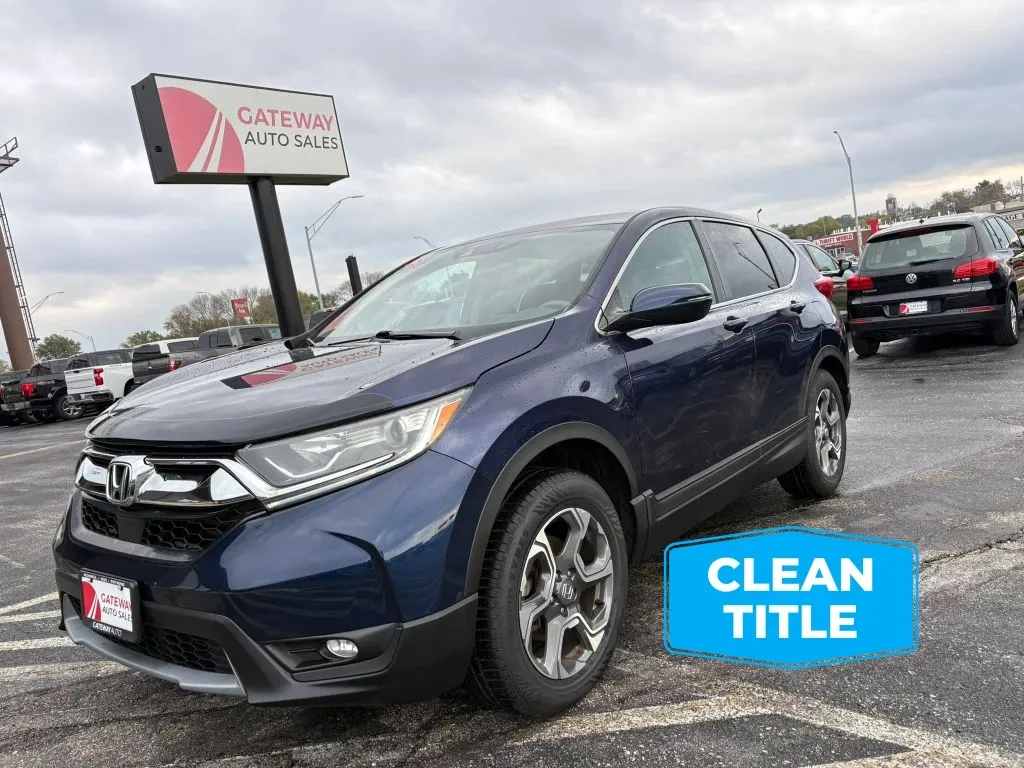
Gateway Auto Sales' current truck inventory illustrates why those details matter. Its listings include different makes, trims, mileage levels, cab configurations, and prices, so comparing only the badge on the grille wouldn't provide a meaningful pricing benchmark.
Once several comparable trucks have been identified, a shopper can establish a target price and a maximum amount they are willing to spend. That limit should account for the full transaction rather than only the number attached to the vehicle.
An offer is easier to evaluate when it is supported by comparable vehicles, condition, mileage, and any work the truck may need. That gives the dealer specific information to consider and keeps the conversation focused on the vehicle itself.
Inspect the Truck before Starting the Negotiation
A used truck's condition can change what it is worth. An inspection should therefore happen before serious price negotiation whenever possible.
Start with the exterior in good daylight. Look at the cab, bed, tailgate, bumpers, and lower body for dents, rust, scratches, uneven paint, or inconsistent panel gaps. Signs of previous work don't automatically make a truck a poor purchase, but buyers should understand what they are seeing.
Knowing how to recognize visible wear and mechanical warning signs can help buyers separate normal use from problems that may affect the truck's value or future repair needs.
Tires can reveal useful information as well. Check tread depth and look for uneven wear. During the test drive, pay attention to braking, steering, acceleration, transmission behavior, vibration, and unusual noises.
Truck-specific equipment deserves attention. A buyer who plans to tow should check the hitch, wiring connection, trailer brake controls, cameras, and related equipment when fitted. Four-wheel-drive systems should also be checked for proper operation.
Inside the cab, test the climate controls, windows, locks, infotainment system, cameras, seat adjustments, lights, and other powered features.
Then review the available documentation. A CARFAX or other vehicle history report can provide information about reported accidents, title history, mileage progression, previous ownership, and other recorded events. Service records can add useful context about maintenance and repairs.
Gateway Auto Sales vehicles are inspected and reconditioned in-house, with a focus on clean-title used vehicles and free vehicle history reports. If a rebuilt or salvage-title vehicle is ever offered, that status is clearly disclosed.
| Factor to Review | What to Compare | Why It Matters in Negotiation |
|---|---|---|
| Mileage | Similar trucks from the same model year | Large mileage differences can affect value |
| Trim and equipment | Engine, drivetrain, cab, bed, towing and technology features | Better-equipped configurations may carry different prices |
| Mechanical condition | Tires, brakes, drivetrain and needed repairs | Upcoming work can affect what a buyer is prepared to offer |
| Cosmetic condition | Paint, dents, interior wear and bed condition | Visible wear helps distinguish otherwise similar trucks |
| Vehicle history | Ownership, reported damage and title information | History can affect a buyer's assessment of value |
| Service history | Available maintenance and repair records | Records can provide context about previous care |
| Local listings | Comparable trucks around Omaha | Current listings help establish a realistic pricing range |
If a concern appears during the inspection, the buyer can ask whether it has already been addressed. When work is still needed, that information can become part of the price discussion.
Negotiate the Purchase Price and Total Cost Separately
One of the easiest ways for a buyer to lose track of a deal is to focus only on the monthly payment.
A lower payment doesn't necessarily mean a lower vehicle price. Extending the loan term, changing the down payment, or adjusting another part of the transaction can change the monthly figure without reducing what the buyer ultimately pays.
Start with the vehicle price. Once that number is understood, review taxes, title and registration charges, documentation or processing fees, financing costs, and any optional products.
The written breakdown matters because an advertised vehicle price isn't necessarily the complete amount due. Gateway Auto Sales' inventory disclosures, for example, state that listed prices may exclude items such as government taxes and fees, title and registration, finance charges, document preparation or processing fees, and applicable compliance charges.
A buyer can ask for an itemized out-the-door figure before deciding whether the deal works within the planned budget.
Financing should receive the same attention. Compare the annual percentage rate, loan term, down payment, monthly payment, and total amount financed. Reviewing those figures together can help buyers choose a payment structure that works for their household budget rather than focusing on the monthly amount alone.
Gateway Auto Sales works with a network of lenders and offers financing options for a range of credit situations. Buyers can review financing terms and estimated payments before moving forward with a purchase.
Optional protection products and accessories should be evaluated individually. Ask what each item costs and what it provides. Buyers can then decide whether it fits their needs instead of evaluating several products as a single added amount.
Keeping these figures separate makes comparison much easier. It also prevents an attractive payment from distracting from a vehicle price or loan structure that doesn't fit the buyer's original plan.
Keep the Trade-In Separate from the Truck Price
A trade-in adds another number to the transaction, so separating it from the truck negotiation can make the deal easier to understand.
Before visiting a dealership, shoppers can research the approximate value of their current vehicle. Mileage, condition, trim, equipment, maintenance history, and local demand can all influence an appraisal.
First establish the purchase price of the used truck. Then review the trade allowance as its own figure. Finally, look at financing and the remaining balance.
This approach lets the shopper answer several different questions. Is the truck price reasonable? Is the trade offer acceptable? Are the financing terms workable? Looking at each separately is clearer than judging the transaction from one monthly payment.
If money is still owed on the trade, obtain the current payoff amount. When the vehicle is worth less than its outstanding loan balance, that difference may need to be paid separately or incorporated into the new financing, subject to lender approval. That can raise the amount financed even if the negotiated truck price stays the same.
Gateway Auto Sales offers an online trade-value process that can help shoppers get a better idea of what their current vehicle may be worth before or during the buying process. Any available trade equity can then be considered as part of the next vehicle purchase.
The same principle applies when comparing a dealer trade with a private sale. A private seller may seek a different price than a dealership would offer as a trade allowance because the two transactions involve different costs, work, and risks.
Pricing should be tied to the individual vehicle and transaction rather than assuming that every dealer or private-party listing should fall at the same number.
Make a Reasonable Offer and Know when to Walk Away
Once the buyer understands the market, truck condition, purchase price, and other transaction costs, it is time to make an offer.
Before discussing numbers, preparing a few practical questions about the truck can help clarify its history, condition, maintenance, and any terms that may affect the purchase.
A straightforward negotiation doesn't need to feel adversarial. An offer supported by local comparisons, the truck's condition, and the buyer's budget gives both sides a clear starting point for the conversation.
For example, a shopper might explain that comparable trucks are listed within a particular range and that the vehicle being considered will soon need tires. That gives the dealer two concrete factors to consider.
The buyer should also listen to the dealer's explanation. A truck may have equipment, documented maintenance, recent reconditioning, or other characteristics that explain why its vehicle price differs from another listing.
Negotiation strategies should leave room for either side to say no. A dealer doesn't have to accept every offer, and a buyer doesn't have to purchase a truck that exceeds the planned budget.
Fixed rules about always offering a certain percentage or dollar amount below asking price don't account for differences between individual trucks. There is no universal "$3,000 rule" that determines what every used truck should sell for. The right offer depends on the vehicle, local market, asking price, condition, and the seller's willingness to negotiate.
If an agreement is reached, review the paperwork before signing. Confirm that the purchase price and other terms match what was discussed. If they don't, ask for clarification.
If the numbers don't fit the budget, important questions remain unanswered, or the truck simply isn't the right match, buyers can feel comfortable continuing their search until they find an option that better suits their needs.
Shop for a Used Truck with Gateway Auto Sales
Good preparation can make a used-truck negotiation much simpler. Research comparable pickups, inspect the vehicle, review its history, establish a realistic budget, and keep the purchase price, trade, financing, and optional products clear throughout the process.
Gateway Auto Sales offers used trucks alongside cars and SUVs at its Omaha sales location. Gateway Auto Sales offers a transparent, low-pressure buying process with inspected and reconditioned vehicles, financing options, trade-in support, and access to mechanical service and collision repair through the Gateway Auto family. That connected support can be useful for Omaha-area individuals and families who want a straightforward purchase and a convenient place to turn for vehicle care after the sale.
Omaha-area shoppers can browse the current truck inventory online, compare available vehicles and pricing, then arrange a test drive or discuss the numbers with the sales team.