Common Problems to Check on Used SUVs before You Buy
Common Problems to Check on Used SUVs before You Buy
A used SUV can give you passenger space, cargo room, winter capability, and everyday flexibility without the cost of buying new. Still, two SUVs with similar mileage and pricing can have very different maintenance histories and future repair needs. Knowing the common problems to check on used SUVs can help you separate normal wear from warning signs that deserve a closer look.
The inspection should cover the vehicle history, body, interior, engine, transmission, brakes, suspension, tires, electronics, and road behavior. Mileage matters, but it shouldn't be considered by itself. Service history, previous use, condition, and how the vehicle performs during a test drive can tell you much more about how well it has been cared for.
For Omaha drivers, local conditions add another reason to inspect carefully. Seasonal temperature changes, winter road treatment, potholes, and everyday commuting can all contribute to wear. A straightforward buying process also gives you room to ask questions, compare options in Omaha, and choose a vehicle that fits your family, budget, commute, and driving needs without unnecessary pressure.
Search the Vehicle History and Watch for Common Problems
Before turning the key, learn what you can about the SUV's past. A vehicle history report can provide information about reported accidents, title events, odometer readings, previous ownership, and registration history. Compare the report with the miles displayed on the odometer and the condition you see in person.
Don't assume that low mileage automatically means better condition. A well-maintained vehicle with 90,000 miles may be a better purchase than one with 60,000 miles and a poor service history. Look for maintenance records showing regular oil changes, brake work, tire replacement, fluid service, and other scheduled maintenance.
Use the VIN to search for an open car recall through the National Highway Traffic Safety Administration. Recall status is tied to the individual VIN, so checking the specific vehicle matters. If an open recall appears, find out whether a remedy is available and whether the repair has already been completed.

Then walk around the SUV slowly. Look at the body from several angles because reflections can make repaired areas easier to spot. Uneven panel gaps, mismatched paint, overspray, rust, dents, or cracks in lights and glass may deserve further investigation.
Pay close attention to the tires. Uneven tread can point to alignment trouble, suspension wear, incorrect tire pressure, or previous damage. Tires that are worn heavily on one edge may tell you something about the car that a freshly detailed body won't.
Open every door, the hood, and the rear liftgate. Check the cargo area and spare-tire well for moisture, stains, corrosion, or a musty odor. Those signs can indicate a roof, window, liftgate, or body-seam leak.
A practical first inspection should include:
-
Comparing the VIN on the vehicle with its paperwork and history report
-
Looking for accident repairs, rust, body damage, and uneven tire wear
-
Reviewing service records and asking about gaps in documented maintenance
-
Checking beneath the SUV for visible leaks, corrosion, or damaged components
-
Testing doors, locks, windows, lights, cameras, seats, and the liftgate
-
Confirming that dashboard warning lights illuminate at startup and then turn off normally
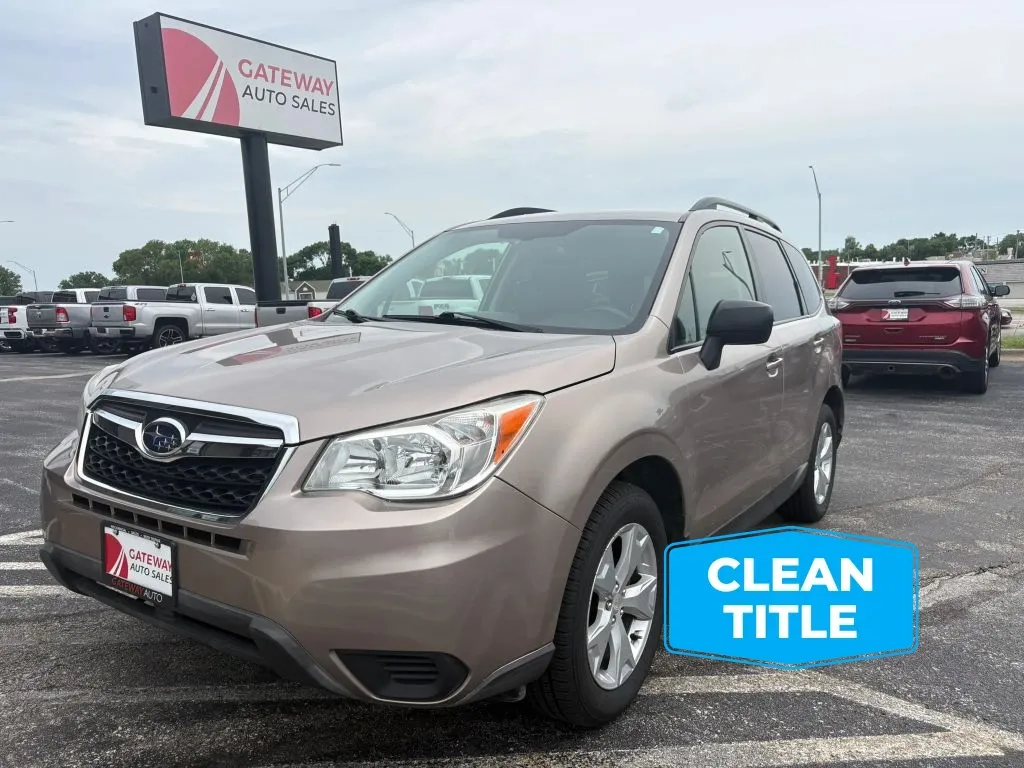
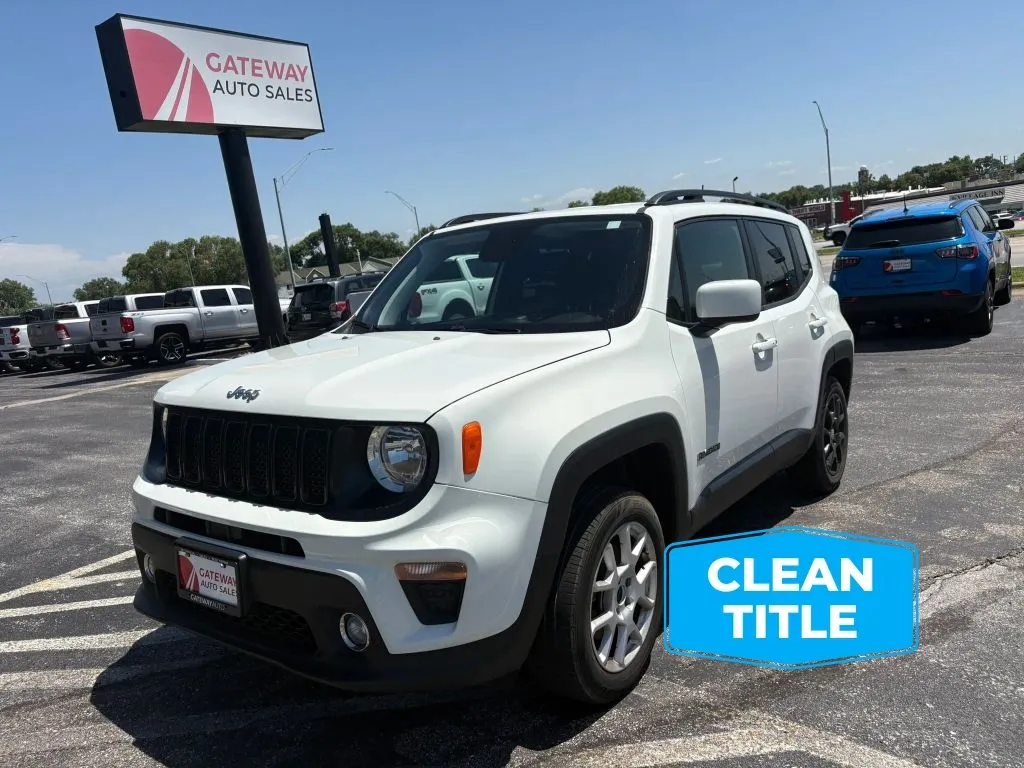
Gateway Auto Sales clearly prices its vehicles, provides a vehicle history report, and offers an inventory that includes SUVs, cars, trucks, vans, and other body styles. Shoppers can take time to compare vehicles, ask questions, and make a decision through a straightforward, low-pressure buying process.
Check the Engine, Cooling System, Battery, and Exhaust
The engine deserves attention before and after the test drive. If possible, inspect the SUV when the engine is cold. A seller who has already warmed the car may have a perfectly normal reason, but a cold start gives you a better opportunity to hear startup noises and see how easily the vehicle fires.
Look underneath before starting it. Fresh oil, coolant, transmission fluid, or other liquid on the ground can indicate leaks. Under the hood, examine accessible hoses, reservoirs, wiring, and the general condition of the engine compartment. A spotless engine bay isn't proof of mechanical health, and heavy grime doesn't automatically mean trouble. You are looking for evidence that supports the rest of the vehicle's condition.
Engine overheating can lead to expensive repairs, so watch the temperature gauge as the vehicle warms up. Coolant residue, a sweet odor, steam, low coolant levels, damaged hoses, or a temperature reading that continues to rise can signal cooling-system trouble.
Listen as the engine idles. A steady idle is preferable to repeated surging or stumbling. Ticking can have several causes, while loud knocking, grinding, or unfamiliar other sounds deserve professional diagnosis. During acceleration, the engine should respond smoothly without persistent hesitation or loss of power.
Inspect the battery terminals for corrosion and loose connections. Signs associated with possible battery failure include slow cranking, dim lights, inconsistent electronics, or repeated difficulty starting. The battery itself may be relatively easy to replace, but similar symptoms can also come from charging-system or wiring problems.
The exhaust system deserves attention too. A failing catalytic converter may contribute to a check-engine light, reduced performance, rattling from underneath, poor fuel economy, or an unusual sulfur-like smell. Those symptoms aren't proof that the converter is bad, but they justify further inspection before buying.
Dashboard lights matter. If the check-engine, oil-pressure, ABS, airbag, charging-system, or drivetrain light stays on after startup, ask why. Don't accept a warning light as normal without understanding the cause.
Test the Car's Transmission, Drivetrain, Brakes, and Suspension
The road test is one of the best opportunities to uncover mechanical problems that aren't obvious while an SUV is parked. Drive long enough to experience normal acceleration, braking, turning, and varied road surfaces. Keep the radio off for part of the trip so you can listen to the vehicle.
Automatic transmission shifts should generally feel predictable. Pay attention to delayed engagement after moving from Park into Drive or Reverse, slipping under acceleration, hard shifts, shuddering, or engine speed increasing without a matching increase in road speed. Any of these symptoms may justify a transmission inspection.
Four-wheel-drive and all-wheel-drive systems add components to the drivetrain, so check their operation when it is safe and appropriate to do so. Clicking while turning, vibration under acceleration, humming that changes with vehicle speed, or binding can indicate wear that needs further diagnosis.
Braking should feel controlled and consistent. Worn brake pads may produce squealing or grinding, but pedal vibration, pulling to one side, or excessive pedal travel can point to other brake concerns.
Suspension behavior is equally revealing. Worn shock absorbers, bushings, wheel bearings, steering components, or other parts may make the SUV wander, bounce repeatedly, knock over rough pavement, or feel unstable while turning.
| Area | What to Watch For | What It May Suggest |
|---|---|---|
| Transmission | Delayed engagement, slipping, harsh shifts, shuddering | Transmission wear, fluid issues, or another drivetrain problem |
| Brakes | Grinding, squealing, pulling, pedal vibration | Worn pads, rotor problems, or brake-system service needs |
| Steering | Wandering, vibration, excessive play | Alignment, tire, steering, or suspension issues |
| Suspension | Bouncing, clunking, uneven ride height | Worn shocks, struts, bushings, or related components |
| Tires | Uneven tread or excessive wear | Alignment problems, neglected rotations, or suspension wear |
| AWD/4WD | Binding, clicking, vibration, warning lights | Transfer-case, axle, bearing, or drivetrain concerns |
Some SUVs have spent years towing boats, campers, or utility trailers. Towing may have extra wear on the transmission, cooling system, brakes, rear suspension, wheel bearings, and hitch area, particularly if heavy loads were common. Ask how the SUV was previously used and inspect the hitch receiver for signs of frequent towing.
Inspect the Cabin, Electronics, Safety Features, and Signs of Water Damage
Mechanical condition often gets most of the attention when people are buying used, but electrical and interior problems can become expensive and frustrating too.
Start by testing every power window, lock, mirror, seat control, charging port, interior light, and climate-control setting. Try the infotainment system, Bluetooth connection, backup camera, parking sensors, heated seats, sunroof, and power liftgate if equipped. Don't assume a nonworking feature will be cheap to repair until you know what caused the failure.
Check the air conditioning on a warm setting and a cold setting. Weak airflow, incorrect temperature, strange odors, or noise from behind the dashboard may point to HVAC problems. Omaha summers and winters make working heating and air conditioning particularly useful, so test both rather than checking only what matches the weather that day.
Look closely at the seats and seatbelts. Excessive wear on a driver's seat compared with relatively low reported miles may warrant another look at the vehicle history. Make sure the seatbelts pull out, retract, and latch properly.
Water intrusion can affect carpets, wiring, electrical modules, upholstery, and interior air quality. Lift removable floor mats and check the carpet underneath. Examine the headliner near the windshield, roof rails, sunroof, and rear hatch. Staining or a mildew smell can be a warning sign even when the interior appears dry during the inspection.
Safety systems also need attention. Warning lights for airbags, ABS, traction control, lane-assistance equipment, or other systems shouldn't be ignored. A feature that isn't working properly may need calibration, a sensor replacement, wiring repair, or additional diagnosis.
Technology varies widely among cars and SUVs from different model years, so make a short list of the features you actually want before shopping. That makes it easier to compare vehicles based on daily usefulness instead of being distracted by equipment you may rarely use.
Passenger room isn't the only interior measurement worth checking. Fold the seats and see how easily you can load the items you regularly carry, since judging the SUV's usable cargo room can help determine whether a vehicle truly fits your family's errands, road trips, sports equipment, or work gear.
Use an Inspection to Decide Whether Mileage, Condition, and Price Make Sense Together
One of the most common questions when buying a pre-owned SUV is how many miles are too many. There isn't a single number that applies to every make, model, engine, or owner.
Mileage should be judged alongside age, maintenance, previous use, and current condition. Highway mileage can produce a different wear pattern than repeated short trips. An SUV that has been routinely serviced may continue to offer useful life at a mileage level that would make another poorly maintained vehicle a risky purchase.
The same principle applies to price. Don't base your decision entirely on the lowest advertised number. Consider what may need attention during the first year of ownership. Tires, brakes, battery replacement, fluid changes, suspension repairs, or overdue scheduled service can change the true cost of a seemingly inexpensive SUV.
Before agreeing on a purchase, work through four questions:
-
Does the vehicle history match what you see and hear during the inspection?
-
Does the SUV drive normally without unexplained warning signs, and does it fit your commute, family, cargo, and everyday driving needs?
-
Are upcoming repairs, maintenance, monthly costs, and available financing reasonable for your budget?
-
Does the asking price make sense for the mileage, equipment, condition, and local valuation?
A pre-purchase inspection from a qualified technician can give you added confidence when you want another opinion about an SUV's mechanical condition. It is especially useful when records are incomplete, the vehicle has higher mileage, or something during the test drive leaves you uncertain.
Gateway Auto Sales inspects and reconditions its inventory in-house and also provides access to mechanical service and collision support through the broader Gateway Auto operation. Transparent pricing, flexible financing, and a low-pressure buying experience help make the purchasing process easier to understand and manage.
Shop for Your Next SUV with Gateway Auto Sales
A careful inspection can make used-SUV shopping much less uncertain. Review the history report, inspect the body and cabin, check the engine and battery, test the transmission and brakes, and pay attention to suspension and drivetrain behavior on the road. When something doesn't add up, ask questions before making a decision.
Gateway Auto Sales serves Omaha-area shoppers with used SUVs and other vehicles, along with financing, trade-in options, and connected automotive service. The sales process is straightforward and no-pressure, with vehicle history information available to help shoppers make informed decisions.
Browse the current SUV inventory, compare options that fit your budget, commute, family needs, and driving habits, and take the time to inspect and test-drive the vehicles that stand out. If you need financing,
Gateway Auto Sales can also help you review available options, and its team can assist when you're looking for a particular type of vehicle. The right used SUV should give you a clear reason to feel comfortable with both the vehicle and the purchase.